
Board of Peace Excludes UNRWA from Gaza, Igniting Global Backlash
The Board of Peace has formally excluded UNRWA from Gaza operations, aligning with Israeli demands and triggering profound geopolitical and economic ripples across international markets.
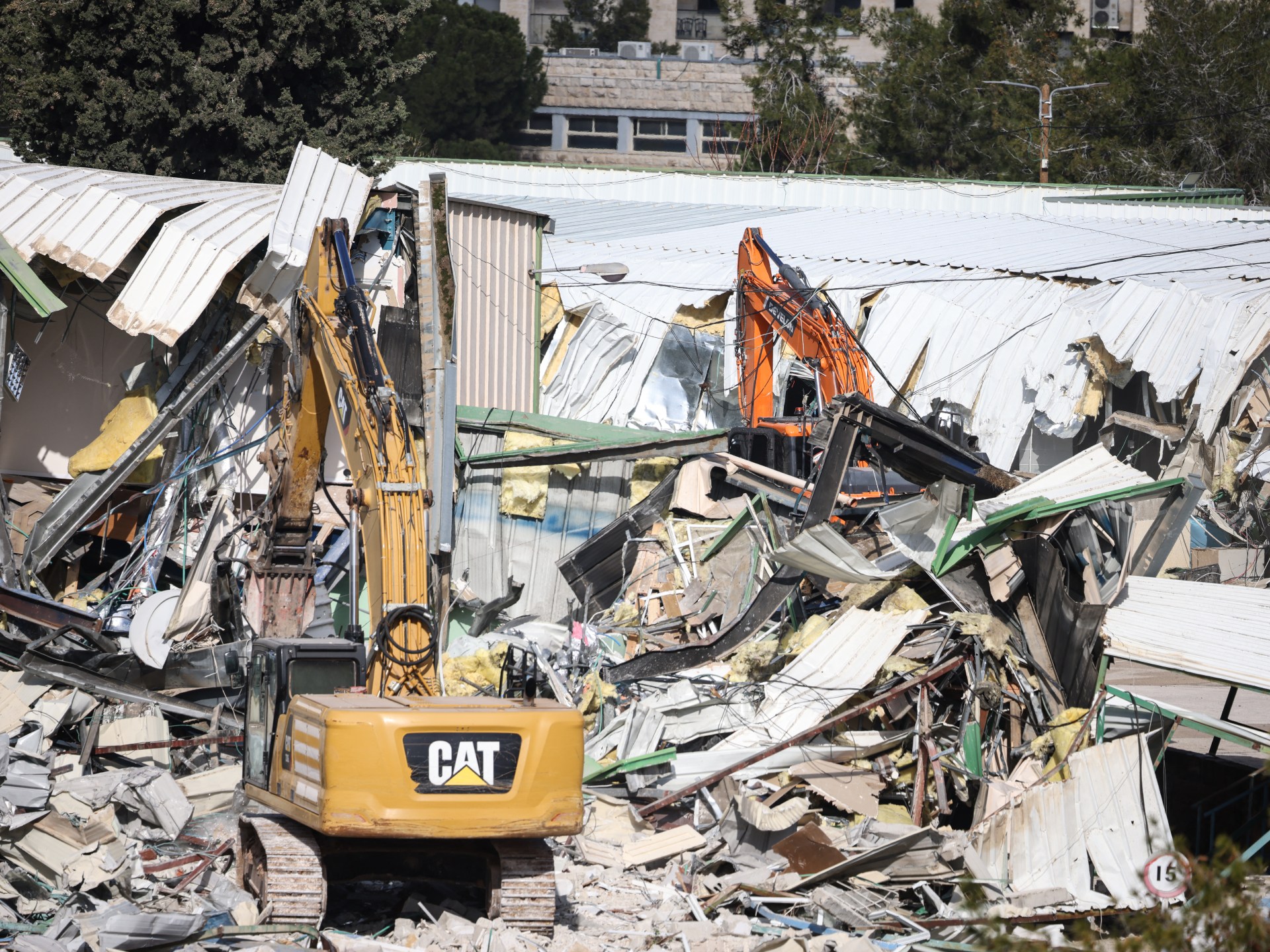
Geopolitical & Core Developments
The decision by the newly formed Board of Peace to formally exclude the United Nations Relief and Works Agency for Palestine Refugees in the Near East (UNRWA) from operations in the Gaza Strip marks a significant pivot in regional governance and international diplomacy. For decades, UNRWA has served as the primary operational backbone for humanitarian relief, education, and healthcare for millions of refugees in the besieged enclave. The board's endorsement of a framework that sidesteps the agency mirrors repeated and explicit calls by the Israeli government to dismantle or replace UNRWA's mandate, citing security concerns and alleged infiltration by militant elements—allegations that the agency and independent UN bodies have continuously investigated and contested.
This exclusion fundamentally alters the architecture of international intervention in the Middle East. By bypassing the UN's dedicated agency, the Board of Peace is establishing an alternative administrative paradigm that privileges aligned state actors and private contractors over established multilateral institutions. This move has immediately strained diplomatic channels, pitting Western and regional powers that back the new framework against traditional defenders of multilateral norms and international law, led by various United Nations agencies and global south coalitions.
Global Trade & Economic Ripples
While ostensibly a humanitarian and political governance decision, the sidelining of UNRWA carries profound implications for global trade, regional supply chains, and commodity markets. The Gaza Strip and its immediate maritime approaches sit at a crucial geopolitical crossroads in the Eastern Mediterranean. Protracted humanitarian instability, combined with systemic disruptions to local labor forces and commercial infrastructure, directly impacts investor confidence across the broader Levant region.
Commodity markets, particularly regional energy supplies, shipping insurance premiums, and agricultural logistics, remain acutely sensitive to the escalation of political tensions stemming from the exclusion of essential relief organizations. Shipping lines navigating the Suez Canal and the Eastern Mediterranean basin continue to factor geopolitical risk into operational costs. Any escalation of domestic unrest or cross-border friction resulting from a breakdown in humanitarian service delivery risks driving up maritime freight rates and destabilizing regional energy transit corridors, ultimately feeding inflationary pressures into global supply chains.
Related Intelligence: West Bank Escalation Deepens Humanitarian Crisis and Regional Economic Strain
International Reactions & Diplomatic Stances
The global community has responded with stark polarization. Officials from the United Nations have issued stern warnings that bypassing UNRWA threatens to collapse the remaining scaffolding of aid distribution, warning of catastrophic human costs. Conversely, Israeli leadership has welcomed the Board of Peace decision as a necessary step toward establishing security and transparent governance free from compromised bureaucratic structures.
Western capitals remain diplomatically divided. While certain allied nations express cautious optimism regarding the board's alternative administrative structures, European Union representatives and independent human rights monitors emphasize that no other entity possesses the logistical capacity to replace UNRWA's extensive institutional footprint overnight. Financial market analysts note that institutional investors are monitoring these diplomatic rifts closely, as prolonged friction within multilateral bodies increases regulatory uncertainty for international trade partnerships.
Strategic Outlook & Future Scenarios
Looking ahead, the trajectory of the Gaza Strip under the Board of Peace framework depends heavily on the successful implementation of alternative aid delivery mechanisms and the willingness of international donors to fund them. Should the transition falter, the resulting humanitarian vacuum could provoke widespread civil unrest, increasing the probability of renewed military escalation and further entrenching regional instability.
Upcoming international summits will likely serve as flashpoints for intense diplomatic showdowns over the future of UN mandates and sovereign governance standards. Sanctions monitoring groups and trade analysts will track whether bilateral trade agreements in the Middle East begin to explicitly incorporate security stipulations tied to the new board's administrative directives. Ultimately, the marginalization of established UN agencies sets a contentious precedent for global conflict resolution, signaling a potential shift away from universal multilateralism toward fragmented, ad hoc geopolitical coalitions.
Join Our Official WhatsApp Channel
Receive live commodity alerts, policy changes, and commercial intelligence directly on WhatsApp.