
Black Sea Drone Strike Sinks Vessel off Bulgarian Coast
A maritime drone strike has sunk a commercial vessel and damaged another off Bulgaria's Black Sea coast, escalating regional naval tensions and threatening international shipping lanes.
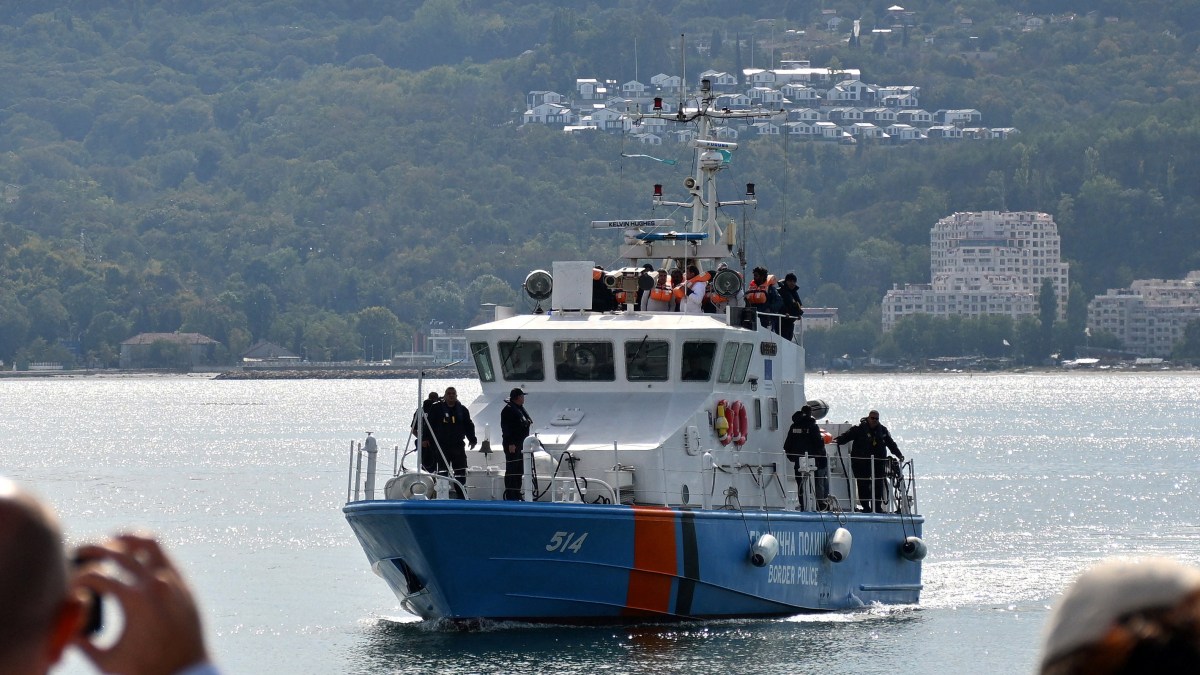
Geopolitical & Core Developments
A critical escalation occurred in the Black Sea after a drone attack struck commercial maritime traffic operating off the Bulgarian coastline, resulting in the sinking of one vessel and causing significant structural damage to another. Bulgarian Prime Minister confirmed the incident, verifying that the Ukrainian-owned cargo vessel Chelsea 3 was among the targeted assets. The strike represents a dramatic geographical widening of maritime warfare, breaching waters adjacent to a NATO member state and complicating an already volatile operational theater.
Since the collapse of formal safe-passage agreements in the Black Sea, commercial shipping has relied heavily on coastal routes hugging the territorial waters of Romania and Bulgaria to access the Bosporus. The targeting of merchant hulls in this corridor directly challenges the viability of alternative maritime transit routes established by regional states. Military analysts indicate that the deployment of unmanned surface or aerial systems this far west signals advanced surveillance integration and a willingness by hostile actors to disrupt maritime infrastructure well beyond the immediate combat zone of northern Ukrainian ports.
Global Trade & Economic Ripples
The direct strike on commercial tonnage off Bulgaria delivers an immediate shock to Black Sea mercantile logistics. The Black Sea remains an indispensable conduit for agricultural flows, including Ukrainian and Romanian wheat, corn, and sunflower oil, as well as critical mineral and fertilizer exports. An escalation that directly threatens merchant hulls operating outside the recognized high-risk northern perimeter will inevitably force maritime underwriters to re-evaluate underwriting criteria.
War risk insurance premiums, which had stabilized following the establishment of the coastal corridor, are expected to surge across the entire western Black Sea basin. Higher insurance surcharges directly translate into elevated freight rates, eroding the price competitiveness of regional commodities in global tender markets, particularly across North Africa and the Middle East. Furthermore, shipowners may demonstrate increased reluctance to charter vessels into the region, exacerbating existing bottlenecks in global bulk agricultural and fertilizer supply chains at a time of sensitive domestic procurement cycles worldwide.
Related Intelligence: Middle East Economies Face Historic Contraction Amid Widening Regional War
International Reactions & Diplomatic Stances
The attack has drawn swift condemnation from regional capitals and heightened security postures across the Black Sea littoral. The Bulgarian government announced an immediate review of its coastal surveillance and naval readiness protocols, consulting closely with NATO counterparts regarding the safety of sovereign maritime zones. Sofia emphasized that the strikes directly jeopardize freedom of navigation in international waters.
Mediterranean and Black Sea naval commands within the NATO alliance have initiated additional maritime reconnaissance flights to assess subsurface and surface drone hazards. Maritime governance bodies, including the International Maritime Organization (IMO), reiterated calls for all parties to respect neutral commercial shipping and uphold international law under the United Nations Convention on the Law of the Sea (UNCLOS). Meanwhile, trade associations representing global merchant mariners have expressed grave concern over the safety of civilian crews operating along critical merchant corridors.
Strategic Outlook & Future Scenarios
Moving forward, the Black Sea operational environment is poised for intensified friction. If commercial vessels within NATO littoral boundaries face sustained asymmetric threats, pressure will mount on the alliance to initiate coordinated naval demining operations or escorted convoys within coastal waters. However, such measures carry inherent risks of direct naval confrontation, testing the parameters of regional deterrence.
In the near term, shipping operators will likely alter navigation routes, keeping commercial traffic even tighter to sovereign territorial baselines, potentially resulting in harbor congestion near Constanta and Varna. Should commercial underwriters withdraw coverage entirely for specific vessel classes, export volumes could fall sharply, prompting emergency diplomatic interventions to secure alternative rail and riverine transit through the Danube. The incident underscores that the maritime battlespace remains fundamentally uncontained, carrying acute liabilities for global commerce.
Join Our Official WhatsApp Channel
Receive live commodity alerts, policy changes, and commercial intelligence directly on WhatsApp.