
Vatican Leadership Continuity Scrutinized Following Papal Surgical Procedure and Health Diagnosis
The Holy See has confirmed that the Pontiff is ambulating and recovering as projected following thoracic surgery, prompting international assessments of Vatican administrative stability and global diplomatic mediation.
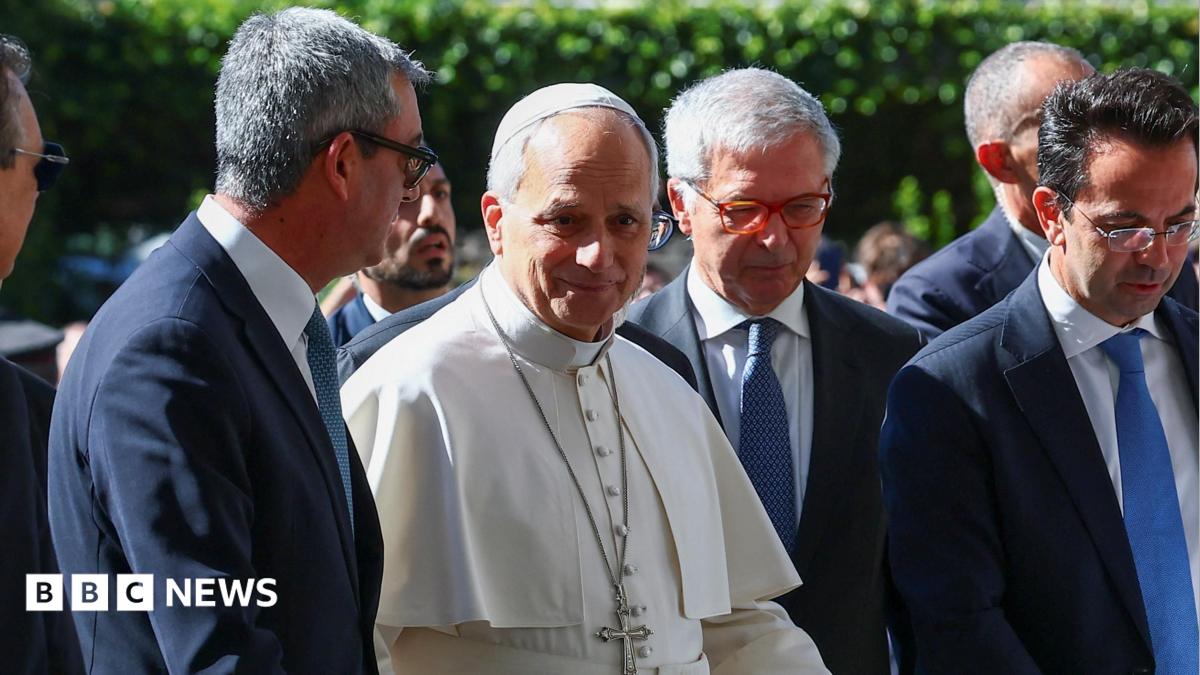
Geopolitical & Core Developments
The Holy See Press Office announced that the Pontiff is ambulating and recuperating in line with clinical projections following a 90-minute thoracic surgical procedure on Tuesday. Medical personnel disclosed that the intervention addressed an underlying lung pathology, initiating a structured convalescence period at Rome's Gemelli Hospital. Vatican authorities emphasized that executive decision-making channels remain functional through the Secretariat of State, headed by Cardinal Pietro Parolin, averting an institutional vacuum.
The health of the sovereign of Vatican City carries distinct geopolitical significance. As a recognized subject of international law, the Holy See maintains formal diplomatic ties with over 180 sovereign states and occupies permanent observer status at the United Nations. Under the current papacy, the Vatican has exercised strategic leverage in backchannel negotiations across complex international theaters, including humanitarian dialogues in Eastern Europe, diplomatic reconciliations in Latin America, and persistent outreach across the Middle East. The medical event has focused immediate attention on institutional continuity, delegation protocols, and the management of bilateral diplomatic portfolios.
[Global Trade](/news/yemen-war-scenarios-houthi-red-sea-trade-impact) & Economic Ripples
While the direct transmission channel between papal health and raw commodity pricing remains indirect, structural economic linkages exist through the institutional footprint of the Holy See and Roman Catholic philanthropic networks worldwide. The Vatican Bank, officially the Institute for the Works of Religion (IOR), oversees billions of euros in sovereign assets, ethical investment vehicles, and international transfers, serving as a benchmark for faith-based capital allocation.
Global asset managers monitoring ethical, social, and governance (ESG) criteria frequently align broad portfolio benchmarks with Vatican social encyclicals. Any transition or disruption within Holy See governance can influence policy shifts across sovereign Catholic charities and educational endowments, which represent substantial consumers of agricultural goods, commercial infrastructure, and institutional healthcare services worldwide. Furthermore, institutional continuity in Rome sustains logistical flows tied to religious tourism and hospitality sectors across Southern Europe, which generate tens of billions in annual aggregate revenues and maintain critical service-sector employment.
Related Intelligence: Yemen War at Crossroads as Escalation Threatens Global Trade Corridors
International Reactions & Diplomatic Stances
Official communiqués poured into the Secretariat of State from heads of state across the G7 and Global South, reflecting the pontiff's role as a moral and diplomatic mediator. European leaders reiterated support for ongoing Holy See humanitarian missions, noting that papal special envoys have played instrumental roles in negotiating prisoner exchanges and corridor access in contested zones.
The United Nations leadership emphasized the Holy See's unwavering participation in multilateral climate initiatives and international poverty alleviation agendas. Market analysts and political risk consultants noted that constitutional mechanisms governing the College of Cardinals and the Curia provide institutional resilience, ensuring that operational governance across the global apparatus continues without regulatory paralysis. Financial regulators in Rome and international monetary observers similarly highlighted that sovereign compliance and operational routines within the Holy See's financial intelligence authority remain undisturbed.
Strategic Outlook & Future Scenarios
In the medium term, the convalescence timeline will dictate the scheduling of sovereign bilateral visits and upcoming international summits. Diplomatic delegations scheduled for the coming quarter may be re-routed through senior Curial leadership, shifting near-term diplomatic posture from personal papal diplomacy to formalized bureaucratic engagements coordinated by the Secretariat of State.
Should the recovery encounter complications, diplomatic focus will inevitably gravitate toward succession dynamics within the College of Cardinals, with geopolitical factions closely evaluating prospective appointments. A conservative or reformist transition could alter the Holy See's external stances on international relations, migration policy, and relations with major global powers such as Beijing and Washington. For now, the administration demonstrates operational cohesion, maintaining steady oversight across sovereign administrative organs, international treaties, and humanitarian mediation frameworks.
Join Our Official WhatsApp Channel
Receive live commodity alerts, policy changes, and commercial intelligence directly on WhatsApp.