
Bilawal Slams PTI Strategy as Political Turmoil Threatens Khyber Pakhtunkhwa Governance
Pakistan Peoples Party Chairman Bilawal Bhutto-Zardari has condemned PTI tactics in Khyber Pakhtunkhwa as self-destructive, renewing an offer for political consensus to avert administrative collapse and severe economic instability.
The Core Development
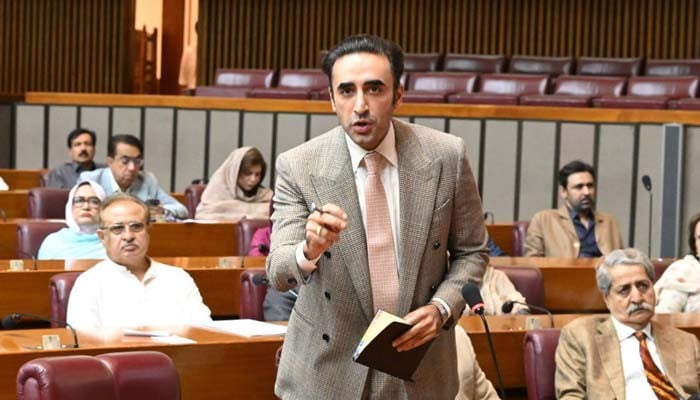
Pakistan Peoples Party (PPP) Chairman Bilawal Bhutto-Zardari delivered a pointed critique against Pakistan Tehreek-e-Insaf (PTI), accusing the party leadership of orchestrating a 'political suicide attack' on its own provincial administration in Khyber Pakhtunkhwa. Addressing senior party members and the press, Bhutto-Zardari emphasized that persistent agitation, direct confrontation with federal institutions, and administrative non-cooperation were dismantling provincial governance at a critical juncture.
The core of the conflict centers on Khyber Pakhtunkhwa's governance framework, where sustained political confrontations have disrupted legislative proceedings, stalled development allocations, and created institutional deadlocks between Peshawar and Islamabad. Reaffirming his party's position, the PPP chairman renewed a formal call for multi-party dialogue, stressing that constitutional processes must supersede disruptive confrontation. The timeline of escalating rhetoric comes as the federal government negotiates key structural benchmarks with multilateral lenders, demanding administrative stability across all federating units.
Commercial & Economic Implications
For Pakistan's retail and wholesale ecosystems, political volatility in Khyber Pakhtunkhwa carries immediate commercial risks. Khyber Pakhtunkhwa serves as a vital logistics artery, connecting central Punjab and southern port cities to northern consumer hubs and cross-border trade with Afghanistan. Persistent political instability and the threat of highway blockades or protest actions undermine supply chain reliability, directly inflating freight costs for consumer staples, building materials, and wholesale electronics.
Wholesale distribution networks in Peshawar, Swat, and Mardan operate on tightly leveraged inventory cycles. Transport delays and administrative uncertainty compel FMCG distributors and commodity wholesalers to maintain defensive, higher inventory buffers, tying up working capital amidst prevailing high borrowing rates. Furthermore, if provincial revenues falter due to legislative inertia, provincial development expenditures will face contraction, dampening aggregate demand across local retail sectors and compounding urban inflationary pressures.
Related Intelligence: Gaza City Strike Underscores Escalating Regional Instability and Market Risks
Stakeholder Perspectives & Market Reactions
Trade bodies across Khyber Pakhtunkhwa and the national commercial belt have expressed growing frustration with the prevailing political friction. Representatives from regional chambers of commerce have urged political actors to establish a charter of economy, noting that political grandstanding directly harms investor sentiment and cross-border logistics. Market participants note that frequent governance impasses disrupt municipal tax collections, licensing renewals, and regional industrial policy implementation.
Legal and policy analysts observe that the ongoing confrontation risks constitutional interventions or fiscal freezes, which would further alienate commercial enterprises operating within special economic zones. Political commentators note that while Bilawal Bhutto-Zardari's dialogue overture presents a pragmatic exit strategy, political polarization between the ruling coalition and PTI leaves little room for swift reconciliation, keeping market risk premiums elevated.
Forward Outlook & Key Watchpoints
The immediate trajectory will hinge on whether PTI leadership in Khyber Pakhtunkhwa engages with the proposed dialogue framework or intensifies public mobilization. Key watchpoints over the coming weeks include provincial cabinet announcements regarding trade corridor security, the progress of federal fiscal transfers to Khyber Pakhtunkhwa under the National Finance Commission framework, and the stability of major transport arteries. Should political hostility escalate into localized disruptions, commercial distributors and retail markets must prepare for higher transportation surcharges, erratic supply cycles, and dampened consumer spending across the northwestern corridor.
Join Our Official WhatsApp Channel
Receive live commodity alerts, policy changes, and commercial intelligence directly on WhatsApp.