
Australia Faces Ecological Disruption as Massive Bogong Moth Swarms Infiltrate Urban Centers
Massive influxes of Bogong moths across Australia's east coast have sparked urban disruption and renewed scientific scrutiny over shifting migratory patterns driven by environmental shifts.
Geopolitical & Core Developments
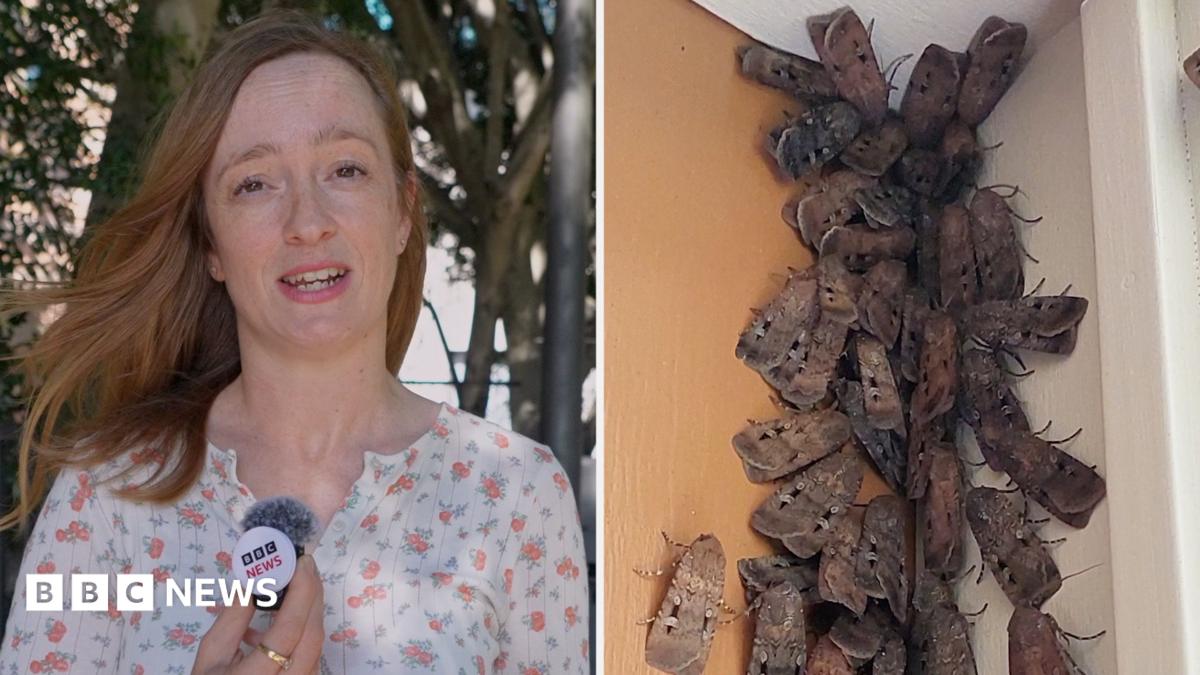
A sudden and dense migration of Bogong moths across Australia's eastern seaboard has captured national attention, sending millions of the native insects into major metropolitan areas including Sydney and Canberra. Residents have reported widespread infiltration of residential homes, commercial offices, and vehicles, transforming nightly urban landscapes. While the Bogong moth (Agrotis infusa) is indigenous to the Australian continent and historically undertakes an annual spring migration to escape the searing summer heat of the inland plains, the sheer density and timing of the current influx have alarmed both citizens and entomologists.
The phenomenon involves billions of moths traveling hundreds of kilometers from their breeding grounds in western New South Wales, Victoria, and southern Queensland to the cool, alpine caves of the Great Dividing Range. Historically, these migrations served as a vital ecological nexus, providing an essential high-protein food source for local predators, including the critically endangered mountain pygmy-possum. However, recent decades have recorded dramatic fluctuations in population sizes, linked directly to prolonged droughts, shifting agricultural practices, and rising regional temperatures across the inland breeding grounds. The unexpected arrival of these nocturnal travelers in brightly lit urban corridors underscores the complex intersections between urban development, light pollution, and disrupted wildlife migration corridors.
Global Trade & Economic Ripples
While the Bogong moth migration is primarily a domestic ecological event, it carries tangible economic repercussions for regional commerce, urban hospitality, and agricultural supply chains. In metropolitan centers like Sydney and Canberra, commercial districts have experienced localized disruptions. Retail businesses, restaurants, and hospitality venues featuring prominent exterior lighting report altered customer traffic patterns as patrons navigate dense clusters of insects. Furthermore, commercial building management teams have been forced to adjust external lighting protocols and HVAC filtration systems to mitigate the ingress of moths into corporate headquarters and public facilities.
On a broader scale, the fluctuations in Bogong moth populations serve as a critical bio-indicator for Australia's agricultural sector. As key pollinators and vital links in the alpine food web, their abundance or scarcity directly impacts regional ecosystem health, which underpins agricultural productivity in the Murray-Darling Basin. Supply chain analysts note that prolonged ecological stress in these natural systems can translate into downstream economic pressures for rural economies reliant on stable environmental conditions for livestock and crop management. International commodity markets closely monitor such environmental shifts as indicators of broader climatic volatility affecting the southern hemisphere's agricultural output.
Related Intelligence: OpenAI Ousters Reveal Critical Vulnerabilities in Artificial Intelligence Supply Chains
International Reactions & Diplomatic Stances
Environmental protection agencies, international wildlife conservation bodies, and academic institutions have closely monitored the Australian phenomenon, viewing it as a bellwether for wider ecological stress in Oceania. Representatives from the United Nations Environment Programme have repeatedly emphasized that migratory species globally face mounting pressures from habitat fragmentation and climate disruption. Although the Bogong moth is not globally traded or subject to cross-border diplomatic treaties in the manner of migratory marine species or transboundary avian wildlife, its plight has drawn commentary from international scientific consortia studying insect population collapses worldwide.
Domestically, Australian state and federal environment departments have issued public guidance urging citizens to turn off non-essential outdoor lighting to minimize urban entrapment and assist the moths in successfully reaching their alpine destinations. Scientific bodies have leveraged the high-visibility event to engage the public in citizen-science monitoring initiatives, utilizing crowdsourced data to map migration densities and assess the long-term viability of the species following years of severe population depletion.
Strategic Outlook & Future Scenarios
Looking ahead, the trajectory of the Bogong moth population remains intricately tied to Australia's broader climate resilience and land-management strategies. As urban sprawl continues to expand along the eastern seaboard, municipal planners face mounting pressure to incorporate wildlife-friendly infrastructure, including dark-sky lighting ordinances designed to prevent nocturnal migratory species from being disoriented by artificial urban glows.
Future environmental summits and national conservation forums are expected to address the integration of insect migration corridors into regional development frameworks. Failure to protect these natural pathways risks permanent declines in populations of dependent native fauna, potentially destabilizing alpine ecosystems. For policymakers and commercial stakeholders alike, the current moth influx serves as a stark reminder of the delicate balance governing natural ecosystems and the economic imperatives of proactive environmental stewardship.
Join Our Official WhatsApp Channel
Receive live commodity alerts, policy changes, and commercial intelligence directly on WhatsApp.