
US Execution Methods Reexamined Amid Botched Tennessee Procedure
An unprecedented botched execution in Tennessee has reignited fierce national and international debate over capital punishment methods across United States jurisdictions.
The Core Development
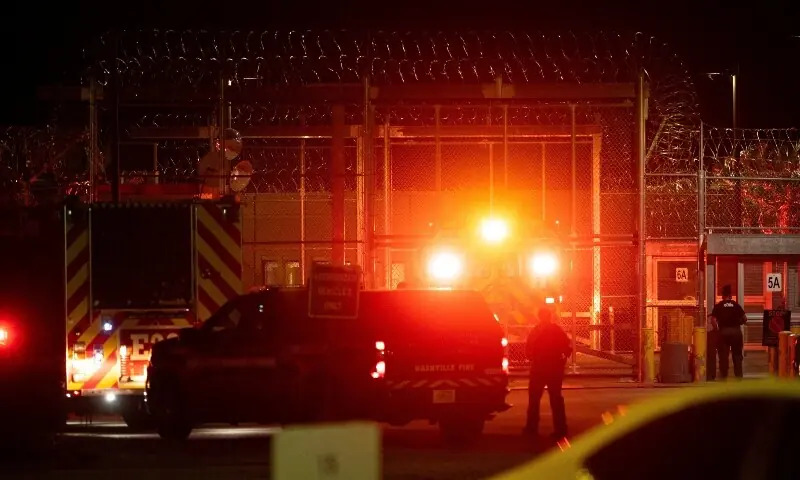
The debate over capital punishment in the United States has intensified following an unprecedented and deeply controversial botched execution of a female inmate in the state of Tennessee. This latest incident has thrust the complex and fragmented landscape of American capital punishment back into the global spotlight, highlighting the profound disparities in how individual states administer the death penalty. While federal executions remain historically rare, individual states retain broad autonomy over their judicial procedures, resulting in a patchwork of authorized execution protocols that vary dramatically across jurisdictions.
Since the death penalty was reinstated nationwide in 1976, lethal injection has remained by far the most common method of execution, authorized in 28 states as well as at the federal level. Statistical tracking reveals that of the 47 executions carried out across the United States in 2025, the vast majority—totaling 39 cases—relied on lethal injection cocktails. However, mounting pharmaceutical scrutiny and supply chain bottlenecks regarding traditional lethal drugs have driven several states to experiment with alternative, highly contentious protocols.
Among these alternatives is nitrogen hypoxia inhalation, a novel technique first deployed globally in the southern state of Alabama in 2024. Despite its implementation, this method has faced sweeping condemnation from human rights organizations and United Nations experts, who have publicly likened the procedure to cruel and unusual punishment amounting to torture. Other states continue to legally authorize alternative methods, including electrocution, lethal gas, hanging, and firing squads, depending on statutory frameworks and the availability of specific execution commodities.
Commercial & Economic Implications
While the human rights dimensions of capital punishment dominate public discourse, the industrial and commercial mechanisms supporting state executions involve complex supply chains and substantial public expenditure. Correctional facilities function as major institutional buyers, procuring specialized chemical compounds, medical-grade gases, and specialized hardware through opaque procurement channels. Pharmaceutical companies, both domestic and international, have increasingly restricted the sale of barbiturates and paralytic agents used in lethal injections, fearing reputational damage and secondary market boycotts.
For international observers and emerging trade partners such as Pakistan, these legal and operational shifts underline the vulnerabilities inherent in state-managed institutional supply chains. The rising costs of protracted litigation, specialized medical equipment procurement, and correctional facility upgrades impose a persistent financial burden on state treasuries. Although these developments do not directly dictate retail trade or consumer inflation indices in South Asia, they reflect broader Western regulatory shifts regarding chemical exports, medical ethics, and corporate social responsibility that indirectly influence global trade compliance and pharmaceutical governance.
Related Intelligence: Tennessee Execution Failure Sparks International Legal and Diplomatic Scrutiny
Stakeholder Perspectives & Market Reactions
Legal experts, civil liberties coalitions, and international bodies have expressed profound alarm over the trajectory of American capital punishment protocols. Opponents argue that the reliance on experimental techniques like nitrogen hypoxia violates constitutional protections against cruel and unusual punishment, signaling a regression in global human rights standards. Conversely, pro-death penalty advocates and state prosecutors maintain that alternative methods are necessary due to the targeted boycotts by pharmaceutical manufacturers that restrict access to traditional lethal injection drugs.
Public opinion across the United States remains deeply polarized, mirroring broader ideological divisions regarding criminal justice reform, state authority, and institutional accountability. Legal defense teams continue to file emergency appeals challenging the constitutionality of newly adopted protocols, ensuring that the intersection of technology, medical ethics, and penal law remains a contentious battleground in American jurisprudence.
Forward Outlook & Key Watchpoints
As legal challenges proceed through state and federal appellate courts, the immediate future of capital punishment in the United States hangs in a delicate balance. Key watchpoints include upcoming judicial rulings on the constitutionality of nitrogen hypoxia in Alabama and Tennessee, potential legislative efforts in other states to expand firing squad authorizations, and ongoing legal battles over transparency in execution drug procurement. The outcome of these proceedings will likely establish critical legal precedents, influencing penal policy and international diplomatic relations for years to come.
Join Our Official WhatsApp Channel
Receive live commodity alerts, policy changes, and commercial intelligence directly on WhatsApp.