
Iran Pressures Iraq Over Flight Bans Amid Escalating US Sanctions
Iran urges Iraq to remove aviation curbs driven by US sanctions, straining bilateral diplomacy and threatening regional transit routes.
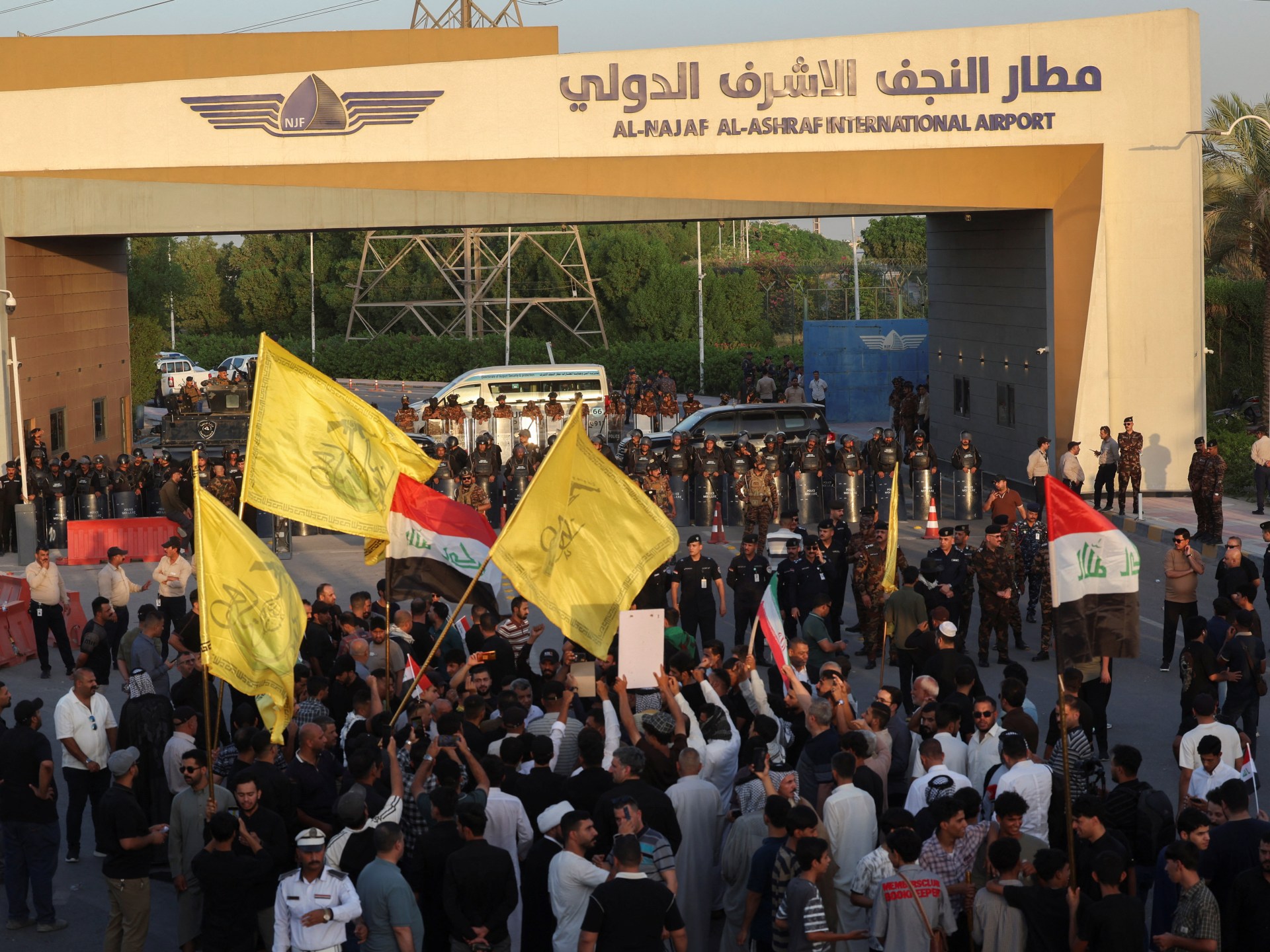
Geopolitical & Core Developments
Tehran has stepped up diplomatic pressure on Baghdad, urging the Iraqi government to immediately lift sweeping flight restrictions that were recently implemented under intense pressure from Washington. The diplomatic friction highlights the delicate balancing act facing the Iraqi administration as it attempts to maintain stable relations with its powerful eastern neighbor while simultaneously complying with sprawling American financial and trade sanctions. According to regional diplomatic sources, Iranian officials conveyed their displeasure through backchannel communications and high-level ministerial meetings, emphasizing that aviation curbs severely hamper cross-border mobility, commerce, and diplomatic engagement.
The genesis of these flight restrictions lies in the extraterritorial reach of United States sanctions targeting Iran's aviation and financial sectors. Washington has increasingly leaned on regional allies, including Iraq, to tighten compliance protocols regarding airspace usage, charter flights, and financial clearing mechanisms associated with sanctioned entities. For Baghdad, failure to adhere to these regulatory expectations risks exposing Iraqi financial institutions to secondary penalties, effectively locking them out of the global dollar-dominated financial architecture. Consequently, Iraqi aviation authorities found themselves compelled to restrict certain flight corridors and carrier operations, triggering immediate pushback from Tehran, which views the measures as an unfriendly capitulation to external economic warfare.
Global Trade & Economic Ripples
The dispute over Iraqi airspace carries significant implications for regional trade, cargo logistics, and the broader global commodity markets. Iran relies heavily on Iraqi transit routes to bypass unilateral Western embargoes, moving non-sanctioned goods, agricultural products, and industrial inputs across the border. Any disruption to aviation and transit networks threatens to snarl supply chains that service both domestic markets. Furthermore, business sentiment among joint ventures operating in the border regions has deteriorated sharply as logistics costs rise and delivery timelines stretch.
In the broader context of global energy and trade, the tensions underscore the vulnerability of Middle Eastern commercial corridors to geopolitical flashpoints. While direct oil exports have thus far managed to navigate existing naval and overland restrictions, secondary compliance measures create administrative friction that inflates shipping insurance premiums and operational overheads. International traders monitoring the situation note that sustained friction between Tehran and Baghdad could eventually spill over into broader energy infrastructure cooperation, particularly concerning electricity and natural gas supply agreements that are vital for maintaining stability in Iraq's power grid during peak demand seasons.
Related Intelligence: Tennessee Execution Failure Sparks International Legal and Diplomatic Scrutiny
International Reactions & Diplomatic Stances
International bodies and market analysts are closely monitoring the developments, viewing the flight ban controversy as a clear barometer of mounting economic coercion in the Middle East. Western financial monitors have praised Baghdad for tightening oversight, interpreting the move as necessary compliance with international anti-money laundering and counter-terrorism financing standards. Conversely, Iranian state media and allied regional commentators have condemned the restrictions as an infringement on Iraqi sovereignty, arguing that neighboring states should resist unlawful economic measures imposed by external powers.
Multilateral observers, including trade experts based in Geneva, point out that these tensions illustrate the persistent challenges of conducting commerce in sanction-heavy jurisdictions. Commercial lenders and trade finance institutions have adopted an increasingly cautious posture, demanding exhaustive compliance audits before underwriting transactions involving the Iraq-Iran corridor. This risk-averse environment continues to suppress foreign direct investment in secondary infrastructure projects across the region, dampening long-term economic growth prospects for both nations.
Strategic Outlook & Future Scenarios
Looking ahead, the trajectory of Iran-Iraq bilateral relations will likely depend on Baghdad's ability to navigate the competing demands of Washington and Tehran through strategic diplomacy. Several upcoming bilateral summits and trade committee meetings will serve as critical testing grounds for resolving the aviation dispute. If a compromise cannot be reached, Tehran may resort to retaliatory economic measures, potentially scaling back vital energy exports to Iraq or increasing regulatory hurdles for Iraqi businesses operating within its borders.
Conversely, a negotiated settlement involving technical workarounds for civilian aviation could temporarily defuse tensions, though the underlying structural pressures of US sanctions will remain unresolved. As long as Washington maintains its maximum pressure campaign against Iran, neighboring transit hubs like Iraq will continue to experience acute geopolitical tremors, forcing commercial operators to continuously adapt to shifting regulatory landscapes and heightened operational risks.
Join Our Official WhatsApp Channel
Receive live commodity alerts, policy changes, and commercial intelligence directly on WhatsApp.