
Pakistan Reaffirms Strategic Defense Commitments to Saudi Arabia Amid Regional Tensions
Islamabad has pledged full defense support to Saudi Arabia, reinforcing core security covenants and stabilizing bilateral energy linkages amid heightened regional tensions and shifting trilateral diplomatic frameworks.
Geopolitical & Core Developments
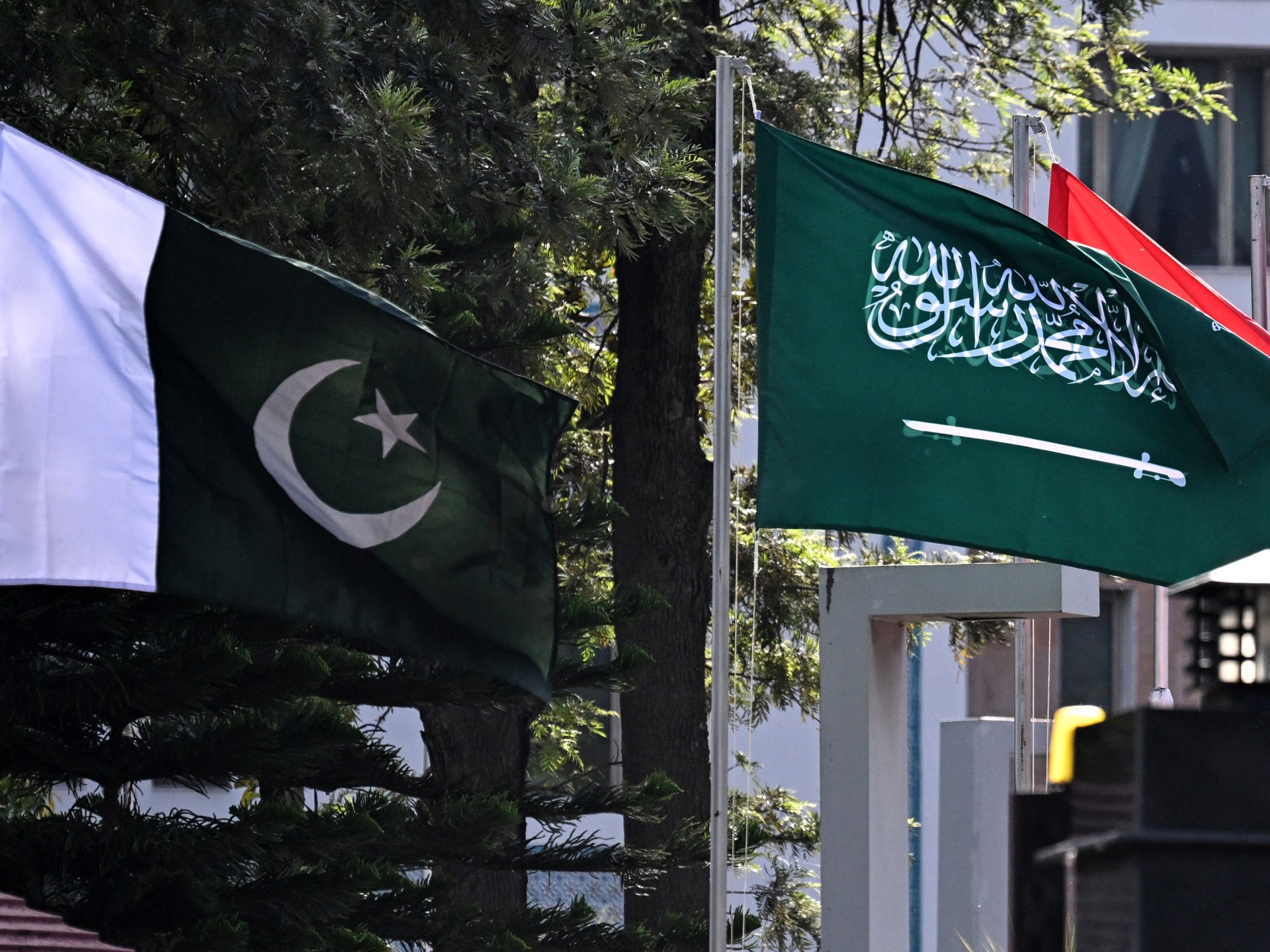
Islamabad has officially reaffirmed an unequivocal commitment to the territorial defense of the Kingdom of Saudi Arabia, seeking to dispel diplomatic ambiguities surrounding its operational posture in regional security engagements. The high-level assurance emerged following bilateral strategic consultations in Riyadh, where civil and military leadership addressed lingering questions over the alignment of Pakistan and Turkiye with Saudi security imperatives amid persistent asymmetric threats from Yemen's Houthi movement. While Pakistan previously maintained a cautious non-interventionist doctrine—exemplified by its 2015 parliamentary vote declining expeditionary deployment in the Saudi-led coalition in Yemen—the current geopolitical landscape has spurred a recalibration. Islamabad's contemporary defense doctrine increasingly frames the protection of the Two Holy Mosques and Saudi territorial sovereignty as a foundational national priority. This alignment is underscored by enhanced intelligence-sharing protocols, joint military training exercises, and interoperability agreements formalized under comprehensive bilateral defense frameworks. The renewed pledge arrives as regional powers navigate fragmented alliances, recalibrating defense partnerships to counter ballistic missile proliferation and maritime interdictions across the Arabian Peninsula.
Global Trade & Economic Ripples
The strategic consolidation between Islamabad and Riyadh carries profound implications for international trade corridors and energy market stability. Saudi Arabia remains a cornerstone supplier of crude petroleum, while the Red Sea and Gulf of Aden represent vital arteries for global hydrocarbon transit and containerized cargo. Renewed defensive guarantees offer critical reassurance to sovereign risk underwriters and international maritime operators, who have contended with sharp escalations in war-risk insurance premiums following sustained Red Sea maritime incidents. Beyond maritime transit, the economic nexus between both nations functions as a stabilization mechanism for South Asian financial liquidity. Saudi financial commitments, encompassing multi-billion-dollar foreign exchange deposits in the State Bank of Pakistan and deferred oil payment facilities, are fundamentally tethered to mutual security guarantees. Heightened defense integration reinforces investor sentiment across Middle Eastern energy infrastructure, reducing the risk premium factored into Brent crude pricing and mitigating supply-chain bottlenecks for essential agricultural inputs, including urea, sulfur, and refined petrochemicals shipped through western Arabian ports.
Related Intelligence: US Russian Oil Sanctions Threaten South Asian Energy Dynamics and Trade
International Reactions & Diplomatic Stances
Diplomatic observers and regional stakeholders have monitored Islamabad's affirmations with close scrutiny. In Riyadh, the Ministry of Defense welcomed the declaration as a validation of long-standing fraternal ties, emphasizing collective deterrence against non-state actors targeting critical civilian infrastructure. Ankara, maintaining its own expanding defense-industrial agreements with both Riyadh and Islamabad, has struck a measured diplomatic balance, focusing on regional de-escalation while expanding aerospace and technology transfers across the Gulf. Western security analysts, alongside counterparts within the United States Central Command, view Pakistan's explicit reaffirmation as a stabilizing counterweight to regional volatility, albeit one that requires delicate navigation regarding Pakistan's shared border with the Islamic Republic of Iran. Tehran has largely reserved public comment, though regional analysts note that Iranian diplomats remain vigilant against any prospective multilateral coalition expanding conventional troop footprints along the southern littoral.
Strategic Outlook & Future Scenarios
The trajectory of this defense alignment points toward deeper institutionalization rather than ad-hoc bilateral assurances. In the coming quarters, defense analysts anticipate formalized trilateral defense coordination platforms involving Saudi Arabia, Pakistan, and Turkiye, aimed at counter-unmanned aerial system technology and joint air-defense modernization. However, Islamabad will face ongoing diplomatic tests to balance its operational commitments with its regional non-alignment doctrine, particularly in averting escalation along its western borders while honoring core security compacts with Gulf partners. Should asymmetric strikes against commercial shipping or Saudi infrastructure escalate, the operational mechanisms of this defense pledge will be tested, determining whether Islamabad's support remains restricted to advisory, intelligence, and logistical domains or expands into active defensive deployments to secure critical infrastructure across the Arabian Peninsula.
Join Our Official WhatsApp Channel
Receive live commodity alerts, policy changes, and commercial intelligence directly on WhatsApp.