
Syria Demands Black Sea Inquiry as Maritime Risks Intensify
Damascus demands an independent international inquiry into a Black Sea vessel sinking, raising urgent questions over aborted rescue operations and escalating risks for regional commodity shipping corridors.
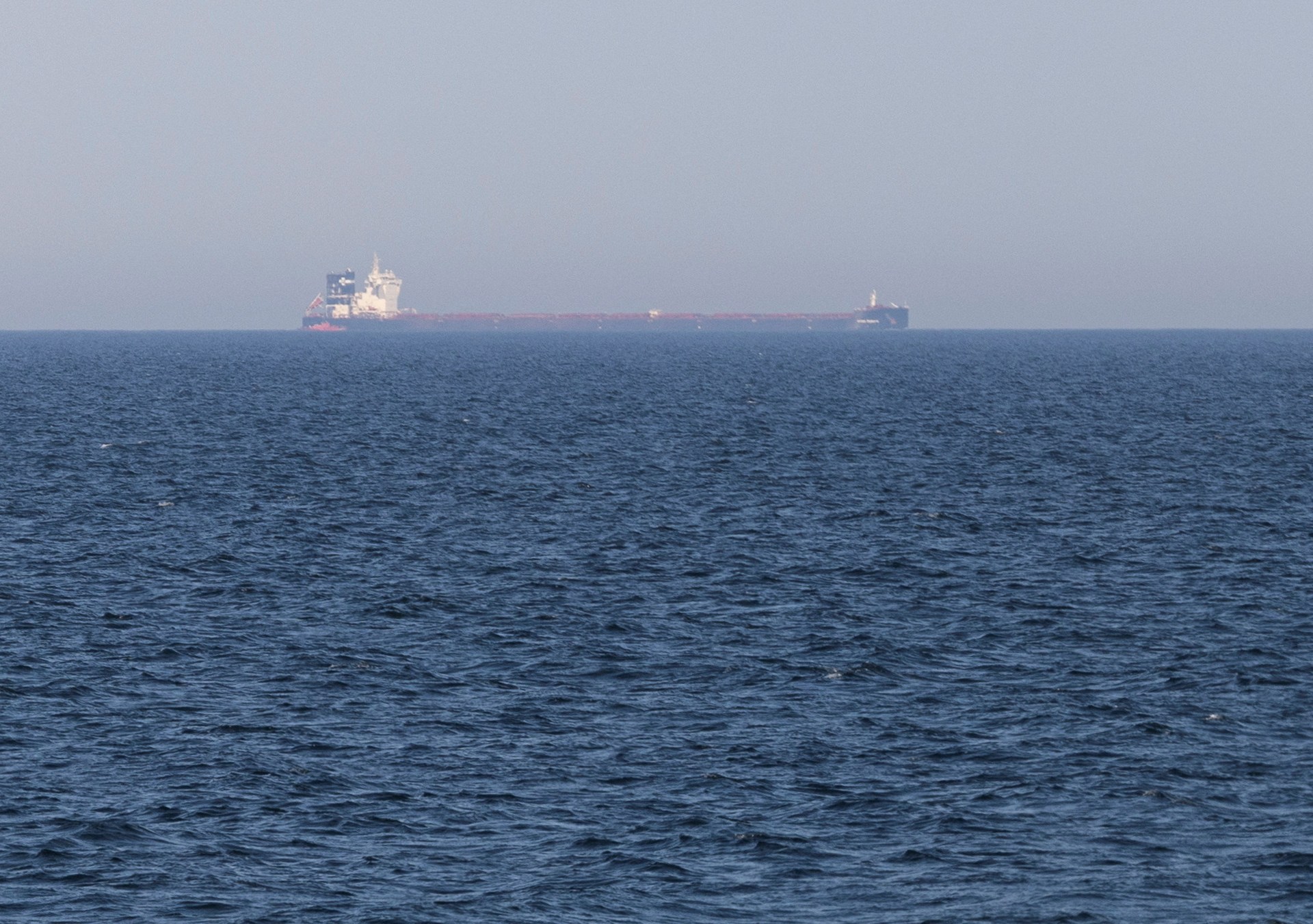
Geopolitical & Core Developments
Syrian authorities have formally appealed for an independent international investigation into the recent sinking of a merchant vessel in the contested waters of the Black Sea. The incident, which has triggered profound diplomatic friction, centers on the unexplained disappearance of a cargo ship and the subsequent abandonment of search and rescue protocols. According to statements released by Syrian officials, international maritime agencies and regional coastal states called off life-saving operations prematurely, leaving the fate of ten missing sailors unresolved and prompting deep suspicion regarding operational transparency.
The Black Sea has increasingly transformed into a high-stakes geopolitical theater since the escalation of the Russia-Ukraine conflict. Strategic chokepoints, naval blockades, and the widespread deployment of maritime mines have rendered these waters exceptionally hazardous for commercial navigation. The latest tragedy highlights the acute dangers faced by international merchant fleets operating in zones of overlapping military jurisdiction and contested sovereignty. State actors and maritime watchdogs are now under mounting pressure to clarify the precise chain of events leading up to the vessel's distress signals and its ultimate submersion, as well as the decision-making matrix that led to the termination of emergency response efforts.
Global Trade & Economic Ripples
The sinking carries immediate and severe implications for global supply chains, international commodity pricing, and maritime insurance markets. The Black Sea corridor serves as a critical artery for the transit of vital bulk commodities, including agricultural products, industrial metals, and energy derivatives connecting Eastern Europe and the Middle East to global markets. Persistent security incidents of this nature invariably translate into skyrocketing war-risk insurance premiums for shipowners and charterers operating vessels in the region.
Insurance underwriters have steadily increased risk loadings for Black Sea routes, directly inflating freight rates and shipping logistics costs. These elevated transport expenses exert upward pressure on international commodity prices, exacerbating inflationary trends across importing economies. Furthermore, disruptions to commercial shipping schedules threaten to destabilize supply chain reliability, forcing logistics operators to seek alternative, often lengthier transit routes. The unwillingness or inability of regional authorities to secure maritime lanes and guarantee rapid search-and-rescue protocols undermines the predictability essential for international trade, threatening both commercial viability and the safety of civilian maritime personnel.
Related Intelligence: Russian Transport Strikes Threaten Ukrainian Supply Chains and Global Grain Corridors
International Reactions & Diplomatic Stances
The official demand from Damascus for an impartial inquiry has elicited a complex mosaic of responses from international bodies and regional capitals. Maritime organizations and labor unions representing global seafarers have voiced grave concern over the safety standards and emergency response protocols applied in contested waters, echoing calls for rigorous accountability. Meanwhile, major maritime powers have exercised caution, balancing diplomatic sensitivities regarding Black Sea security architectures with the imperative of upholding international maritime law.
Multilateral bodies, including the International Maritime Organization, face renewed scrutiny to establish more robust oversight and enforcement mechanisms for search and rescue operations in zones affected by geopolitical conflict. Market analysts suggest that failure to address these systemic vulnerabilities could lead to a de facto blockade of critical commercial lanes by commercial reluctance rather than military decree, as shipowners increasingly refuse to expose crews to unacceptable operational risks.
Strategic Outlook & Future Scenarios
Looking ahead, the fallout from the Black Sea vessel sinking is expected to drive significant shifts in maritime security policy and diplomatic maneuvering. Upcoming international shipping summits and trade forums will likely feature emergency agenda items addressing the protection of neutral merchant vessels and the enforcement of international rescue obligations in conflict zones. Failure to establish transparent protocols for handling maritime emergencies risks triggering further retaliatory diplomatic measures and heightened commercial friction.
As geopolitical polarization deepens, the Black Sea remains a volatile frontier where commercial interests continuously collide with strategic military maneuvers. Without enforceable multilateral agreements guaranteeing safe passage and mandatory search-and-rescue commitments, global commodity markets must brace for persistent volatility, structurally higher freight costs, and the constant threat of localized maritime disruptions escalating into broader international crises.
Join Our Official WhatsApp Channel
Receive live commodity alerts, policy changes, and commercial intelligence directly on WhatsApp.