
Yemen Clashes Intensify as Houthis Pressure Saudi Coalition Along Border
Escalating frontline clashes in Yemen indicate renewed Houthi efforts to raise the conflict's strategic cost for Saudi Arabia, threatening critical Red Sea maritime lanes and regional energy infrastructure stability.
Geopolitical & Core Developments
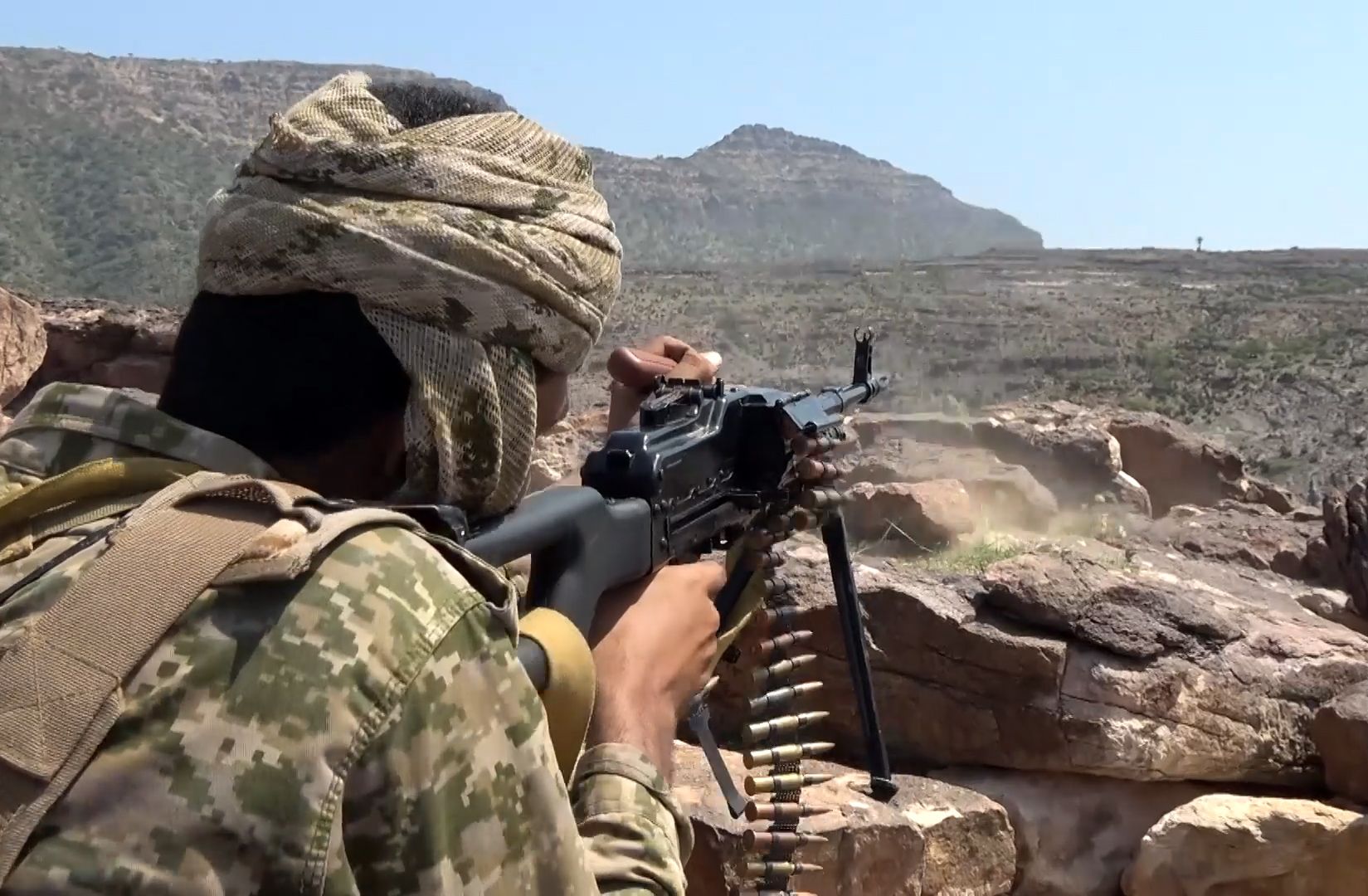
The protracted conflict in Yemen has entered a volatile phase as Houthi combatants intensify operations across major strategic frontlines, aiming to substantially raise the operational and political costs of continued engagement for Saudi Arabia. Ground fighting has flared in key governorates, accompanied by an increased tempo of cross-border drone incursions and artillery barrages targeting coalition-backed positions along the northern frontier.
Military analysts observe that the Houthi leadership is leveraging its expanded arsenal of asymmetric capabilities to test the resolve of the Saudi-led coalition. By pressing frontline engagements in oil-rich regions such as Marib and the strategic approaches to the Red Sea coast, Houthi commanders seek to dictate the parameters of any impending bilateral engagement. Riyadh, which has sought a diplomatic exit to secure its southern border and prioritize domestic economic transformation programs under Vision 2030, finds its de-escalation strategy strained by the resurgence of aggressive battlefield maneuvers.
Global Trade & Economic Ripples
The escalation carries direct implications for international maritime trade and commodity markets. Yemen's proximity to the Bab al-Mandeb Strait—a vital transit chokepoint through which millions of barrels of crude oil, refined petroleum products, and dry-bulk commodities pass daily—renders regional security critical to global logistics.
Energy markets have responded with heightened sensitivity. While crude benchmarks have experienced broader macro volatility, renewed threats to Gulf infrastructure introduce an immediate geopolitical risk premium. Commercial maritime operators have registered mounting concerns over war-risk insurance premiums for vessels transiting the southern Red Sea and Gulf of Aden. Further military spillover could force commercial container and tanker fleets to evaluate alternative, cost-prohibitive transit routes, adding lead times to supply chains connecting Asia, the Middle East, and Europe.
Related Intelligence: US-Iran Standstill Tests Global Energy Corridors and Diplomatic Restraint
International Reactions & Diplomatic Stances
The United Nations Special Envoy for Yemen has repeatedly urged restraint, warning that renewed hostilities jeopardize delicate backchannel discussions and undermine humanitarian access across war-affected provinces. Multilateral bodies have expressed alarm over the humanitarian fallout, noting that renewed fighting disrupts vital grain distribution and medical aid delivery.
Western allies, including the United States and European Union member states, have reiterated their commitments to Saudi Arabia's territorial defense while cautioning against broader regional spillover. In diplomatic briefings, international partners emphasize that a permanent political settlement remains the only viable path to ensure sustained maritime security. Meanwhile, regional actors, notably Oman, continue mediation initiatives to preserve the framework of previous truces, though progress remains vulnerable to battlefield shifts.
Strategic Outlook & Future Scenarios
Looking ahead, the conflict appears suspended between tactical deterrence and broader escalation. In the base-case scenario, Houthi forces will likely sustain localized, high-intensity pressure to extract maximal concessions regarding revenue sharing from hydrocarbon resources, the lifting of port restrictions, and civil servant salary disbursements.
A secondary, higher-risk scenario involves a miscalculation: a successful strike against critical energy terminals or shipping assets could provoke direct coalition airstrikes on urban command centers, unraveling months of backchannel diplomacy. Key upcoming multilateral forums and diplomatic engagements in the Gulf will provide indicators on whether mediation can arrest the current operational momentum before regional supply chains face systemic disruptions.
Join Our Official WhatsApp Channel
Receive live commodity alerts, policy changes, and commercial intelligence directly on WhatsApp.