
Xi and Trump Trade Summit Belies Persistent US Deficits
As high-stakes summits between Xi Jinping and Donald Trump unfold, an analysis of trade data reveals that aggressive tariffs failed to reduce US deficits, while China fortified its export surplus.
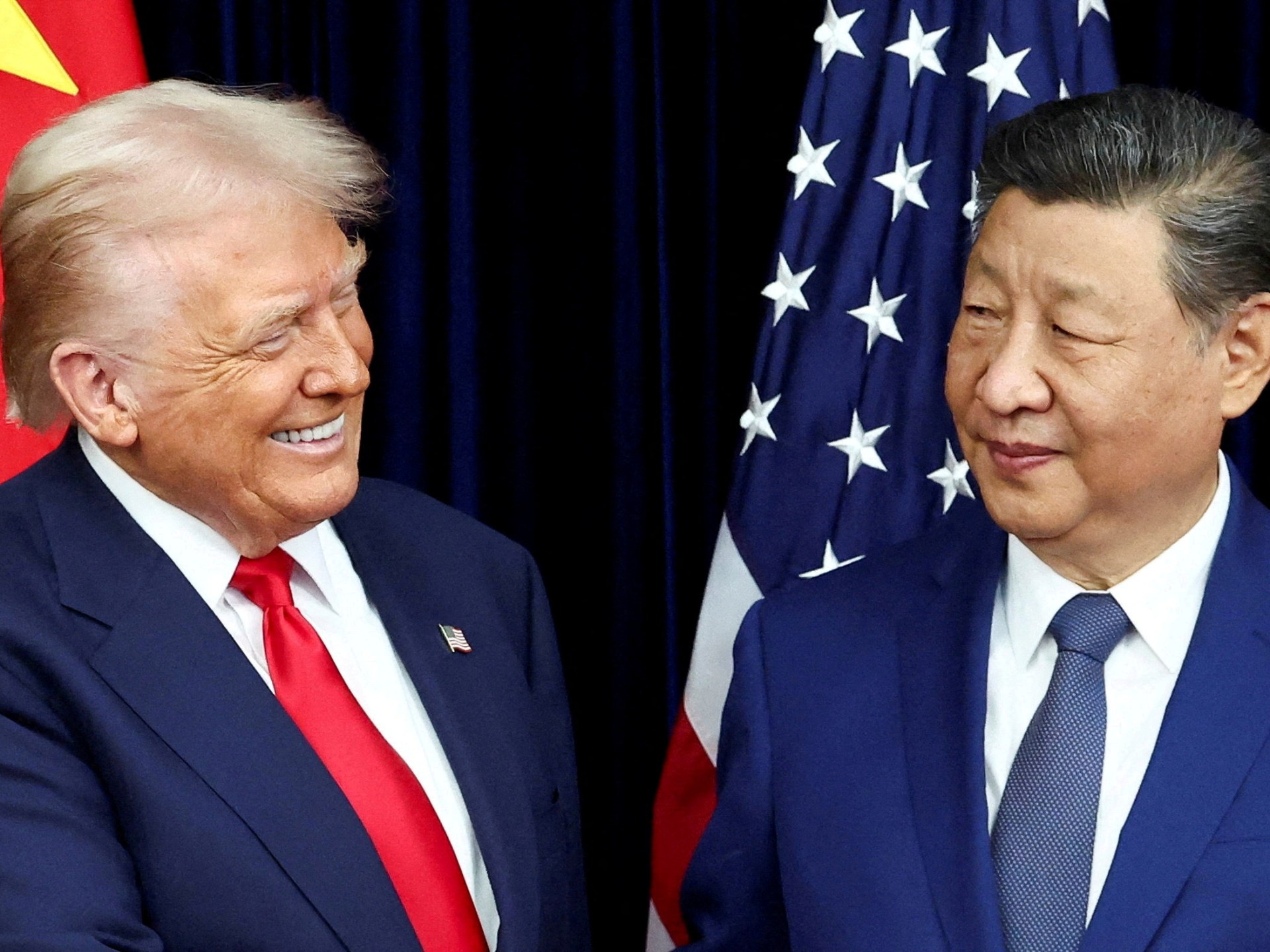
Geopolitical & Core Developments
The central pillar of Donald Trump's economic statecraft has long been his aggressive confrontation of Beijing's trade practices, a strategy built on sweeping tariffs and relentless pressure. However, as high-level diplomatic engagements between US President Donald Trump and Chinese President Xi Jinping resume, a critical examination of economic indicators reveals a stark reality: tariff walls have failed to slash the United States' chronic trade deficits. Since the inception of the trade conflict, geopolitical tensions have reshaped bilateral relations, turning traditional economic diplomacy into a zero-sum game of strategic containment. State actors on both sides have dug in, utilizing export controls, technological restrictions, and diplomatic leverage to assert dominance. While high-level summits provide a veneer of negotiation, the underlying diplomatic framework remains intensely adversarial, driven by domestic political imperatives in Washington and long-term industrial planning in Beijing.
[Global Trade](/news/trump-xi-summit-geopolitical-friction-and-global-trade-stakes) & Economic Ripples
The reverberations of the protracted US-China trade war extend far beyond bilateral ledgers, fundamentally altering global commodity markets, supply chains, and shipping lanes. While Washington sought to decouple key supply chains and reshore manufacturing, multinational corporations responded by routing goods through third-party nations in Southeast Asia and Mexico, largely preserving cost structures while frustrating US deficit reduction goals. Meanwhile, China demonstrated remarkable resilience, recording a robust trade surplus by pivoting its export engine toward emerging markets in the Global South, Europe, and Latin America. Global energy markets and industrial metals experienced heightened volatility as tariffs disrupted traditional shipping routes and altered pricing benchmarks for crude oil, liquefied natural gas, and critical minerals essential for advanced manufacturing and the green energy transition.
Related Intelligence: Severe El Nino Threatens Global Supply Chains and Half a Million Lives
International Reactions & Diplomatic Stances
Multilateral institutions and international financial bodies have repeatedly warned against the systemic risks posed by prolonged trade fragmentation. The International Monetary Fund and the World Trade Organization have cautioned that escalating protectionism threatens global GDP growth and investment flows. Major economies, caught in the crossfire of the world's two largest superpowers, have adopted hedging strategies, seeking to maintain commercial ties with Beijing while securing security partnerships with Washington. Market analysts and trade economists point out that the structural imbalances driving the trade deficit are deeply rooted in domestic US savings rates and the global reserve currency status of the US dollar, rather than bilateral tariff rates alone. Consequently, official statements from European and Asian capitals emphasize the urgent need for multilateral dialogue and adherence to rules-based international trade frameworks.
Strategic Outlook & Future Scenarios
Looking ahead, the trajectory of US-China economic relations points toward managed strategic competition rather than comprehensive detente. Upcoming diplomatic summits and ministerial meetings are unlikely to resolve fundamental disputes over intellectual property, industrial subsidies, and technological supremacy. Instead, both superpowers are expected to intensify targeted sanctions, export controls, and industrial policy initiatives aimed at dominating future technologies such as artificial intelligence, semiconductors, and green energy infrastructure. For global corporations and commodity traders, this heralds an era of persistent regulatory uncertainty, requiring diversified supply networks and heightened resilience against geopolitical shocks.
Join Our Official WhatsApp Channel
Receive live commodity alerts, policy changes, and commercial intelligence directly on WhatsApp.