
World Oldest Shipwreck Discovered off Turkish Coast Reshapes Maritime Trade History
Archaeologists off Turkey's Mediterranean coast have discovered a 4,700-year-old Early Bronze Age shipwreck, recalibrating the historical timeline of international maritime trade networks and ancient raw material supply chains.
Geopolitical & Core Developments
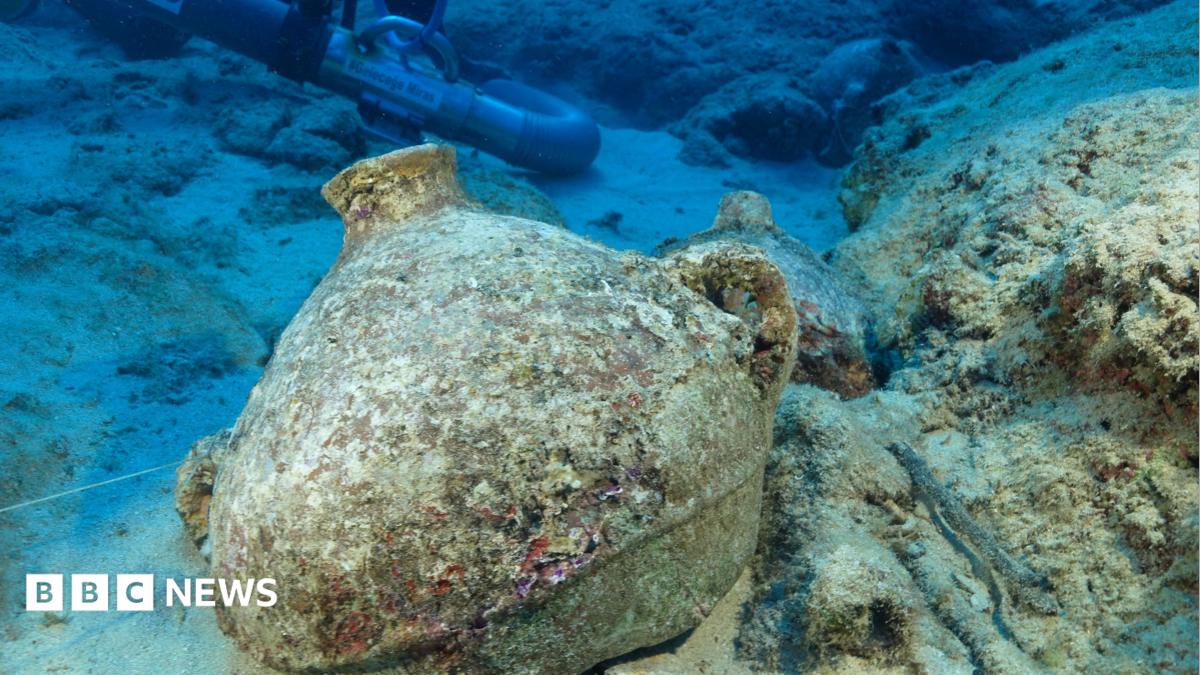
In a landmark development for international maritime archaeology, researchers operating off the southern coast of Turkey have confirmed the discovery of what is now recognized as the world's oldest known shipwreck. Dated to approximately 2,700 BCE, the vessel originated during the Early Bronze Age, placing its final voyage nearly 4,700 years in the past. The discovery surpasses the famous Uluburun wreck, previously considered one of the primary historical anchors for Bronze Age trade, by more than a millennium.
The operation, conducted under the auspices of Turkish academic institutions and cultural heritage authorities, utilized advanced subsea acoustic mapping and remote operating vehicles. Strategic analysis of the site reveals an organized seafaring initiative navigating the complex littoral corridors between Anatolia, the Levant, and the Aegean archipelago. The geographical placement along the southern Anatolian shelf highlights Turkey's enduring position at the nexus of continental trade routes, carrying profound implications for regional cultural diplomacy and the historical continuity of sovereign maritime corridors in the Eastern Mediterranean.
Global Trade & Economic Ripples
While the discovery stems from deep antiquity, the economic ramifications of this vessel's cargo offer critical lessons for contemporary trade analysis. Preliminary acoustic and diver surveys indicate the ship was transporting substantial industrial raw materials, including processed metals and storage ceramics destined for regional manufacturing centers. This serves as tangible confirmation that multinational commodity supply chains, commercial specialization, and cross-border maritime logistics were functional thousands of years before modern globalization.
In contemporary terms, the find exerts direct economic momentum on Turkey's high-value maritime tourism and blue economy sectors. Subsea archaeology initiatives attract significant multilateral investment, public-private research partnerships, and sovereign cultural grants. Furthermore, the identification of historically documented commercial lanes reinforces the long-term strategic utility of Eastern Mediterranean maritime transport corridors, which continue to host trillions of dollars in commercial container shipping and energy flows through the Suez Canal and Turkish Straits.
Related Intelligence: West Bank Escalation Deepens Middle East Instability and Trade Risks
International Reactions & Diplomatic Stances
Multilateral bodies and sovereign entities have responded swiftly to the confirmation of the site. UNESCO officials praised the Turkish excavation teams for employing non-invasive technologies that conform to the 2001 Convention on the Protection of the Underwater Cultural Heritage. Multilateral heritage analysts emphasized that such discoveries require unified international legal protections to deter illicit salvage operations and maritime looting, which remain persistent challenges across contested waters.
Diplomatically, Ankara has framed the discovery as a testament to its stewardship of Mediterranean heritage. Turkey's Ministry of Culture and Tourism issued statements highlighting the country's central role in documenting the origins of global seafaring. Neighboring Mediterranean administrations and European archaeological institutes have signaled interest in forming joint scientific consortia, creating an avenue for scientific diplomacy in a region frequently marked by jurisdictional and maritime boundary disputes.
Strategic Outlook & Future Scenarios
Looking ahead, the recovery and stabilization phases will dictate the trajectory of international Mediterranean studies for decades. Academic consortia are expected to present peer-reviewed isotopic and metallurgic analyses at upcoming European and Middle Eastern archaeological summits over the next 18 months, pinpointing the exact geographic extraction points of the ship's cargo.
From a policy perspective, the site will likely catalyze updated regional regulatory frameworks governing Mediterranean underwater exploration. Heightened acoustic surveillance and seabed documentation can serve dual purposes: safeguarding ancient cultural assets while strengthening sovereign maritime surveillance capabilities along vital shipping corridors. As Turkey consolidates its legal and scientific management of the site, this ancient commercial vessel will continue to bridge ancient mercantile history with modern maritime sovereignty.
Join Our Official WhatsApp Channel
Receive live commodity alerts, policy changes, and commercial intelligence directly on WhatsApp.