
Sudanese Army Advances on Strategic Supply Lines as North Kordofan Stronghold Falls
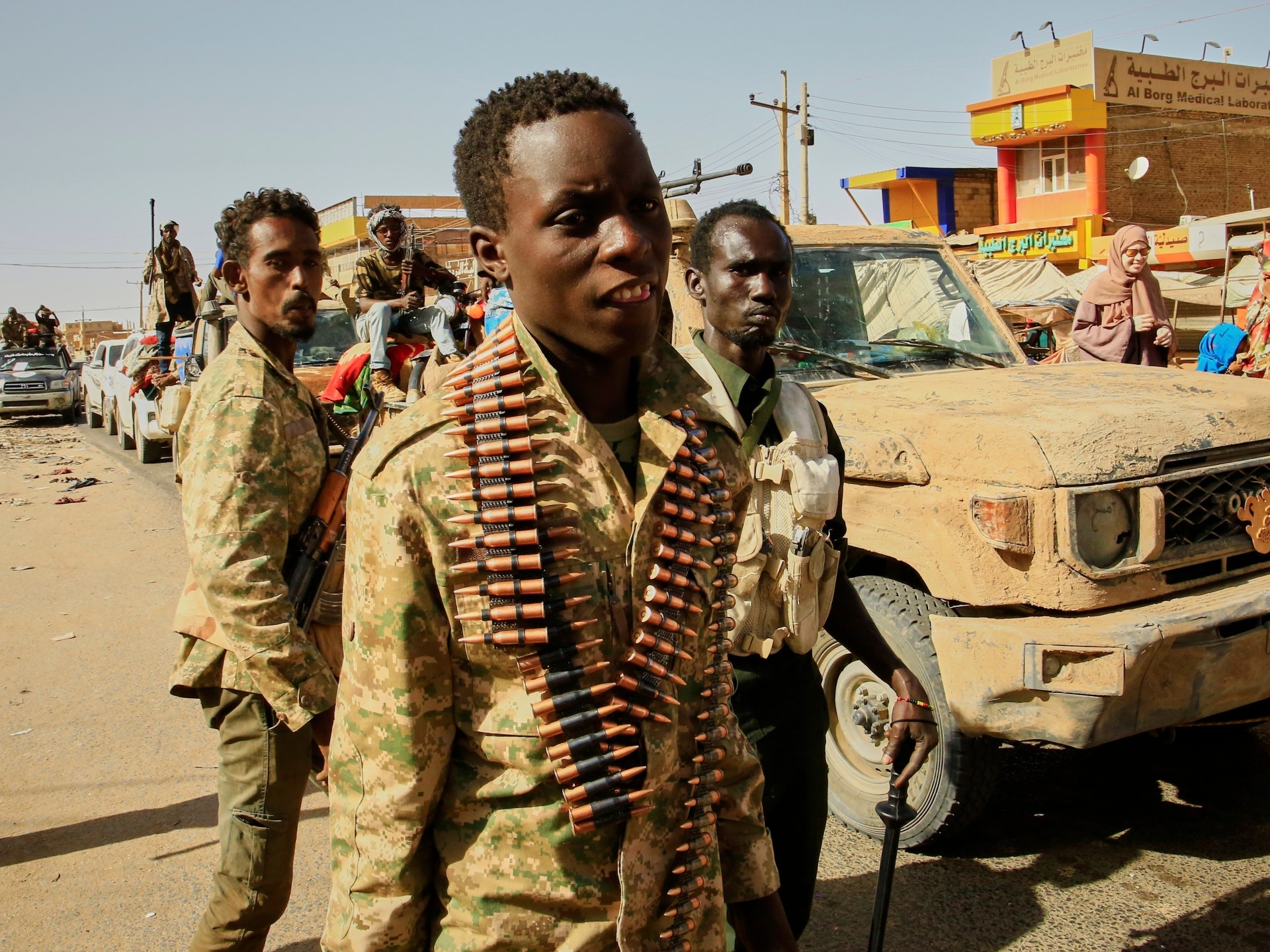
The Sudanese Armed Forces have seized the strategic stronghold of al-Mazroub in North Kordofan, executing a critical maneuver to sever Rapid Support Forces supply lines and alter the military balance in the protracted civil war.
Geopolitical & Core Developments
The Sudanese Armed Forces (SAF) have successfully captured the strategic town of al-Mazroub in North Kordofan, marking a significant tactical shift in the grinding civil war against the paramilitary Rapid Support Forces (RSF). Military officials confirmed that the offensive, executed following intensive clashes, is designed to systematically dismantle the logistical architecture that has sustained RSF operations across western Sudan. Al-Mazroub serves as a vital junction linking Darfur supply routes to central command theaters. By securing this territory, the SAF aims to isolate RSF units operating in the Kordofan basin, impeding their ability to reinforce frontlines around Khartoum and Gezira state. The capture underscores a methodical evolution in military strategy under General Abdel Fattah al-Burhan, transitioning from defensive urban positioning to calculated territorial reclamation. However, the urban and rural landscapes of North Kordofan remain volatile, with analysts warning of inevitable retaliatory counter-offensives by RSF commanders striving to reopen their fractured supply corridors.
Global Trade & Economic Ripples
While the conflict in Sudan often remains overshadowed by other global crises, the intensification of hostilities in central and western agricultural belts carries profound implications for international commodity markets and regional trade networks. Sudan sits at a geopolitical crossroads linking the Horn of Africa, the Sahel, and the Red Sea corridor—a vital maritime artery handling a significant share of global shipping between Europe and Asia. The disruption of internal transport arteries, including roads through Kordofan and Darfur, has paralyzed domestic commerce, halted agricultural exports such as gum arabic and sesame, and severely strained regional food security. International trade houses monitoring the East African agricultural sector note that sustained military operations further depress local currency valuations, fueling hyperinflation and inflating transaction costs for cross-border merchants. Furthermore, persistent instability in Sudan deters foreign direct investment in critical infrastructure, stalling long-term mining and energy exploration projects that had previously attracted interest from Gulf and international investors seeking diversification.
Related Intelligence: West Bank Water Access Restrictions Raise Geopolitical and Agrarian Concerns
International Reactions & Diplomatic Stances
The international community has met the latest military developments with cautious alarm, as humanitarian agencies reiterate warnings over the escalating civilian toll. The United Nations and regional bodies, including the Intergovernmental Authority on Development (IGAD), have repeatedly urged an immediate cessation of hostilities, emphasizing that military escalation offers no sustainable resolution to the crisis. Diplomatic efforts led by various multilateral coalitions have thus far struggled to establish a durable ceasefire, largely due to entrenched positions held by both the SAF leadership and the RSF political wing. Market analysts and geopolitical risk consultants observing the Horn of Africa note that external state actors covertly fueling the conflict continue to undermine multilateral peace initiatives. Western governments have reiterated calls for unhindered humanitarian access, warning that ongoing offensives in vital transit zones risk plunging millions deeper into acute famine and precipitating a broader refugee crisis across neighboring Chad, South Sudan, and Egypt.
Strategic Outlook & Future Scenarios
Looking ahead, the trajectory of the Sudanese conflict hinges heavily on the SAF's capacity to consolidate control over newly acquired territories in North Kordofan and maintain pressure on RSF logistics. If the military successfully secures the wider Kordofan corridor, it could fundamentally degrade the RSF's operational reach, potentially forcing a recalibration at the negotiating table. Conversely, a protracted insurgency characterized by asymmetric warfare and urban guerrilla tactics threatens to entrench a protracted partition-style stalemate. Upcoming diplomatic summits and international donor conferences will face mounting pressure to address the financial and logistical lifelines sustaining the warring factions. Without coordinated international sanctions targeting illicit supply networks and financial conduits, the domestic power struggle risks devolving into a permanent security vacuum, permanently altering the geopolitical and economic architecture of Northeast Africa.
Join Our Official WhatsApp Channel
Receive live commodity alerts, policy changes, and commercial intelligence directly on WhatsApp.