
West Bank Settler Violence Surges During Olive Harvest Amid European Outcry
Escalating settler attacks targeting Palestinian farmers and European diplomats during the olive harvest season have sparked international condemnation and renewed pressure on Brussels for policy enforcement.
Geopolitical & Core Developments
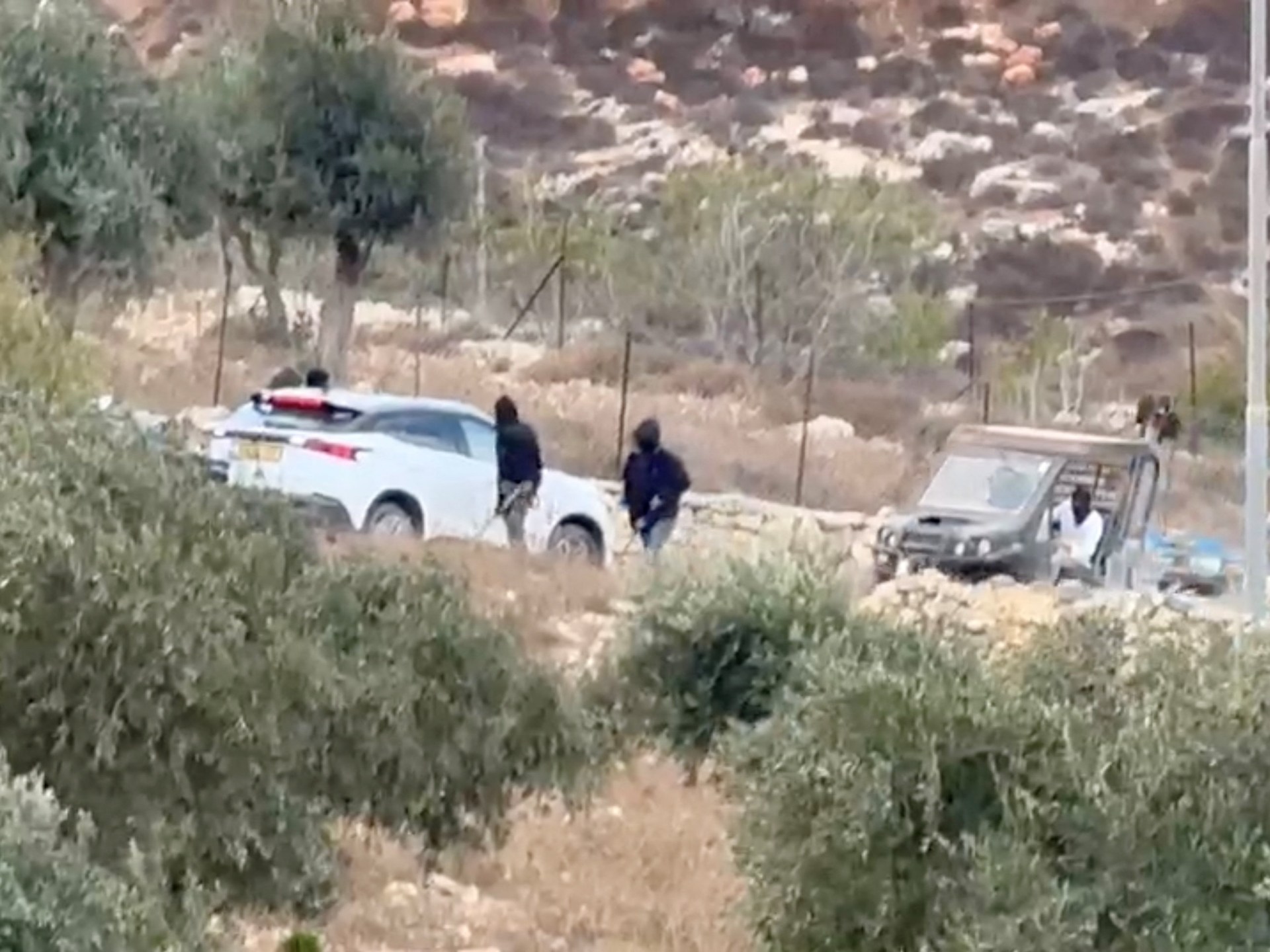
The annual olive harvest across the occupied West Bank has transformed into a severe geopolitical flashpoint, marked by a measurable surge in organized settler attacks against Palestinian agrarian communities. The escalation recently culminated in a direct confrontation involving foreign representatives, where a visiting delegation of European diplomats, including officials from France and Belgium, was confronted and harassed by extremist settlers while assessing conditions on the ground.
The olive harvest serves as both an economic lifeline and a cornerstone of Palestinian territorial continuity, engaging over one hundred thousand families. However, human rights monitors and multilateral field agencies report that armed settler groups, frequently operating under the passive presence of Israeli security forces, have intensified physical assaults, burned century-old groves, and erected physical blockades to deny farmers access to their lands. The strategic timing of these incursions coincides with broader regional tensions, exploiting diminished global attention to systematically alter territorial control across Area C of the West Bank.
Global Trade & Economic Ripples
While the direct commodity footprint of the Palestinian olive oil sector is localized, the systemic disruptions hold notable consequences for broader Levantine agricultural stability and regional supply chains. Olive oil production constitutes a significant percentage of the Palestinian agricultural gross domestic product and underpins substantial informal trade networks across the Middle East. The systemic destruction of groves, combined with widespread harvest losses, deepens Palestinian fiscal dependency and exacerbates the humanitarian deficit financed largely by international donors.
Beyond direct agricultural yields, the deterioration of security corridors across the West Bank increases transport risk premiums for cross-border logistics connecting Jordan, Israel, and the Palestinian territories. Institutional investors tracking sovereign and geopolitical risk in the Middle East view these localized flashpoints as persistent accelerants of regional instability, capable of disrupting transit corridors, dampening foreign direct investment in surrounding markets, and complicating cross-border financial transactions.
Related Intelligence: Mass Funeral in Gaza Deepens Regional Tensions and Supply Chain Risks
International Reactions & Diplomatic Stances
The targeting of European diplomats has elicited sharp rebukes from European capitals, directly challenging the European Union's policy posture toward the ongoing occupation. The foreign ministries of France and Belgium issued coordinated statements condemning the harassment of their diplomatic personnel and reiterated that settlement expansion and associated violence constitute blatant violations of international law.
However, civil society organizations, human rights advocates, and several member state parliamentarians argue that diplomatic condemnations remain fundamentally insufficient. Critics within the European Parliament have called on the European External Action Service to move beyond rhetorical disavowals. Demands include enforcing trade restrictions on goods originating from illegal settlements, re-evaluating the EU-Israel Association Agreement under its human rights provisions, and expanding targeted sanctions against violent settler leaders and facilitating entities.
Strategic Outlook & Future Scenarios
The near-term trajectory indicates continued tension along key agricultural belts in the West Bank through the conclusion of the harvest season. As internal political pressures mount across European capitals, the European Union may face increasing compulsion to introduce coordinated sanctions packages targeting extremist networks and settlement assets, mirroring recent individual measures enacted by the United States and the United Kingdom.
Should diplomatic deterrence fail to curb ground-level violence, the risk of asymmetric escalation across the West Bank remains elevated. Prolonged civil unrest and the systemic disenfranchisement of agrarian populations could precipitate broader clashes, compelling regional neighbors, particularly Jordan and Egypt, to reassess security coordination and trade protocols amid volatile border conditions. International monitoring bodies are expected to raise these developments at upcoming United Nations sessions, intensifying diplomatic scrutiny on regional actors.
Join Our Official WhatsApp Channel
Receive live commodity alerts, policy changes, and commercial intelligence directly on WhatsApp.