
West Bank Olive Harvest Disruption Threatens Global Agricultural Trade
Escalating West Bank violence disrupts the Palestinian olive harvest, compounding acute global supply deficits and driving multi-year highs in international olive oil commodity prices.
Geopolitical & Core Developments
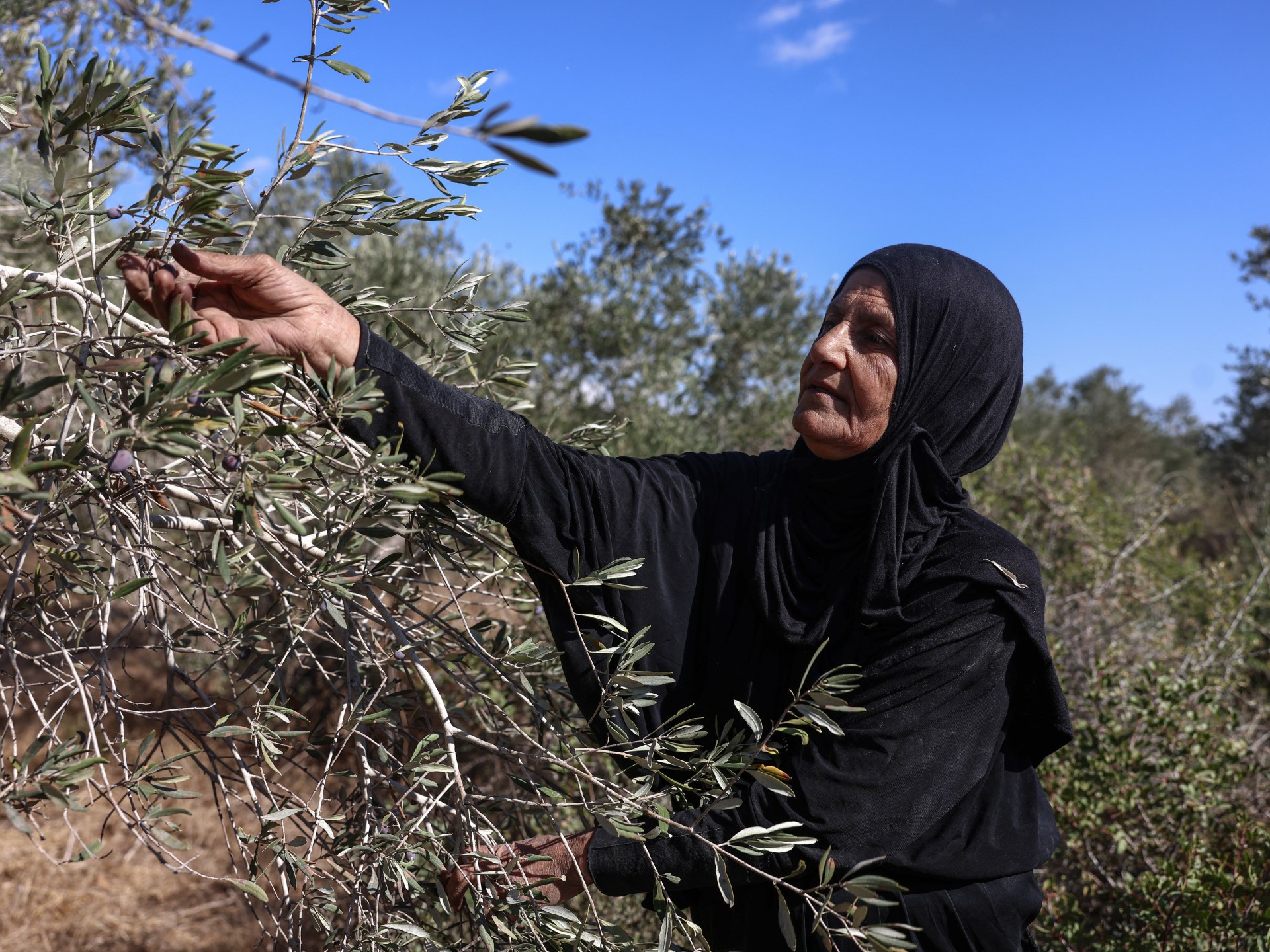
The annual olive harvest in the West Bank, an ancient socio-economic anchor for Palestinian communities, has increasingly become a flashpoint for territorial conflict and security deterioration. Recent weeks have seen a sharp escalation in confrontations as Israeli settlers systematically harvest olives on privately owned Palestinian land, frequently backed by military presence or unchecked by local law enforcement. For generations, the autumn harvest has represented far more than an agricultural milestone; it is a foundational pillar of Palestinian cultural identity and rural sustenance. However, movement restrictions, designated security zones, and physical intimidation by extremist settlers have effectively barred thousands of farmers from accessing their groves. This systemic disenfranchisement not only erodes the agrarian fabric of the West Bank but also intensifies the broader geopolitical friction underpinning the Israel-Palestine crisis, drawing renewed scrutiny from international observers monitoring human rights violations and property dispossession in occupied territories.
[Global Trade](/news/wto-upgrades-global-trade-forecast-pakistan-gains-middle-east-disruptions) & Economic Ripples
While localized in origin, the disruption of agricultural production in the West Bank carries tangible implications for regional commodity markets, particularly within the specialized agricultural trade sector. Olive oil has transitioned from a localized staple to a globally traded commodity experiencing unprecedented price volatility. Consecutive years of severe climate-induced droughts across primary Mediterranean producers such as Spain, Italy, and Greece have already compressed global inventories, sending wholesale prices to historic highs. The compounding loss of West Bank yields—traditionally accounting for a vital share of regional export volume and local consumption—further tightens regional supply chains. Importers across Europe and North America face mounting cost pressures, which are subsequently passed down to commercial distributors and retail consumers. Furthermore, supply chain bottlenecks and heightened security risks complicate logistics and transport corridors originating from the Levant, raising insurance and freight premiums for agricultural exporters operating in volatile Middle Eastern markets.
Related Intelligence: Pakistan Clarifies Makkah Pact Terms Amid Regional Security Escalation
International Reactions & Diplomatic Stances
The deterioration of agricultural security in the West Bank has elicited sharp rebukes and mounting alarm from the international community. Representatives from the United Nations Office for the Coordination of Humanitarian Affairs have repeatedly condemned the spike in harvest-related violence, emphasizing that unimpeded access to agricultural land is a protected right under international humanitarian law. Several European Union member states have issued joint diplomatic demarches urging Israeli authorities to enforce domestic and international statutes protecting civilian property and agricultural livelihoods. Meanwhile, global trade analysts and commodity market watchdogs warn that unchecked escalation in the West Bank threatens broader economic stability across the eastern Mediterranean. Despite these stern diplomatic admonitions and targeted sanctions imposed by select Western nations against violent extremist settlers, multilateral enforcement mechanisms remain constrained by complex regional security dynamics and divergent geopolitical priorities among global superpowers.
Strategic Outlook & Future Scenarios
Looking ahead, the trajectory of agricultural stability in the West Bank remains inextricably linked to the broader geopolitical horizon of the Middle East. Absent a significant shift in military enforcement policies and diplomatic intervention, rural communities face the prospect of permanent land alienation and the collapse of their primary economic engine. Upcoming international trade forums and diplomatic summits are expected to address the intersection of localized conflict and global food security, though concrete resolutions remain elusive. Commodity strategists project that structural supply deficits in the olive oil market will persist through the medium term, keeping global prices elevated regardless of seasonal improvements. As long as agricultural assets serve as proxies in territorial disputes, the economic fallout will continue to resonate far beyond the borders of the West Bank, impacting international trade flows and global consumer markets alike.
Join Our Official WhatsApp Channel
Receive live commodity alerts, policy changes, and commercial intelligence directly on WhatsApp.