
West Bank Olive Grove Destruction Threatens Palestinian Agriculture
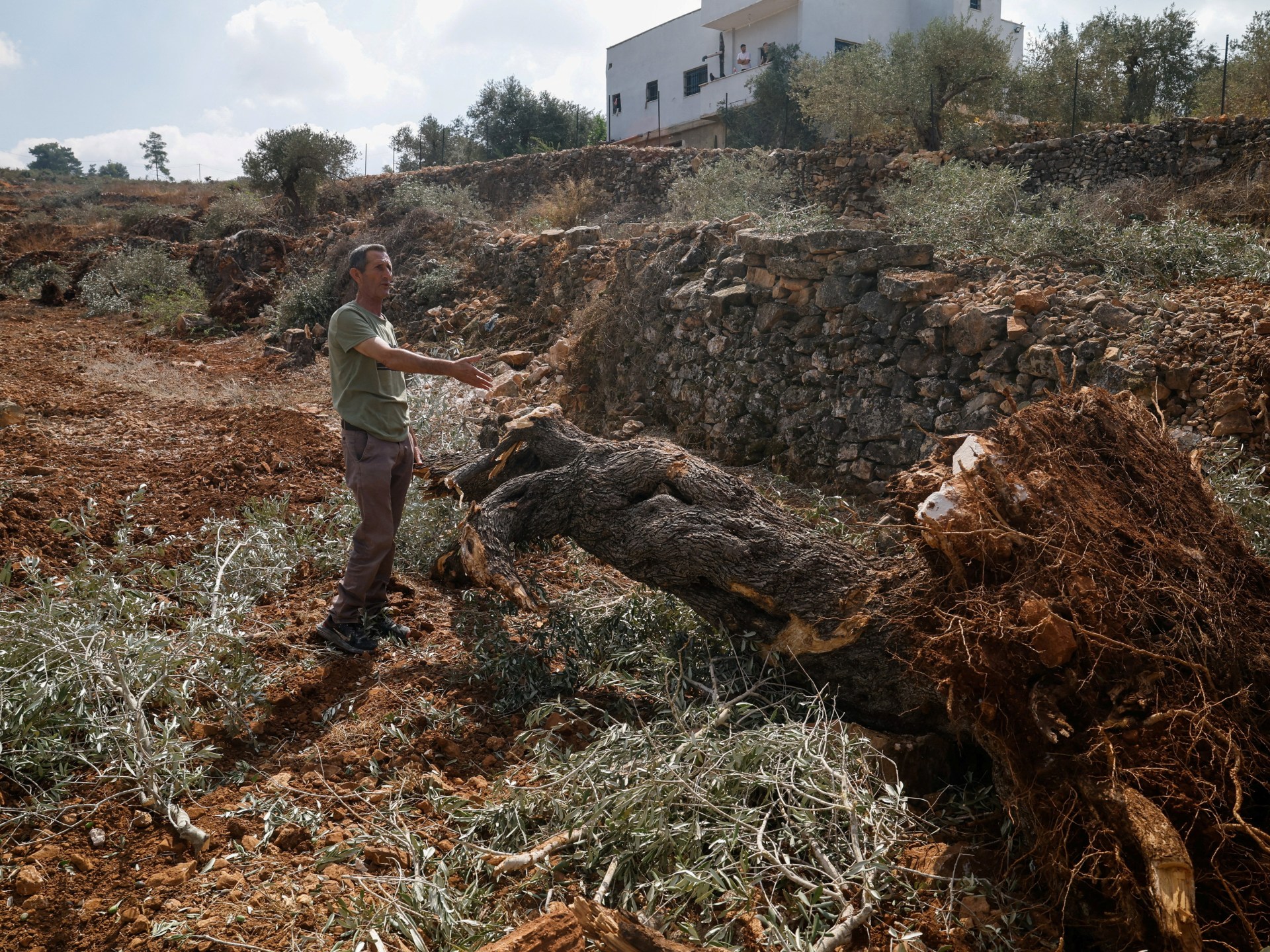
Israeli bulldozers uprooted Palestinian olive groves near Ramallah, threatening local livelihoods and intensifying regional economic instability weeks ahead of the annual harvest.
Geopolitical & Core Developments
Recent actions in the occupied West Bank have brought renewed international scrutiny to the region's fragile security and economic landscape. Israeli military-backed bulldozers recently uprooted extensive Palestinian-owned olive groves near the strategic city of Ramallah, occurring mere weeks before the commencement of the highly anticipated annual olive harvest. This agricultural destruction targets a cornerstone of Palestinian rural subsistence and generational wealth, underscoring the deep-seated structural conflicts characterizing the territory. The timing of the operation, immediately preceding the harvest season, maximizes immediate economic disruption for local growers who rely on olive oil and fruit production as vital household income. State actors and local administrators note that such actions accelerate land fragmentation in the West Bank, complicating diplomatic frameworks and heightening friction between local populations, security forces, and settler communities. The geopolitical stakes extend far beyond immediate land disputes, touching upon fundamental questions of resource access, indigenous commerce, and administrative control in contested territories.
[Global Trade](/news/trump-xi-jinping-us-summit-global-trade-geopolitics) & Economic Ripples
While olive production primarily serves regional markets and specialized international gourmet sectors, the systematic destruction of agricultural infrastructure in the West Bank sends concerning signals across global niche commodity networks. Olive oil remains a sensitive agricultural commodity subject to price volatility driven by Mediterranean climate shocks and regional instability. Although the West Bank is not a dominant global exporter compared to nations like Spain, Italy, or Greece, the erosion of its domestic productive capacity restricts localized food security and forces increased reliance on imported foodstuffs. Furthermore, commercial supply chains operating within the West Bank face severe logistical bottlenecks due to heightened military checkpoints, road closures, and localized friction. These transportation hurdles inflate transaction costs for local merchants, depress regional currency purchasing power, and discourage foreign direct investment in Palestinian agrarian enterprises. Commodity analysts warn that persistent disruptions to agrarian supply chains in key geopolitical flashpoints contribute to broader inflationary pressures on regional staple goods.
Related Intelligence: Siege of Oleshky Intensifies Humanitarian and Regional Commodity Pressures
International Reactions & Diplomatic Stances
International bodies, human rights organizations, and foreign diplomatic missions have expressed mounting concern over the intensification of property destruction in the occupied territories. United Nations agencies have repeatedly emphasized that the targeted demolition of agricultural assets violates international humanitarian law regarding civilian property and economic sustainability in occupied zones. European Union representatives have similarly voiced apprehension, noting that such developments undermine the viability of a future Palestinian state and destabilize commercial frameworks fostered by international aid programs. Market analysts and trade monitors point out that while direct financial market impacts remain localized, the accumulating reputational and regulatory risks for international corporations operating in or sourcing from the region are rising. Diplomatic channels are under renewed pressure to address the erosion of local economic infrastructure, though tangible policy shifts or punitive economic measures remain constrained by divergent geopolitical priorities among major global powers.
Strategic Outlook & Future Scenarios
Looking ahead, the trajectory of agricultural and commercial stability in the West Bank remains precarious. Upcoming diplomatic summits and international trade forums will likely feature sharp debates regarding accountability, property rights, and the protection of civilian economic lifelines in conflict zones. Should property demolitions and access restrictions continue to escalate ahead of subsequent harvest cycles, regional trade networks could experience permanent structural degradation, forcing agrarian communities into deeper dependency. Furthermore, persistent geopolitical friction risks triggering secondary economic sanctions or targeted trade restrictions from sympathetic multilateral bodies, altering the commercial calculus for entities engaged in cross-border trade within the Levant. Strategic planners across global commodity markets will need to closely monitor these localized disruptions as barometers of broader geopolitical risk and regional economic resilience.
Join Our Official WhatsApp Channel
Receive live commodity alerts, policy changes, and commercial intelligence directly on WhatsApp.