
Pakistan Accelerates ML-1 Railway Overhaul and Corporate Reforms
Prime Minister Shehbaz Sharif has ordered accelerated development on the vital ML-1 railway upgrade and structural corporate reforms to modernize Pakistan's transport infrastructure and freight logistics.
The Core Development
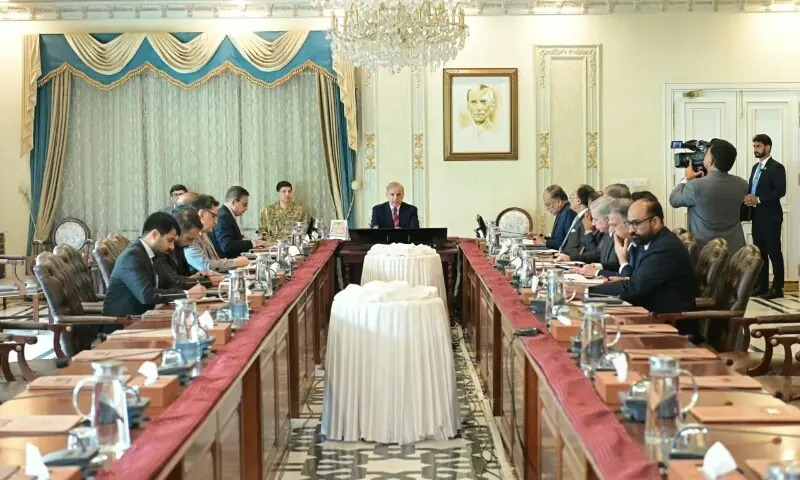
Prime Minister Shehbaz Sharif on Wednesday convened a high-level review session in Islamabad to direct the immediate acceleration of the Main Line-1 (ML-1) railway upgrade project, alongside the implementation of rigorous corporate-style administrative reforms within Pakistan Railways. The flagship ML-1 initiative represents a cornerstone of the national transport modernization agenda, designed to comprehensively overhaul and upgrade critical rail infrastructure spanning from the southern port city of Karachi to Peshawar in the north.
During the briefing at the Prime Minister's Office, the premier emphasized that modernizing the Karachi-Peshawar artery is indispensable for national economic integration. The discussions focused on optimizing passenger safety, reducing transit times, and drastically expanding freight capacity to match regional trade demands. Furthermore, Prime Minister Shehbaz lauded the joint efforts of the Ministry of Railways and the National Accountability Bureau (NAB), spearheaded by the NAB chairman, in identifying and reclaiming illegally encroached railway land across various provinces. This recovery of state assets is viewed by the administration as a critical prerequisite for clearing the path for infrastructural expansion and restoring institutional financial viability.
Commercial & Economic Implications
The modernization of the ML-1 corridor carries profound implications for Pakistan's domestic trade, wholesale distribution networks, and macroeconomic stability. Currently, the heavy reliance on highway freight drives up logistics costs, exacerbating inflationary pressures on essential commodities, retail goods, and industrial raw materials. A high-capacity, electrified, and dual-track railway system is expected to lower transportation costs for commercial enterprises significantly.
For wholesale distributors and manufacturing sectors, dependable rail freight provides a cost-effective alternative to road transport, ensuring smoother supply chain flows from Karachi's seaports to major upcountry industrial hubs in Punjab and Khyber Pakhtunkhwa. By mitigating supply chain bottlenecks, the upgraded network will help stabilize consumer prices, reduce fuel wastage, and enhance the competitive edge of Pakistani exports in international markets. Moreover, commercializing railway operations aims to curb chronic fiscal deficits that have historically burdened the national exchequer, freeing up public funds for targeted developmental initiatives.
Related Intelligence: Security Forces Neutralize 18 Militants Across Khyber Pakhtunkhwa and Balochistan
Stakeholder Perspectives & Market Reactions
Business councils, trade associations, and logistics experts have cautiously welcomed the renewed policy push, noting that previous iterations of the ML-1 project faced numerous financial and bureaucratic delays. Industry bodies representing retail and wholesale markets have long advocated for a revamped freight corridor to bypass highway congestions and soaring diesel prices.
Legal and administrative experts observing the institutional restructuring emphasize that introducing corporate-style governance will require dismantling entrenched bureaucratic inertia and union resistance. Stakeholders maintain that the success of these reforms hinges on transparent management, private-sector participation in freight operations, and strict regulatory oversight. Meanwhile, the Ministry of Railways has faced domestic scrutiny regarding timeline execution, prompting officials to assure market participants that project phases will be monitored through strict key performance indicators.
Forward Outlook & Key Watchpoints
As the government pushes forward with the ML-1 upgrade and corporate restructuring, key watchpoints for investors and economists include the finalization of financing frameworks, procurement transparency, and the execution timeline for track modernization. Market observers will closely monitor legislative and administrative changes within Pakistan Railways to gauge whether corporate governance models can successfully replace legacy bureaucratic structures. Successful execution over the coming quarters will determine if Pakistan can transform its strategic transit potential into sustainable economic growth.
Join Our Official WhatsApp Channel
Receive live commodity alerts, policy changes, and commercial intelligence directly on WhatsApp.