
Washington's Decades-Long Strategy to Undermine the United Nations
While serving as the official host for the United Nations, Washington has systematically sought to weaken the multilateral body for decades to serve its strategic interests.
Geopolitical & Core Developments
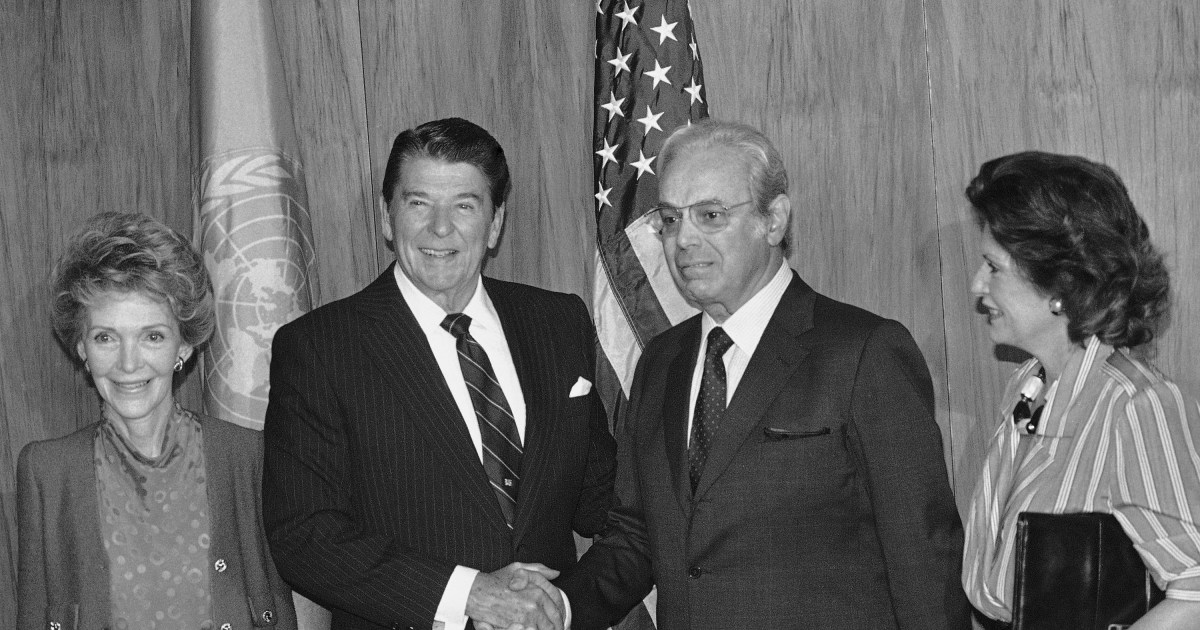
The United States' complex relationship with the United Nations is frequently misunderstood as a recent phenomenon born of partisan isolationism or modern populist friction. However, historical analysis reveals that Washington's policy of strategically undermining the UN is a decades-old bipartisan practice. As the official host nation of the global body in New York, the United States has long enjoyed a paradoxical position: acting as the chief architect of the post-World War II international order while simultaneously reserving the prerogative to bypass, defund, or marginalize international institutions when they run counter to American strategic and military interests.
From withholding mandatory budgetary dues during financial disputes in the late 20th century to vetoing resolutions concerning international law and sovereignty, Washington has consistently prioritized unilateral freedom of action. This strategy involves a dual-track diplomacy: publicly endorsing the UN as an indispensable forum for global dialogue while quietly eroding its enforcement mechanisms, peacekeeping mandates, and binding judicial authorities. State actors across successive US administrations have viewed unchecked multilateralism as a potential constraint on American power, leading to a persistent structural tension between global governance and national hegemony.
Global Trade & Economic Ripples
The deliberate erosion of international bodies carries profound implications for global trade, commodity markets, and cross-border commerce. The post-war economic architecture relies heavily on multilateral consensus to maintain predictable shipping lanes, stable tariff regimes, and transparent regulatory standards. When the primary guarantor of international law signals a willingness to weaken global institutions, market confidence in multilateral frameworks diminishes.
In global energy and agricultural commodity markets, regulatory certainty is paramount. Weakened UN specialized agencies—such as the International Maritime Organization or the Food and Agriculture Organization—struggle to enforce global standards when major economic powers undermine their authority. This friction manifests in increased volatility for maritime freight insurance, disrupted supply chain protocols, and fragmented sanctions regimes. Multinational corporations and commodity traders are increasingly forced to navigate a fractured geopolitical landscape where bilateral coercion frequently supersedes multilateral trade rules, driving up compliance costs and introducing severe risk premiums into global supply chains.
Related Intelligence: Nigeria's Dangote Refinery Sparks Global Energy Shift and Monopoly Debate
International Reactions & Diplomatic Stances
Global reactions to Washington's historical posture toward the UN are sharply divided. Traditional allies in Western Europe frequently express private anxiety over American unilateralism, even as they align with broader US strategic objectives. Conversely, emerging economies and Global South nations view American circumvention of the UN Security Council and General Assembly as a double standard that undermines international equity and sovereign protection.
Multilateral bodies and international legal experts warn that persistent institutional sidelining creates a dangerous precedent for rising powers. When the foundational norms of international diplomacy are treated as optional by the world's foremost superpower, other nations are emboldened to disregard international rulings on territorial disputes, trade practices, and human rights. Market analysts note that this erosion of diplomatic trust accelerates the fragmentation of global governance, encouraging regional economic blocs to establish alternative financial and trade networks independent of Western influence.
Strategic Outlook & Future Scenarios
Looking ahead, the trajectory of US-UN relations suggests continued institutional friction. Upcoming high-level summits on climate finance, global debt restructuring, and digital governance will likely serve as battlegrounds where American strategic interests clash with demands for comprehensive multilateral reform. As multipolarity accelerates, Washington faces a critical choice: reinvest in reinvigorated global institutions or risk presiding over a fractured international order where alternative trade blocs and security alliances diminish Western economic leverage.
For international businesses and commodity traders, the coming decade will require enhanced geopolitical risk management. Anticipated escalations in trade restrictions, currency diversification away from the US dollar, and regulatory divergence across jurisdictions will test the resilience of global supply chains. Understanding that Washington's skepticism toward the UN is a permanent structural feature of global politics allows market participants to better price sovereign risk and navigate an increasingly unpredictable international trade environment.
Join Our Official WhatsApp Channel
Receive live commodity alerts, policy changes, and commercial intelligence directly on WhatsApp.