
Venezuelan Opposition Rallies Demand Transition and Return of Machado
Protesters across Venezuela rally for the return of opposition leader Maria Corina Machado, intensifying pressure on the government and impacting global energy market sentiment.
Geopolitical & Core Developments
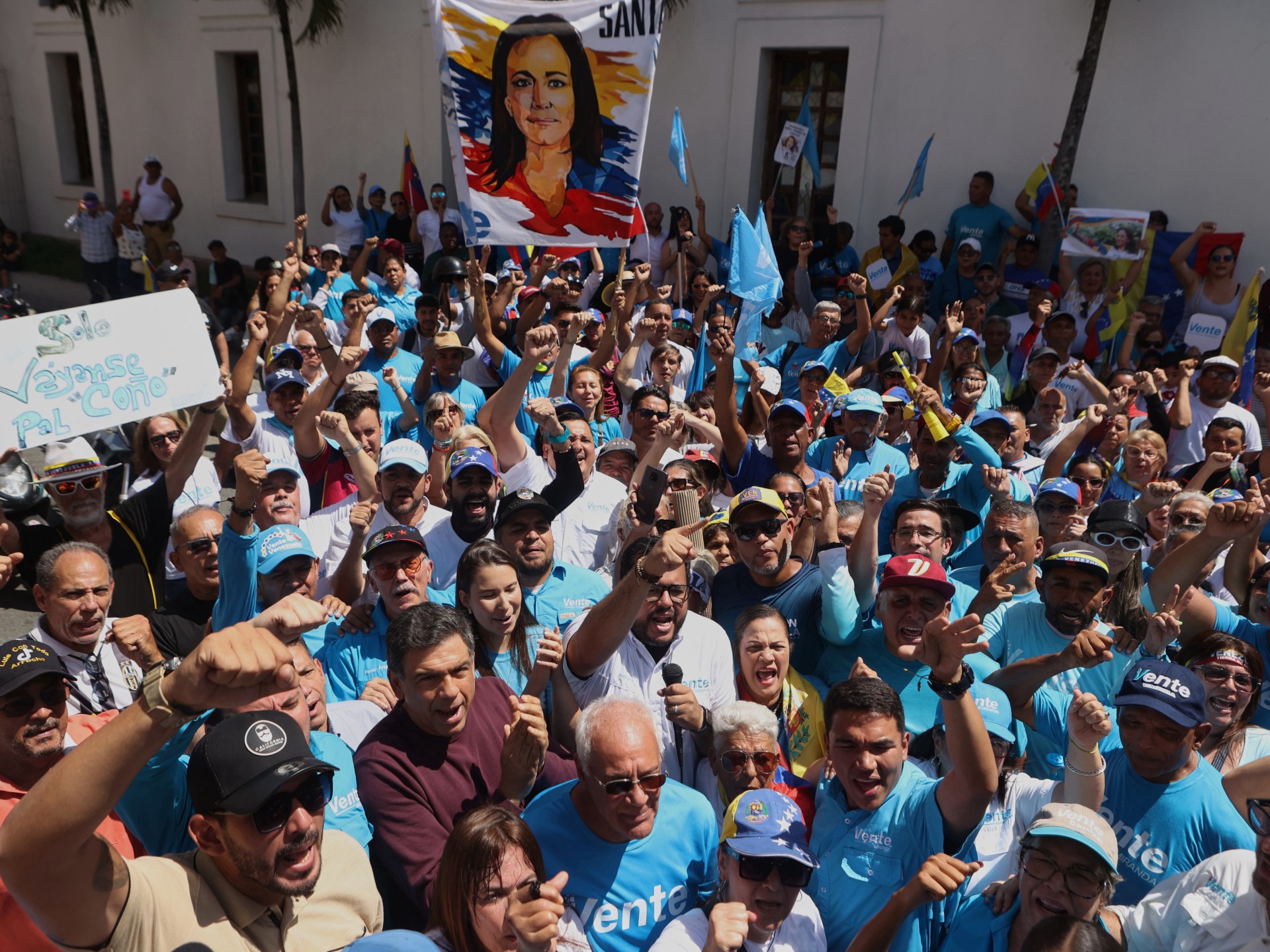
Mass demonstrations erupted across major Venezuelan urban centers as citizens mobilized to demand the return of Nobel laureate and opposition leader Maria Corina Machado from exile, alongside urgent calls for democratic presidential elections. The protests mark a critical juncture in Venezuela's protracted political crisis, which has deepened following disputed electoral outcomes and intensified state crackdowns on civil dissent. Machado, who has been forced into clandestine status and subsequent exile following persistent threats to her personal security, remains the unifying figurehead of the fractured anti-government coalition. Her planned returns have repeatedly been thwarted by state-level security apparatuses, highlighting the regime's determination to stifle organized political opposition. State actors within the administration continue to consolidate executive power, rejecting international mediation while blaming foreign interference for domestic economic instability. The standoff has transformed from a domestic electoral dispute into a high-stakes geopolitical contest involving regional governments, multilateral institutions, and global powers with strategic interests in Latin America's political trajectory.
Global Trade & Economic Ripples
Beyond domestic political friction, the ongoing turmoil in Venezuela carries profound implications for global commodity markets, particularly international crude supply chains. Venezuela sits atop the world's largest proven petroleum reserves, yet decades of underinvestment, mismanagement, and comprehensive international sanctions have severely crippled its production capacity. Any credible prospect of political transition immediately influences energy trading desks, as investors weigh the potential rehabilitation of state oil infrastructure and the eventual reintegration of heavy Venezuelan crude into North American and European refiners. Global shipping lanes and tanker rates remain sensitive to any escalation in political risk along Caribbean maritime corridors. Furthermore, persistent hyperinflation, currency devaluation, and the widespread collapse of domestic purchasing power continue to drive regional migration flows, exerting macroeconomic pressures on neighboring economies from Colombia to the Southern Cone and altering regional labor market dynamics.
Related Intelligence: World News Day Boss Warns Media Relevance is Vital for Global Stability
International Reactions & Diplomatic Stances
The international community remains sharply divided yet increasingly vocal regarding the escalating political crisis in Caracas. United Nations human rights monitors have repeatedly condemned arbitrary detentions and the erosion of civic freedoms, calling for independent investigations into state actions against political activists. Western democracies have reiterated demands for verifiable election results and the immediate cessation of political persecution, while threatening to maintain or expand targeted economic sanctions against key state officials. Conversely, traditional allies of the Venezuelan government have defended state sovereignty, decrying external meddling and offering economic and diplomatic solidarity. Energy market analysts and sovereign debt restructuring experts are closely monitoring these diplomatic maneuvers, noting that any sustainable resolution will require a delicate multilateral framework capable of balancing demands for democratic accountability with the pragmatic realities of global energy security.
Strategic Outlook & Future Scenarios
Looking ahead, the trajectory of Venezuela's political landscape depends on the resilience of grassroots opposition networks and the shifting calculus of the ruling elite and military leadership. Upcoming international summits and diplomatic forums will serve as critical venues for mediating potential dialogue channels between the government and opposition factions. Analysts outline several divergent scenarios, ranging from a prolonged stalemate characterized by entrenched authoritarian governance and stagnant economic output to an eventual negotiated transition facilitated by coordinated regional and international pressure. Should opposition momentum successfully force concessions or enable Machado's return, global energy markets could witness a significant recalibration of supply expectations. However, without credible institutional reforms and transparent electoral guarantees, foreign direct investment will remain severely constrained, leaving Venezuela's vast economic potential locked behind persistent geopolitical volatility.
Join Our Official WhatsApp Channel
Receive live commodity alerts, policy changes, and commercial intelligence directly on WhatsApp.