
Severe Nor'easter Paralyses US Northeast Infrastructure and Global Logistics
A powerful nor'easter has triggered severe coastal flooding and widespread power outages across the US Northeast, disrupting critical supply chains and regional logistics hubs.
Geopolitical & Core Developments
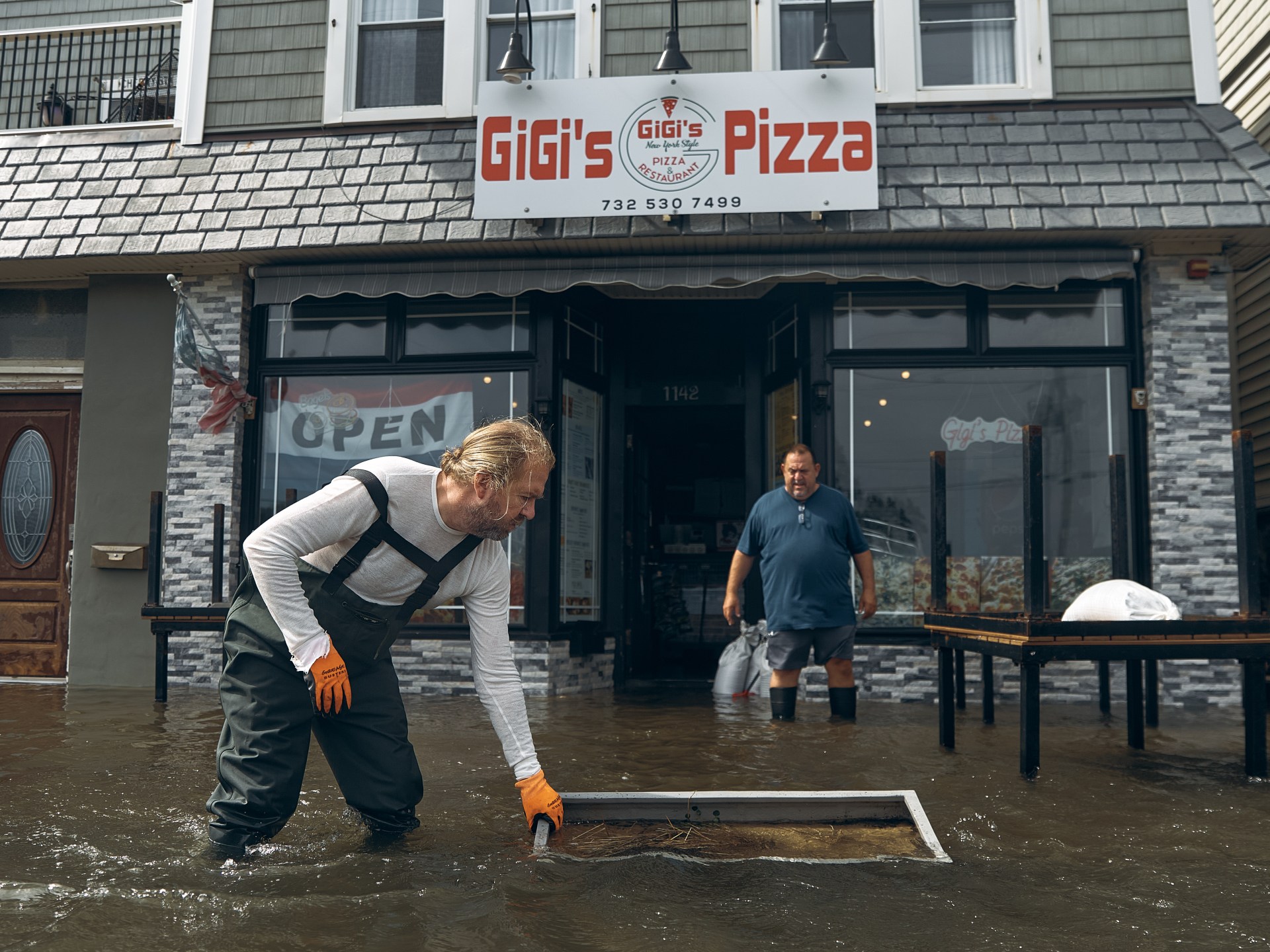
A ferocious nor'easter slammed the United States Northeast corridor, inundating low-lying residential and commercial zones across New York City and New Jersey. The meteorological system, fueled by an intense coastal low-pressure convergence, drove torrential downpours and fierce gale-force winds inland, overwhelming municipal drainage systems that are increasingly vulnerable to extreme weather events. State and municipal authorities declared localized emergencies as rising tides breached sea walls, submerging vital arterial roadways and halting commuter rail networks. Emergency response teams faced unprecedented challenges navigating submerged thoroughfares to conduct water rescues, while structural damage reports mounted across coastal communities. The timing of the tempest coincided with spring astronomical high tides, compounding the storm surge impact and leaving critical infrastructure submerged under feet of saltwater. Federal disaster management agencies mobilized rapid response units to coordinate recovery operations alongside state governors, prioritizing the clearance of evacuation routes and the stabilization of compromised structural barriers.
[Global Trade](/news/yemeni-frontline-escalation-threatens-global-trade-corridors) & Economic Ripples
The meteorological disruption inflicted immediate shocks on commercial supply chains and regional logistics networks that serve as critical nodes for international trade. Major container terminals and maritime shipping facilities in the Port of New York and New Jersey experienced temporary operational halts, delaying cargo offloading and intermodal rail transfers destined for Midwestern manufacturing hubs. Energy markets registered localized volatility as downed transmission lines left hundreds of thousands of residential and industrial customers without power, temporarily depressing regional energy demand while spiking emergency repair expenditures. Commodity traders monitoring bulk freight movements noted immediate scheduling backlogs, raising concerns regarding demurrage costs and timely fulfillment of international delivery contracts. Furthermore, disruptions to regional aviation hubs cascaded into national air freight networks, stalling high-value electronics, perishable goods, and urgent pharmaceutical shipments bound for transatlantic export markets.
Related Intelligence: Ireland-Israel UEFA Match Sparks Geopolitical and Commercial Fallout
International Reactions & Diplomatic Stances
International market analysts and foreign trade partners closely monitored the unfolding crisis, assessing the vulnerability of North American critical infrastructure to extreme climate volatility. Multilateral economic institutions issued preliminary assessments highlighting how localized weather anomalies translate rapidly into macro-level trade friction and inflationary pressures. Insurance syndicates and global reinsurance firms convened emergency risk-assessment panels to evaluate escalating exposure levels across coastal commercial real estate and maritime logistics corridors. While foreign governments offered standard messages of solidarity and operational assistance, trade delegations focused primarily on the potential ripple effects on imported industrial components and raw material distribution timelines originating from northeastern US ports.
Strategic Outlook & Future Scenarios
As floodwaters slowly recede and utility crews commence the arduous task of grid restoration, policymakers face mounting pressure to accelerate infrastructural adaptation frameworks. The economic fallout from the nor'easter is expected to accelerate capital expenditure debates surrounding climate resilience investments, particularly regarding sea wall reinforcements and subterranean electrical grid modernization. Future scenarios point toward heightened regulatory scrutiny on commercial real estate and supply chain vulnerabilities, potentially driving multinational corporations to diversify their distribution nodes away from single-point coastal dependencies. Upcoming legislative sessions are projected to prioritize federal funding packages aimed at fortifying coastal shipping lanes and energy transmission corridors against recurring meteorological shocks.
Join Our Official WhatsApp Channel
Receive live commodity alerts, policy changes, and commercial intelligence directly on WhatsApp.