
US Warns Garry Kasparov Over Kremlin Threats Amid Global Dissident Crackdown
United States intelligence has issued formal warnings to Russian dissident Garry Kasparov regarding active threats to his life, highlighting escalating transnational repression by Moscow.
Geopolitical & Core Developments
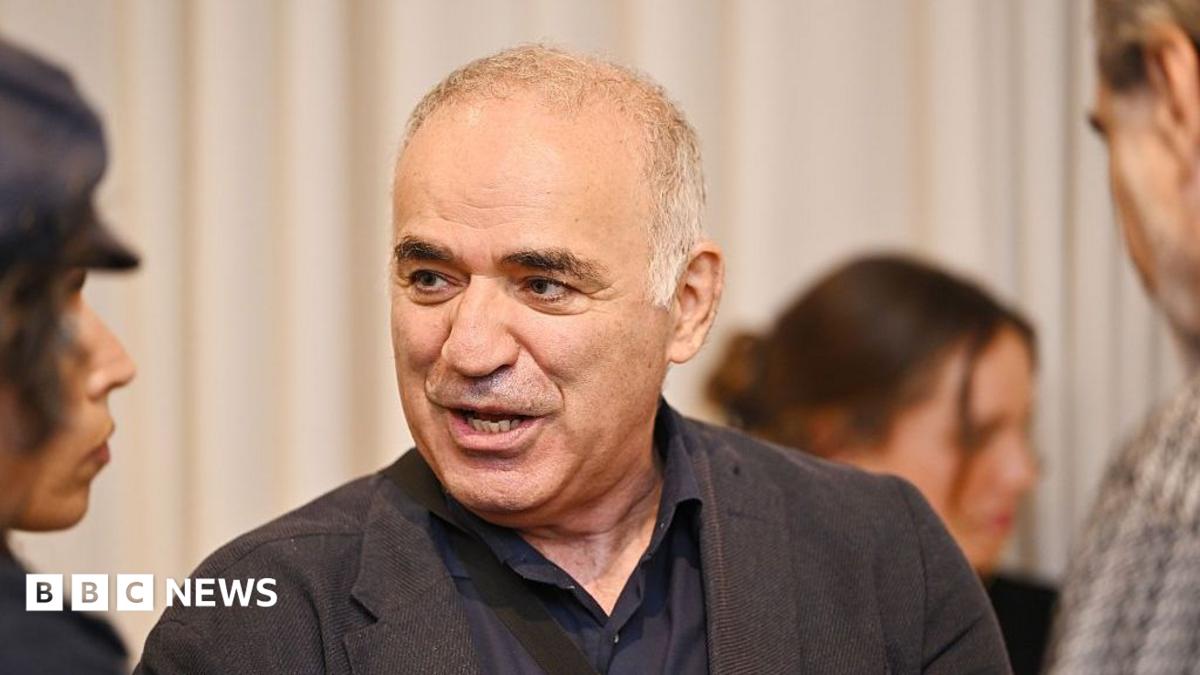
United States intelligence and security agencies have formally alerted former chess world champion and prominent Russian dissident Garry Kasparov regarding credible, imminent threats to his life orchestrated by agents of the Kremlin. Kasparov, a vocal critic of Russian President Vladimir Putin, has lived in exile for over a decade, coordinating democratic opposition movements from Western capitals. This latest security intervention marks a significant escalation in the ongoing shadow war between Russian state security apparatuses and high-profile political dissidents residing abroad.
Intelligence assessments indicate that the threats extend beyond standard political intimidation, reflecting a persistent pattern of transnational repression targeting critics of the current Moscow administration. The warning underscores the vulnerabilities faced by prominent political exiles, even those operating under the nominal protection of Western security frameworks. State actors continue to utilize sophisticated surveillance, psychological operations, and targeted disruption tactics against opposition figures, prompting intelligence agencies across North America and Western Europe to tighten protective protocols for high-value targets.
Global Trade & Economic Ripples
While the direct narrative centers on personal security and political dissent, the intensification of covert geopolitical hostilities carries profound implications for global trade, financial compliance, and commercial security. Heightened intelligence alerts regarding state-sponsored operations often precede broader economic countermeasures, including expanded sanctions packages, tightened financial surveillance, and increased scrutiny of international trade channels connected to Russian entities.
Multinational corporations operating in transitional economies and global commodity markets must navigate an increasingly complex risk landscape. Supply chain integrity, maritime shipping insurance rates, and cross-border capital flows are perpetually sensitive to geopolitical friction points. As Western governments respond to heightened security threats from Moscow, financial institutions face renewed pressure to enforce rigorous compliance standards, impacting trade finance, energy export corridors, and international investment portfolios.
Related Intelligence: French Education Crisis Sparks Nationwide Student Protests and Economic Anxiety
International Reactions & Diplomatic Stances
International bodies and Western governments have responded with deep concern to the intelligence warnings issued to Kasparov, viewing the development as a direct challenge to the sovereignty and security of democratic nations. Human rights organizations and multilateral institutions have reiterated calls for robust protections for political dissidents and journalists operating outside of authoritarian jurisdictions.
Diplomatic channels between Moscow and Western capitals remain severely strained, with these security revelations further eroding prospects for bilateral dialogue. Analysts suggest that the incident will likely prompt a coordinated diplomatic response from G7 nations, potentially involving targeted diplomatic expulsions, enhanced cyber-defense cooperation, and expanded asset freezes against individuals linked to state-sponsored intelligence operations.
Strategic Outlook & Future Scenarios
Looking ahead, the trajectory of transnational security threats against political dissidents points toward sustained geopolitical volatility. As Western intelligence agencies enhance protective measures for prominent exiles like Kasparov, the Kremlin may pivot toward asymmetric tactics, including targeted cyberattacks, disinformation campaigns, and economic disruption.
Upcoming international summits and diplomatic forums will likely feature intensified debates on countering transnational repression and tightening regulatory frameworks around illicit financial flows tied to authoritarian regimes. For global markets and international trade participants, the overarching strategic outlook dictates a prolonged environment of heightened geopolitical risk, necessitating robust risk management and diversified supply chain strategies to insulate commercial interests from escalating state-level conflicts.
Join Our Official WhatsApp Channel
Receive live commodity alerts, policy changes, and commercial intelligence directly on WhatsApp.