
US Visa Suspension Grips Tech Sector as Green Card Halt Hits Thousands
Washington's abrupt suspension of key tech firms from foreign worker green card sponsorship threatens thousands of IT professionals and sparks fierce debate over international labor mobility.
Geopolitical & Core Developments
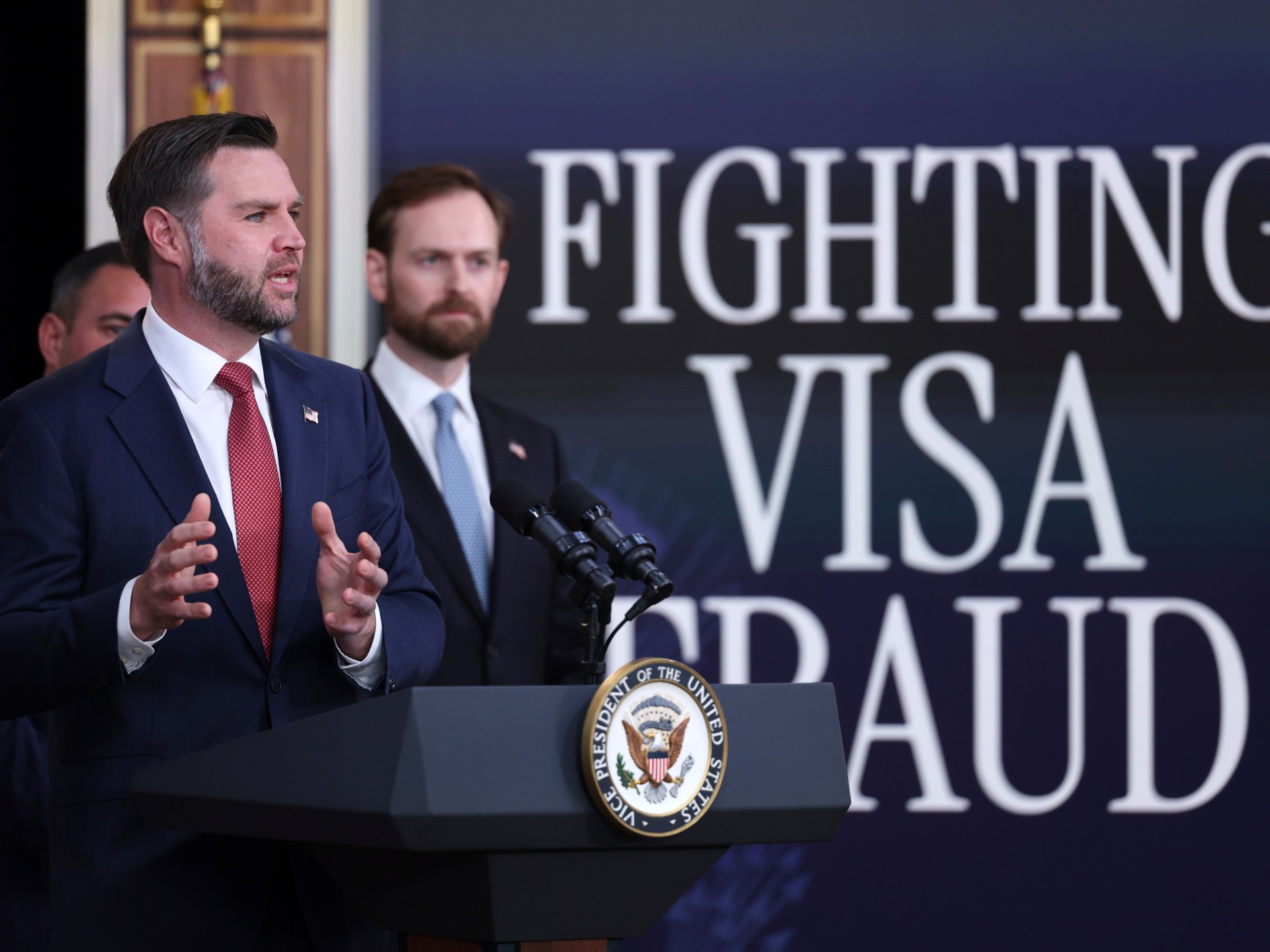
The United States government has enacted a sweeping regulatory enforcement action that suspends top technology conglomerates, including Microsoft, from a pivotal permanent residency sponsorship initiative. This program previously enabled foreign IT specialists to transition from temporary employment visas to lawful permanent residency, commonly known as green cards. The sudden policy enforcement stems from rigorous federal audits regarding compliance and labor market protections, leaving thousands of highly skilled international workers in severe legal and professional limbo. Critics and labor rights advocates have increasingly characterized the precarious reliance of foreign nationals on single-employer visa sponsorships as a modern form of indentured servitude, noting that employees risk immediate deportation if they leave their sponsoring corporations. This structural vulnerability has amplified geopolitical friction between Washington and major talent-exporting nations, particularly India and various Southeast Asian technology hubs, whose nationals constitute the vast majority of the affected workforce. As diplomatic channels attempt to address the fallout, the integrity of bilateral economic partnerships focused on technological innovation faces mounting pressure.
Global Trade & Economic Ripples
The restriction of skilled labor mobility directly reverberates through the architecture of global trade and transnational corporate operations. Modern supply chains in semiconductors, software engineering, and cloud infrastructure rely heavily on seamless cross-border deployment of human capital. By constraining the permanent retention of top-tier engineering talent within the United States, multinational corporations may be compelled to accelerate offshoring strategies, transferring high-value research and development operations to jurisdictions with more flexible immigration frameworks, such as Canada, the United Kingdom, and the European Union. Furthermore, the uncertainty surrounding workforce continuity threatens to inflate operational costs for dominant tech firms, potentially impacting global commodity pricing for enterprise software and digital infrastructure services. Financial markets have begun pricing in the risks associated with talent shortages, as institutional investors weigh the long-term productivity losses against domestic political imperatives.
Related Intelligence: Vatican Praises Pakistan Diplomatic Role Amid Trade and Regional Stability Push
International Reactions & Diplomatic Stances
International reaction has been swift, characterized by corporate apprehension and quiet diplomatic concern. Representatives from major trade associations and chambers of commerce have urged the Department of Labor and the Department of Homeland Security to establish immediate remedial pathways to prevent catastrophic brain drain and project delays. Meanwhile, government officials in key source nations have expressed profound disappointment, emphasizing that equitable labor policies are foundational to robust bilateral commercial relations. Multilateral labor bodies have also weighed in, highlighting the structural imbalances inherent in employer-tied visa categories. Independent market analysts suggest that while domestic political constituencies may favor restrictive labor measures to protect local employment figures, the long-term consequence will likely be a decentralized global tech ecosystem where innovation capital migrates away from traditional American centers.
Strategic Outlook & Future Scenarios
Looking ahead, the trajectory of US immigration enforcement regarding skilled technology workers will heavily influence global corporate migration patterns. Upcoming legislative sessions and bilateral trade summits will likely feature intense lobbying from multinational technology coalitions seeking structural reforms to decoupling labor sponsorship from corporate control. Failure to resolve these bottlenecks could lead to a permanent restructuring of how multinational firms manage global workforces, diminishing the United States' competitive advantage in artificial intelligence, quantum computing, and advanced software development. As sanctions and protectionist trade barriers increasingly intersect with domestic labor policies, global enterprises must prepare for a prolonged period of regulatory volatility that prioritizes national security and workforce nationalism over open-market globalization.
Join Our Official WhatsApp Channel
Receive live commodity alerts, policy changes, and commercial intelligence directly on WhatsApp.