
US Tariffs Cripple Canadian Dairy Exports as Trade Tensions Deepen
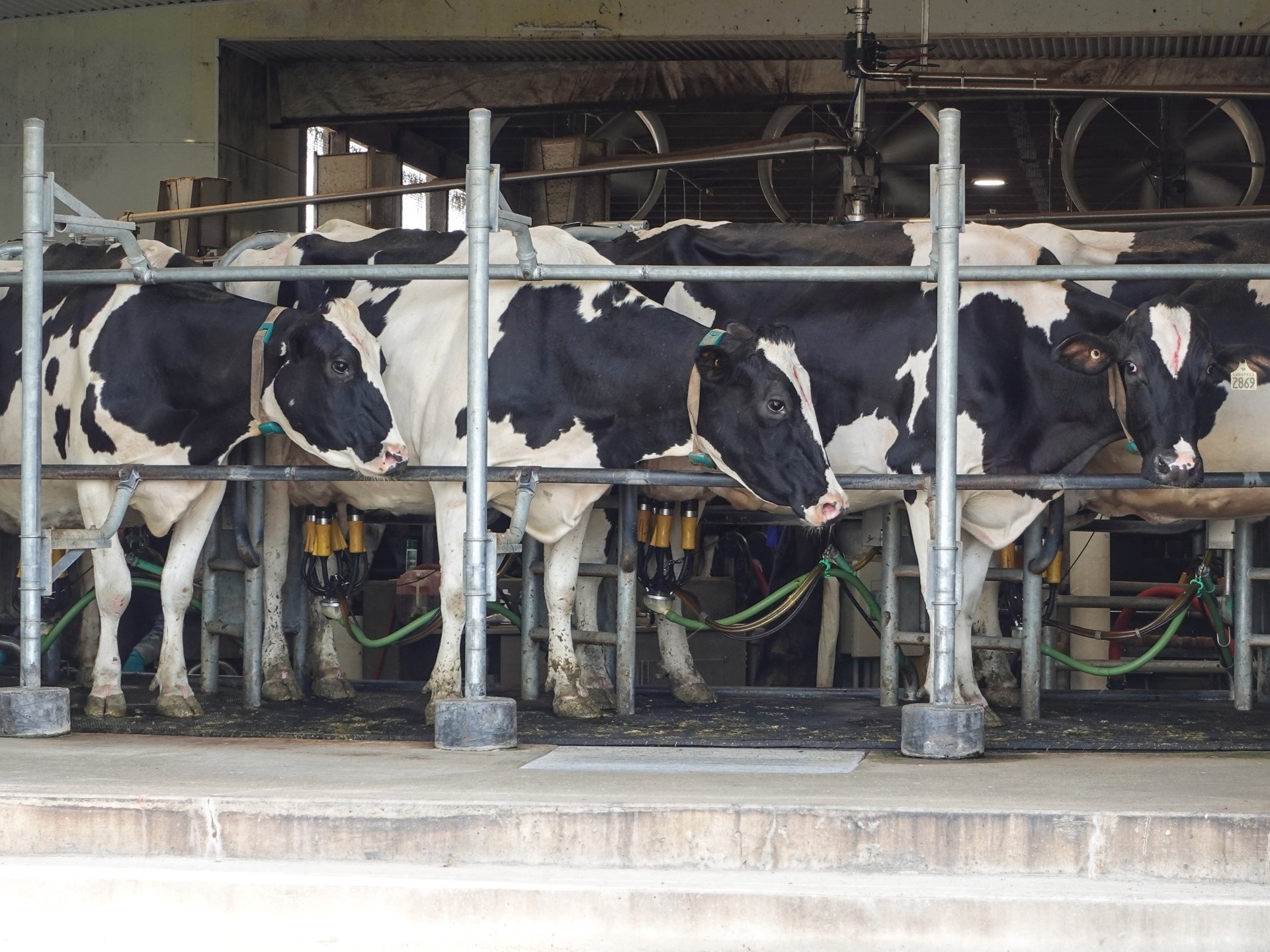
A punitive 50 percent US tariff on Canadian dairy products has triggered severe supply chain disruptions, leaving northern producers scrambling to manage mounting agricultural surpluses.
Geopolitical & Core Developments
The imposition of a punitive 50 percent tariff by the United States on Canadian dairy imports has dramatically escalated bilateral trade tensions, testing the resilience of longstanding cross-border commercial agreements. The policy shift, driven by protectionist trade strategies in Washington, has caught northern agricultural producers off guard, abruptly halting established export channels that have operated under relative stability for decades. State actors on both sides of the border are now engaged in urgent diplomatic assessments to determine the long-term viability of current trade frameworks. The sudden nature of the tariff implementation highlights the vulnerability of regional supply chains to shifting political priorities and underscores a growing trend toward economic nationalism among major global economies. As diplomatic channels hum with emergency consultations, agricultural ministries in Ottawa are facing intense domestic pressure to retaliate or secure emergency federal relief for affected farming cooperatives.
Global Trade & Economic Ripples
The immediate commercial fallout of the tariff has sent shockwaves through the North American agricultural commodity market. Perishable dairy products, characterized by strict expiration limits and complex cold-chain logistics, cannot be easily redirected to alternative international markets overnight. Consequently, Canadian dairy farmers are grappling with severe logistical bottlenecks, facing mounting volumes of surplus milk that local processing facilities lack the immediate capacity to absorb. This localized supply glut is already depressing domestic commodity pricing and straining the operational liquidity of independent producers. Furthermore, the disruption has reverberated across shipping lanes and transportation networks specialized in refrigerated cross-border freight, leading to decreased cargo volumes and rising operational costs for logistics providers caught in the crossfire of escalating trade friction.
Related Intelligence: France and Canada Forge Strategic Alliance Amid US Trade Friction
International Reactions & Diplomatic Stances
Official responses from multilateral trade bodies and market analysts reflect deep concern over the erosion of North American trade harmony. Representatives from international agricultural associations have cautioned that unilateral tariff measures undermine predictability in global food supply chains, setting a dangerous precedent for agricultural protectionism worldwide. Market analysts note that while US domestic producers may experience short-term relief from foreign competition, the broader economic ramifications—including potential retaliatory tariffs on American industrial or agricultural goods—pose significant risks to regional market stability. Industry stakeholders are urgently calling for revived bilateral negotiations through established dispute-resolution mechanisms to prevent a full-scale trade war that could permanently alter the landscape of continental commerce.
Strategic Outlook & Future Scenarios
Looking ahead, the trajectory of US-Canadian trade relations hinges on upcoming high-level diplomatic summits and scheduled reviews of regional trade pacts. If negotiations fail to yield a compromise on agricultural quotas and tariff exemptions, Ottawa is widely expected to implement targeted countermeasures against strategic US exports, escalating the economic standoff. Beyond immediate bilateral concerns, this crisis serves as a bellwether for global commodity trade in an era of heightened geopolitical fragmentation. Policymakers and industry leaders must now navigate an increasingly volatile trade environment where agricultural commodities are frequently leveraged as instruments of broader economic statecraft, necessitating more resilient, diversified supply chain models.
Join Our Official WhatsApp Channel
Receive live commodity alerts, policy changes, and commercial intelligence directly on WhatsApp.