
US Sanctions on ICC Spark Global Outrage and Economic Uncertainty
US sanctions on the International Criminal Court have triggered global diplomatic condemnation and raised concerns over international legal stability and market predictability.
The Core Development
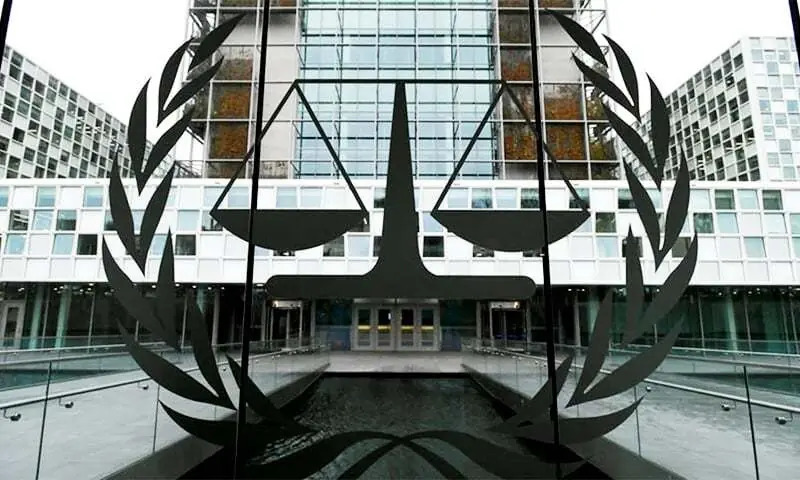
The United States administration under President Donald Trump escalated geopolitical tensions on Friday by imposing sweeping economic and travel sanctions directly on the International Criminal Court (ICC). The controversial policy move materialized mere hours after former ICC judge Navi Pillay was announced as the laureate for the 2026 Nobel Peace Prize, a temporal coincidence that drew sharp rebukes from human rights advocates and international diplomats alike. The sanctions represent a direct assault on the Hague-based tribunal, which denounced the measures as a severe betrayal of international law and a direct threat to global accountability frameworks. The ICC responded forcefully through an official statement, characterizing the White House directive as an unprecedented assault on the rule of law and the fundamental architecture of the international legal order. With Washington now on a direct diplomatic collision course with its European allies—many of whom are foundational member states of the court—the integrity of multilateral institutions faces its most severe stress test in decades.
Commercial & Economic Implications
For trading nations and commercial entities operating across emerging markets, including Pakistan, the widening chasm between the United States and European multilateral institutions introduces profound systemic risks. Kalyar Traders notes that while direct trade tariffs are not immediately altered by these judicial sanctions, the underlying financial volatility and diplomatic friction directly impact global currency markets, trade credit availability, and commodity pricing stability. Sanctions of this magnitude erode predictability within the global financial architecture, potentially driving up compliance costs for multinational supply chains and wholesale distributors dealing in cross-border settlements. Furthermore, heightened geopolitical fragmentation often translates into erratic fluctuations in foreign exchange reserves, import-export financing expenses, and inflationary pressures on essential imported goods within developing economies.
Related Intelligence: Israel's Resilience Collides With Inflationary Pressures Amid Persistent Conflict
Stakeholder Perspectives & Market Reactions
Global reaction has been swift and deeply polarized, reflecting profound unease across legal, commercial, and political domains. The ICC has explicitly warned that it cannot withstand these pressures in isolation, issuing an urgent appeal to all 125 member states to actively safeguard the foundational treaties of international justice. European capitals have expressed grave concern over Washington's unilateral escalation, warning that weaponizing economic sanctions against judicial bodies undermines sovereign cooperation and sets a dangerous precedent for international commerce and diplomacy. Meanwhile, international trade associations and legal experts caution that prolonged discord between Western economic superpowers will paralyze multilateral dispute resolution mechanisms, leaving commercial entities with fewer reliable avenues for enforcing international contracts and protecting foreign investments.
Forward Outlook & Key Watchpoints
As the diplomatic crisis deepens, institutional stakeholders and financial analysts must monitor several critical indicators over the coming weeks and months. Key watchpoints include the formal response of the European Union and its member states to the US Treasury designations, potential retaliatory regulatory adjustments within global financial centers, and the degree to which institutional donors rally to support the court's operational budget. For businesses and trading houses in Pakistan, observing shifts in foreign exchange stability, international banking compliance guidelines, and bilateral trade agreements will be essential for mitigating exposure to broader geopolitical fallout. The ultimate resolution of this standoff will test the resilience of the global rules-based order and determine whether multilateral frameworks can withstand unilateral economic coercion.
Join Our Official WhatsApp Channel
Receive live commodity alerts, policy changes, and commercial intelligence directly on WhatsApp.