
US Imposes Direct Sanctions on International Criminal Court in Unprecedented Escalation
The United States has enacted sweeping sanctions against the International Criminal Court, escalating a diplomatic confrontation and threatening international legal frameworks.
Geopolitical & Core Developments
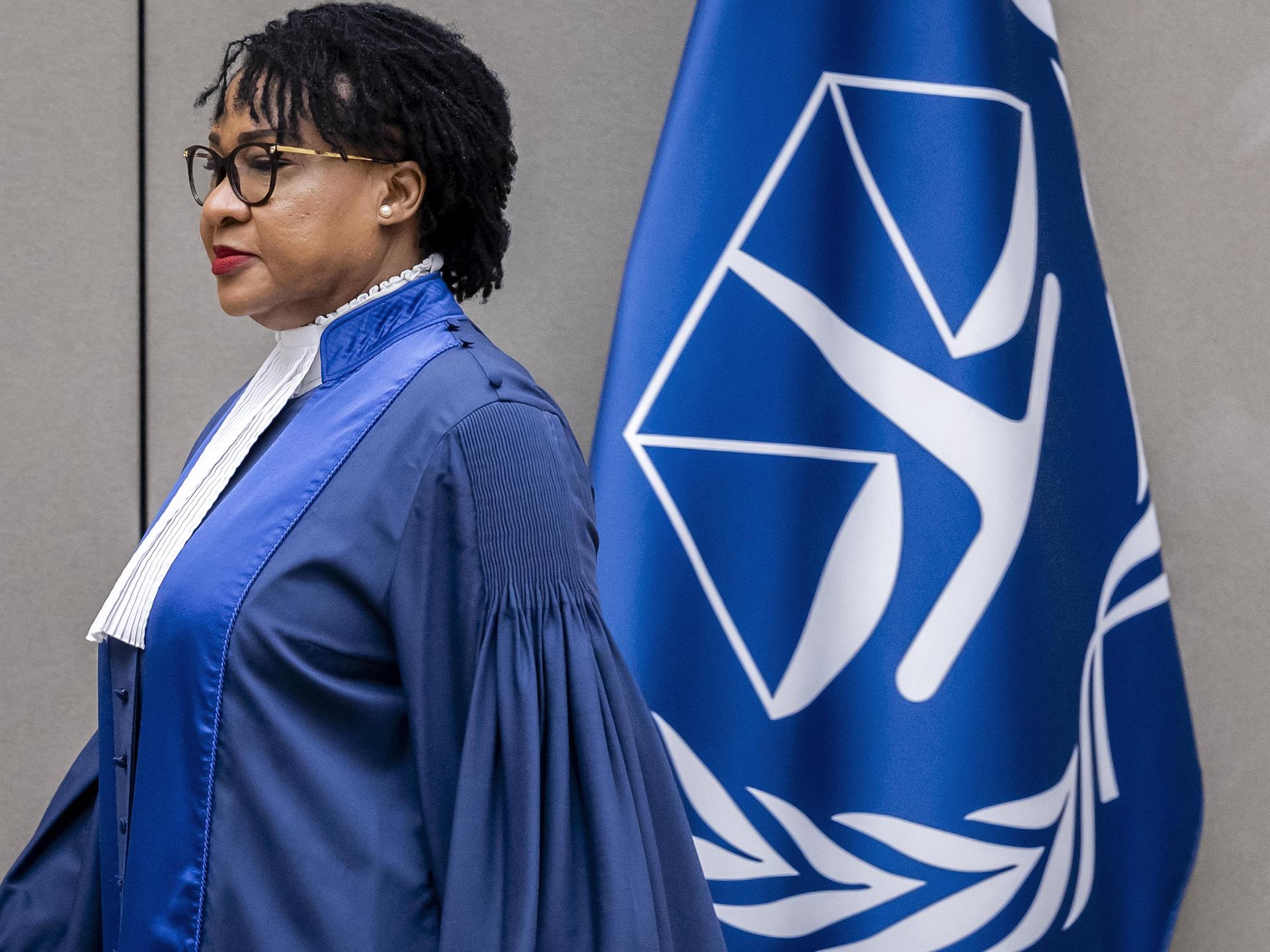
The United States government has taken an unprecedented and aggressive step in its ongoing confrontation with international jurisprudence by imposing direct financial and travel sanctions against the International Criminal Court (ICC). This escalation marks a dramatic intensification of Washington's long-standing hostility toward the Hague-based tribunal, an institution the administration has repeatedly vowed to dismantle. The executive action targets key personnel and seeks to severely restrict the operational resources available to the global judicial body.
At the core of this geopolitical rupture is the ICC's assertion of jurisdictional reach over non-state parties, specifically concerning actions in conflict zones where American military and intelligence personnel have operated. By weaponizing the U.S. financial system and utilizing visa restrictions, Washington aims to create a chilling effect on international prosecutors, investigators, and judges. This strategy seeks to paralyze the tribunal's investigative capacity, transforming a diplomatic disagreement into a direct institutional siege that challenges the foundational architecture of post-World War II international law.
Global Trade & Economic Ripples
While the primary theater of this conflict is judicial and diplomatic, the secondary shockwaves extend directly into global commerce, international finance, and sovereign risk assessments. Multilateral financial institutions, compliance officers, and global banking networks now face complex regulatory dilemmas. Because the sanctions threaten secondary penalties on entities that materially assist the ICC, major international banks operating in multiple jurisdictions must rigorously audit their transaction pathways to avoid violating U.S. compliance mandates.
For global commodity traders and multinational corporations operating in politically sensitive regions, this escalation introduces a volatile layer of legal uncertainty. When the architecture of international law breaks down between major economic superpowers and global regulatory bodies, sovereign risk premiums tend to rise. Investors navigating cross-border trade agreements must now account for a more fractured multilateral environment, where sanctions are increasingly deployed not only as instruments of traditional foreign policy but as tools to contest international institutional legitimacy. This unpredictable regulatory landscape could influence foreign direct investment flows, particularly in emerging markets where resource extraction and geopolitical alignment intersect.
Related Intelligence: Trump Fed Probe Threatens Central Bank Independence and Global Markets
International Reactions & Diplomatic Stances
The response from the global community was swift and deeply polarized. European Union capitals and key traditional allies of the United States expressed profound dismay, issuing joint statements reaffirming their unwavering support for the ICC as an indispensable pillar of international accountability and the rule of law. Diplomats across Western Europe warned that undermining the court weakens the global rules-based order at a time when international norms face unprecedented strain from multiple regional conflicts.
Conversely, geopolitical adversaries and nations critical of Western hegemony viewed the move through the lens of selective international justice, though many expressed alarm over the aggressive assertion of extraterritorial financial power. United Nations leadership reiterated that the ICC must be permitted to execute its mandate free from political interference and coercion. Meanwhile, human rights organizations and international legal associations condemned the sanctions as a direct assault on global justice, warning that it sets a dangerous precedent for authoritarian pushback against independent judicial oversight worldwide.
Strategic Outlook & Future Scenarios
As this standoff evolves, the trajectory points toward heightened diplomatic friction and institutional deadlock. Upcoming international summits and multilateral assemblies will likely become arenas for intense diplomatic maneuvering between Washington and its allies, who find themselves caught between strategic loyalty to the United States and their formal commitments to the Rome Statute.
In the near term, the ICC is expected to face severe administrative and operational hurdles as it attempts to insulate its staff from financial fallout and legal intimidation. However, tribunal leadership has signaled resilience, indicating that investigations will proceed despite the punitive measures. Over the medium to long term, this escalation risks accelerating the fragmentation of international governance, potentially driving a deeper wedge between Western democracies and the broader international community regarding the enforcement of global justice and the supremacy of international law.
Join Our Official WhatsApp Channel
Receive live commodity alerts, policy changes, and commercial intelligence directly on WhatsApp.