
US Imposes Sweeping Sanctions on International Criminal Court
The United States has instituted punitive sanctions against the International Criminal Court, triggering intense geopolitical friction and threatening global regulatory stability.
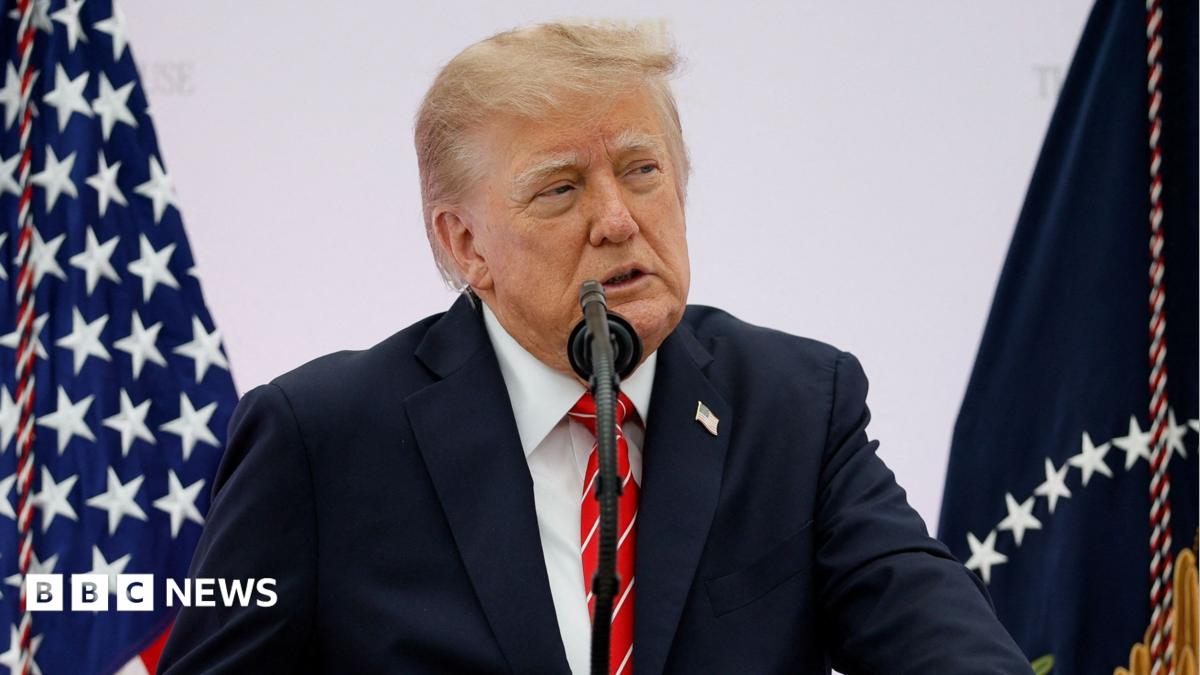
Geopolitical & Core Developments
The United States government has enacted a comprehensive package of sanctions targeting the International Criminal Court (ICC), escalating a protracted diplomatic confrontation over international jurisprudence and state sovereignty. The measures, authorized via executive mechanisms, are explicitly engineered to restrict the tribunal's financial resources, operational capacity, and jurisdictional reach. Washington’s stance centers on the argument that the Hague-based tribunal lacks jurisdiction over non-member states, particularly concerning investigations into actions by US personnel and allied nations such as Israel.
This aggressive policy shift marks a profound escalation in state-level pushback against multilateral judicial bodies. By deploying economic blockades and visa restrictions against court officials, the White House seeks to deter ongoing preliminary examinations and arrest warrant proceedings. Strategic analysts view this move as a critical juncture for international law, testing the resilience of post-World War II global governance structures against the unilateral assertion of national sovereignty by a permanent member of the United Nations Security Council.
Global Trade & Economic Ripples
While ostensibly a legal and diplomatic dispute, the sanctions on the ICC carry latent economic and commercial implications for multinational enterprises, international banking institutions, and global commodity traders. Financial compliance officers across major jurisdictions are currently reassessing risk parameters, as dealing with targeted international bodies or individuals linked to sanctioned entities can trigger secondary compliance liabilities.
In the sphere of global energy markets and cross-border trade, heightened geopolitical friction frequently translates into increased volatility. While direct disruptions to shipping lanes or immediate commodity pricing spikes have not materialized, corporate legal departments are advising caution. International shipping syndicates and commodity brokers operating within Western jurisdictions must navigate complex regulatory mazes where public international law intersects with unilateral domestic sanctions. The erosion of trust in multilateral frameworks can also influence long-term foreign direct investment (FDI) patterns, particularly in emerging markets sensitive to US financial hegemony.
Related Intelligence: US Imposes Crippling Sanctions on International Criminal Court
International Reactions & Diplomatic Stances
International response to the White House decree has been swift and deeply polarized. Leadership at the United Nations expressed profound concern, issuing statements that underscore the necessity of an independent global judiciary to prosecute grave international crimes, including war crimes, crimes against humanity, and genocide. European Union member states, many of which form the bedrock of the ICC's financial and diplomatic support base, released coordinated communiques reaffirming their unwavering commitment to the Rome Statute.
Conversely, geopolitical adversaries and certain non-aligned states are utilizing the diplomatic fallout to highlight perceived double standards in Western applications of international law. Market analysts note that such transatlantic discord weakens the collective Western stance on other critical geopolitical fronts, complicating multilateral consensus on trade sanctions, human rights monitoring, and regional security pacts.
Strategic Outlook & Future Scenarios
Looking ahead, the confrontation between Washington and the ICC sets a precarious precedent for upcoming diplomatic summits and international legal proceedings. As the court attempts to maintain its operational momentum under severe financial constraints, institutional friction is expected to intensify. Upcoming sessions of the Assembly of States Parties will likely focus on emergency funding mechanisms and legal workarounds to shield court personnel from extraterritorial US measures.
Geopolitical escalation points may emerge if the ICC issues high-profile indictments that the United States and its allies actively move to obstruct. For global corporations and market participants, the primary takeaway is an environment of chronic regulatory unpredictability. As the international order shifts toward a more fragmented, multipolar reality, compliance frameworks will demand rigorous vigilance against the backdrop of expanding state-sanctioned retaliatory measures.
Join Our Official WhatsApp Channel
Receive live commodity alerts, policy changes, and commercial intelligence directly on WhatsApp.