
US Lawmakers Push Sanctions Over Israeli E1 Settlement Plan
US lawmakers are advancing sanctions against Israeli officials over the controversial E1 West Bank settlement plan, threatening to deepen regional instability and impact global trade dynamics.
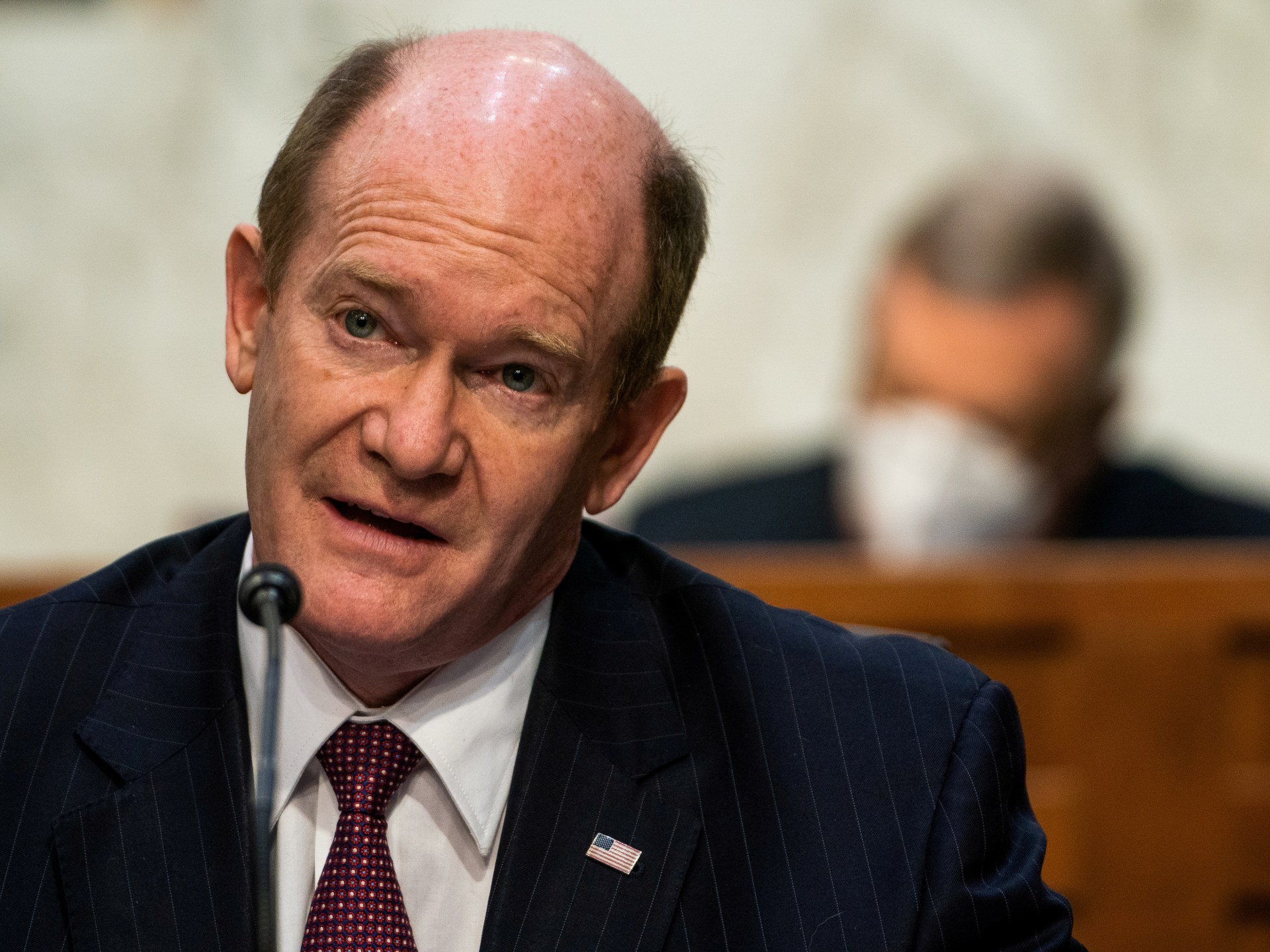
Geopolitical & Core Developments
The introduction of targeted legislative measures by United States lawmakers against Israeli officials marks a critical inflection point in Washington's approach to West Bank settlement expansion. At the center of the diplomatic crisis is the revived 'E1' (East 1) zoning plan, a strategic land corridor connecting Jerusalem to the Ma'ale Adumim settlement. For decades, international diplomats and security analysts have viewed the E1 blueprint as a primary impediment to Palestinian statehood, as its implementation would physically cleave the West Bank into two distinct enclaves.
The legislative push from Capitol Hill follows intense deliberations among foreign policy committees regarding the acceleration of infrastructure projects in sensitive zones. By effectively isolating East Jerusalem from the remainder of the West Bank, the E1 corridor disrupts historical transit routes, alters demographic balances, and challenges decades of established international consensus regarding the status of occupied territories. State actors and multilateral bodies have intensified their scrutiny of these actions, viewing them as a direct challenge to the framework of regional stability established under previous diplomatic accords.
Global Trade & Economic Ripples
While the E1 dispute is fundamentally a territorial and diplomatic controversy, its ramifications extend rapidly into global commodity markets and commercial shipping lanes. The Middle East remains a vital nerve center for international trade, energy supply, and maritime logistics. Heightened political tensions and the prospect of sweeping Western sanctions introduce substantial risk premiums across global energy markets, directly influencing crude oil futures and refined petroleum product pricing.
Furthermore, investor sentiment across regional financial hubs is experiencing heightened volatility. Trade corridors linking the Levant to broader Gulf economies and Mediterranean shipping networks face potential logistical bottlenecks if political fallout precipitates broader economic countermeasures. Multinational corporations operating in the energy, logistics, and infrastructure sectors are actively recalibrating their risk assessments, factoring in the potential for secondary sanctions, disrupted supply chains, and localized currency fluctuations as diplomatic friction escalates between traditional allies.
Related Intelligence: United Nations Faces Existential Crisis Amid Unilateral Global Powers
International Reactions & Diplomatic Stances
The international community has responded to the E1 advancement with profound alarm and widespread condemnation. The United Nations has repeatedly reiterated its position that all settlement activities in the occupied territories are illegal under international law and constitute a severe violation of Fourth Geneva Convention protocols. European Union foreign policy chiefs have similarly warned that unilateral actions threatening contiguous Palestinian land use will prompt a robust diplomatic reconsideration of bilateral trade and cooperation agreements.
Market analysts and geopolitical risk consultancies note that Washington's willingness to entertain punitive measures against specific Israeli administrative bodies signals a subtle yet significant shift in transatlantic alliance management. While traditional diplomatic channels remain open, multilateral bodies emphasize that continued territorial fragmentation undermines the legal and economic frameworks necessary for sustainable regional commerce and foreign direct investment.
Strategic Outlook & Future Scenarios
Looking ahead, the trajectory of the E1 settlement dispute will likely depend on upcoming diplomatic summits, domestic political pressures within the Israeli coalition government, and the legislative momentum behind US sanctions bills. A failure to de-escalate territorial expansion efforts risks triggering a cascade of secondary diplomatic penalties, potentially expanding from targeted individual sanctions to broader trade restrictions and reassessments of multilateral aid packages.
For global investors and supply chain managers, the situation demands continuous monitoring of geopolitical risk indicators. As strategic escalation points emerge across the Middle East, the intersection of territorial sovereignty disputes and international trade security will remain a defining feature of the global macroeconomic landscape.
Join Our Official WhatsApp Channel
Receive live commodity alerts, policy changes, and commercial intelligence directly on WhatsApp.