
US Immigration Authorities Release Detained Kashmiri Filmmaker Arfat Sheikh on Bond
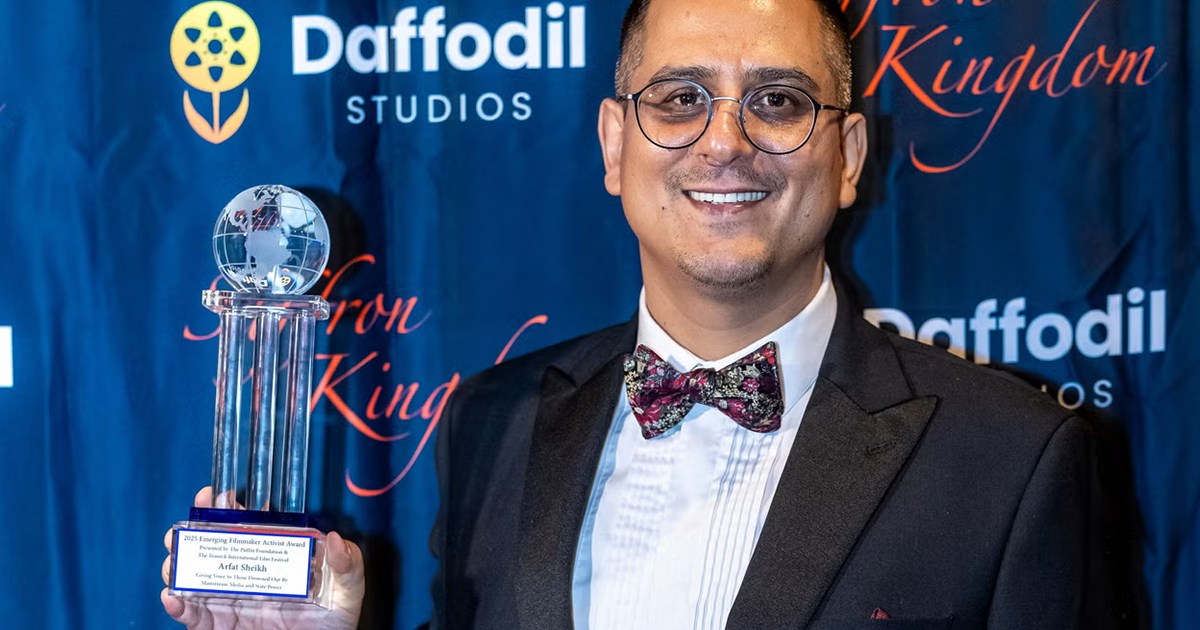
Award-winning Kashmiri filmmaker Arfat Sheikh has been released from US immigration custody on bond, with his next court hearing set for October 27.
Geopolitical & Core Developments
Award-winning Kashmiri filmmaker Arfat Sheikh has been released from the custody of United States Immigration and Customs Enforcement (ICE) on bond, following a high-profile detention that drew international attention last month. Sheikh, whose cinematic works have garnered critical acclaim across international festivals, was held under immigration provisions that sparked immediate concern among global civil liberties organizations and artistic communities. Campaign groups and legal representatives confirmed his provisional release, noting that his next critical immigration hearing has been officially scheduled for October 27.
The detention of a prominent cultural figure from the politically sensitive region of Jammu and Kashmir highlights the complex intersection of transnational migration policies, consular affairs, and international human rights advocacy. While details surrounding the specific administrative triggers for his initial arrest remain tightly restricted by privacy regulations, the case has brought renewed scrutiny to the treatment of foreign artists, journalists, and filmmakers navigating United States immigration frameworks. The upcoming October hearing will serve as a pivotal juncture in determining his legal standing and future mobility within the global cultural exchange ecosystem.
Global Trade & Economic Ripples
While the detention and subsequent release of an individual filmmaker do not exert direct pressure on heavy industrial commodity markets or global energy supply chains, the incident carries significant qualitative implications for the broader creative economy and international talent mobility. The cultural and creative industries represent a multi-billion-dollar sector within global trade, heavily dependent on the unhindered cross-border movement of directors, producers, and creative personnel. Administrative bottlenecks, sudden detentions, and unpredictable immigration enforcement actions introduce systemic friction into international co-productions and festival circuits.
For multinational media conglomerates, independent production houses, and cultural financing institutions, regulatory volatility in major destination markets like the United States raises compliance and operational risks. Talent mobility is a critical component of the intangible economy; any perception that artists face arbitrary administrative detention can deter vital foreign direct investment in cultural projects and disrupt international coproduction agreements. Consequently, global market analysts monitor these legal developments as barometers of the broader regulatory climate governing international human capital and intellectual property exchanges.
Related Intelligence: Brazilian Supreme Court Warrant for Eduardo Bolsonaro Shakes Global Markets
International Reactions & Diplomatic Stances
Global freedom-of-expression organizations, press freedom advocates, and prominent figures within the international cinematic community mobilized swiftly following news of Sheikh's detention last month. Human rights watchdogs emphasized the necessity of protecting artists from politically motivated or heavy-handed administrative actions, warning that unwarranted detentions undermine democratic norms and cultural diplomacy. Multilateral bodies focused on human rights and artistic freedom have reiterated calls for transparency and adherence to due process in immigration proceedings involving cultural workers.
While official diplomatic channels from foreign governments have remained largely circumspect, preferring to handle individual consular cases through quiet diplomatic engagement, the case has intensified debates regarding the harmonization of immigration policies with international human rights obligations. Legal analysts underscore that the high visibility of Sheikh's case ensures continued scrutiny from transnational watchdogs, placing pressure on immigration courts to administer transparent and equitable proceedings during the upcoming October review.
Strategic Outlook & Future Scenarios
As the legal process enters its next phase ahead of the October 27 hearing, the overarching trajectory of Sheikh's case remains contingent upon upcoming administrative rulings and immigration court deliberations. The proceedings will serve as an important test case for the legal protections afforded to international artists operating within the United States jurisdiction. A favorable resolution could reassure the global creative community regarding due process protections, whereas prolonged legal uncertainty may continue to chill international artistic collaboration.
Looking forward, global advocacy networks are expected to maintain rigorous oversight of the October hearing, leveraging public awareness to advocate for permanent legal resolutions. For international trade and cultural exchange stakeholders, the episode underscores the imperative for robust legal compliance frameworks and heightened awareness of regulatory risks when deploying creative talent across international borders.
Join Our Official WhatsApp Channel
Receive live commodity alerts, policy changes, and commercial intelligence directly on WhatsApp.