
US Hispanic Voter Shift Threatens Republican Midterm Prospects
Declining approval ratings among Hispanic voters for Donald Trump ahead of the US midterms signal a potential realignment in domestic politics with broad implications for international trade policy.
Geopolitical & Core Developments
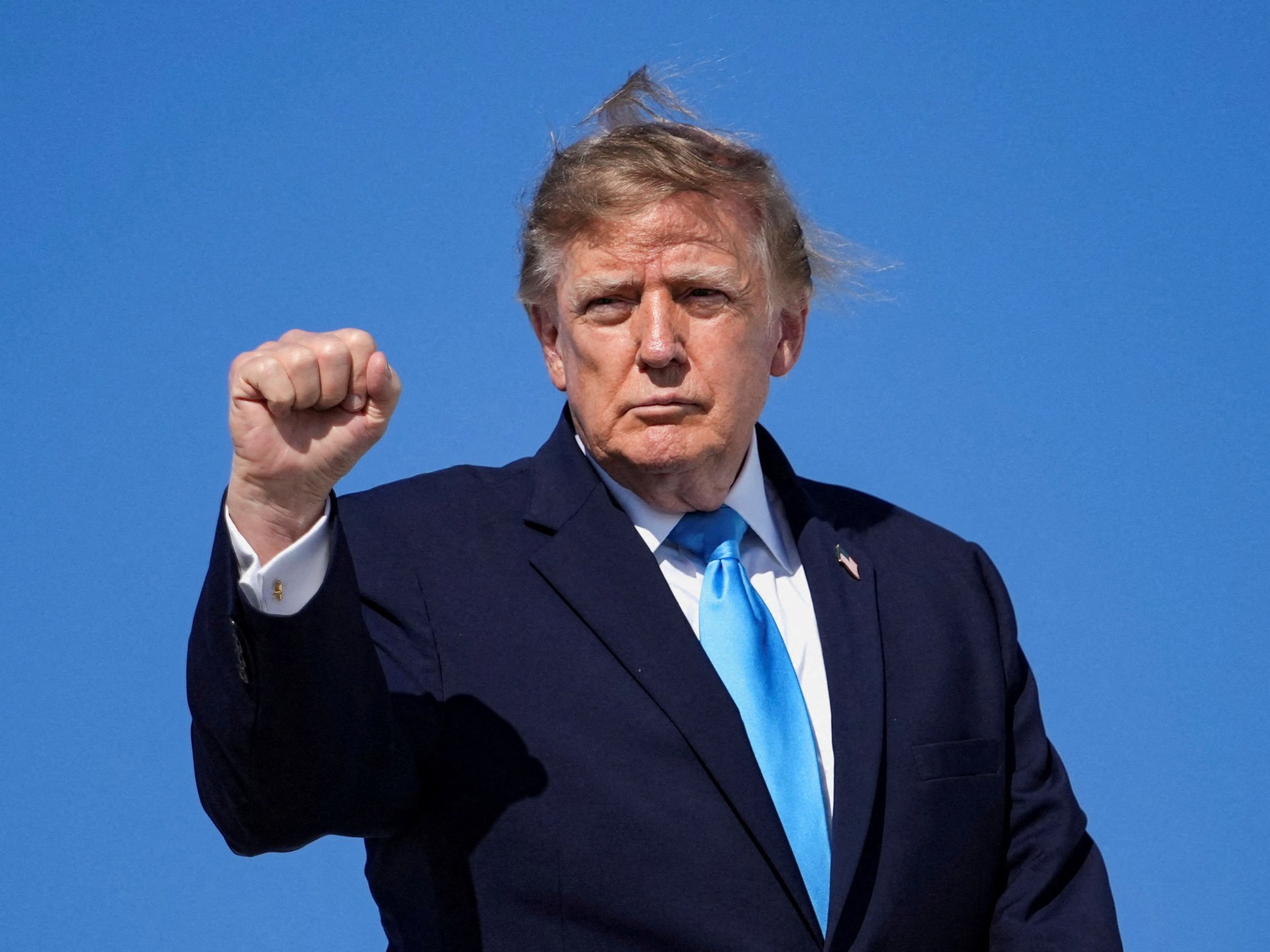
Recent polling data reveals a significant downturn in approval ratings for Donald Trump among the United States Hispanic demographic, presenting acute strategic vulnerabilities for the Republican Party as the midterm elections approach. According to comprehensive metrics originating from Al Jazeera, Hispanic voters currently demonstrate a preference for the Democratic Party at a rate twice that of their support for Republican contenders. This widening demographic divide underscores a crucial vulnerability in regions traditionally contested by both political factions, particularly across the Sun Belt and critical swing states where Latino electorates hold decisive sway.
The domestic realignment carries profound consequences for the legislative balance in Washington. State actors, international observers, and foreign policy establishments monitor these domestic electoral shifts closely, as the composition of the United States Congress dictates the trajectory of executive trade agreements, immigration frameworks, and foreign aid allocations. The erosion of core support blocks necessitates a recalibration of campaign strategies for conservative candidates, forcing a renewed focus on economic messaging, inflation mitigation, and border security narratives designed to regain traction among working-class Hispanic communities.
Global Trade & Economic Ripples
While electoral dynamics primarily manifest within domestic political boundaries, the macroeconomic ramifications of shifting American political power extend directly into global commodity markets, supply chains, and international trade corridors. Changes in congressional majorities routinely alter regulatory oversight concerning energy production, cross-border commerce with Latin America, and tariff policies affecting major trading partners. Global energy markets, agricultural commodity flows, and manufacturing supply chains dependent on stable United States trade policies factor potential legislative shifts into long-term hedging strategies.
Furthermore, currency values and foreign direct investment streams across the Americas are acutely sensitive to shifts in United States trade posture. A legislative shift toward Democratic control typically signals a continuation of multilateral engagement paired with targeted environmental and labor standards embedded within trade pacts. Conversely, Republican strength often emphasizes bilateral leverage and protectionist tariffs. International commodity traders and institutional investors must therefore analyze these voter sentiment indicators as early warning signals for potential regulatory pivots that could influence everything from petroleum exports to agricultural futures.
Related Intelligence: West Bank Escalation Threatens Wider Middle East Stability and Trade
International Reactions & Diplomatic Stances
Global capitals and multilateral institutions have observed the shifting American electoral landscape with heightened attention, recognizing that domestic political volatility in Washington directly impacts international treaties and geopolitical stability. Diplomatic delegations stationed in Washington have intensified their outreach to both Democratic and Republican congressional offices, seeking to secure bipartisan assurances regarding ongoing security commitments and trade agreements, regardless of midterm outcomes.
Market analysts and economic think tanks have issued advisory notes highlighting the potential divergence in foreign economic policy resulting from altered voter alignments. International bodies, including trade organizations and financial stabilization agencies, note that shifts in domestic voter demographics often compel political parties to adopt more populist or protectionist stances to secure crucial voting blocs. Consequently, foreign ministries across Latin America, Europe, and Asia are contingency-planning for potential legislative gridlock or abrupt policy reversals stemming from the November ballot outcomes.
Strategic Outlook & Future Scenarios
As the midterm elections draw nearer, both political parties are projected to inject substantial capital into targeted outreach campaigns aimed at securing the Hispanic vote. The success or failure of these initiatives will not only determine the legislative majority in Congress but also establish the baseline political environment for the subsequent presidential election cycle. Geopolitical risk assessors anticipate heightened political polarization, which may temporarily paralyze legislative action on major international trade pacts and foreign assistance bills.
Upcoming diplomatic summits and international trade negotiations will unfold against the backdrop of this domestic political contest. Foreign leaders engaging with Washington must navigate an environment where domestic electoral imperatives frequently supersede long-term multilateral objectives. Ultimately, the trajectory of United States foreign policy, global trade negotiations, and commodity market stability will remain inextricably linked to the evolving preferences of the American electorate, making the ongoing demographic shift among Hispanic voters a pivotal variable in the global geopolitical calculus.
Join Our Official WhatsApp Channel
Receive live commodity alerts, policy changes, and commercial intelligence directly on WhatsApp.