
US Detention of Kashmiri Filmmaker Sparks International Free Expression Concerns
The detention of Kashmiri filmmaker Arfat Sheikh by US immigration authorities has triggered widespread alarm among international human rights advocates and press freedom organizations.
Geopolitical & Core Developments
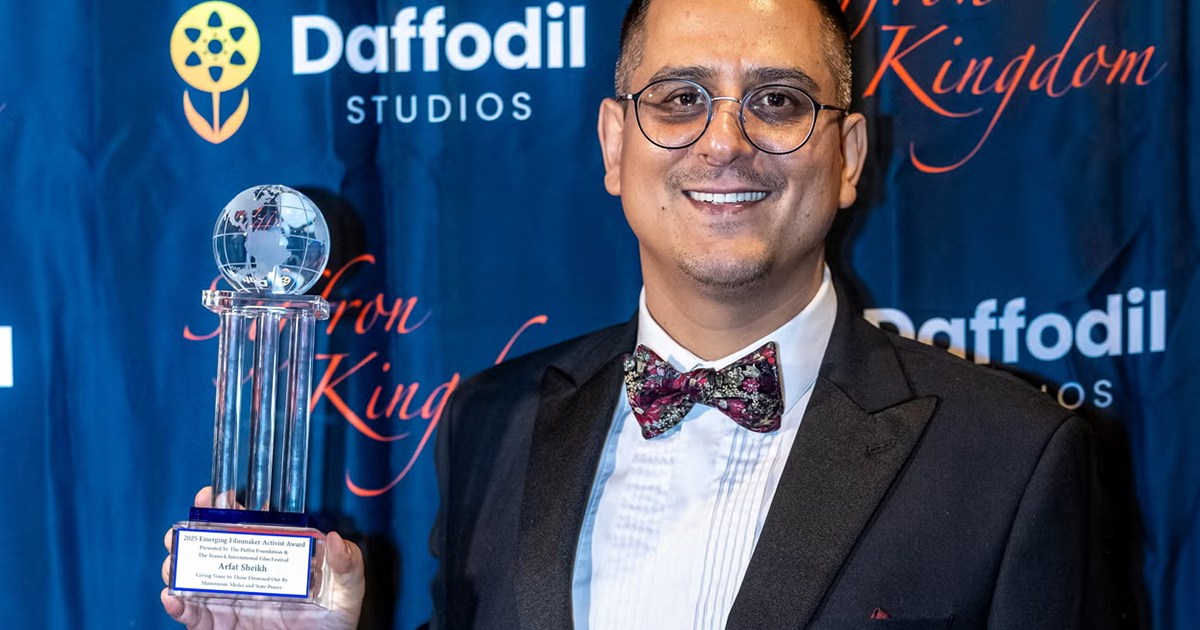
The detention of Kashmiri filmmaker Arfat Sheikh by United States Immigration and Customs Enforcement (ICE) at Washington Dulles International Airport on September 24 has brought renewed international scrutiny to the intersection of immigration enforcement, geopolitical sensitivities, and creative freedom. Sheikh, known for his incisive documentary work exploring cultural and sociopolitical dynamics in the disputed Himalayan region of Jammu and Kashmir, was reportedly taken into custody upon arrival for scheduled screenings and media engagements across the United States. Advocacy organizations, including prominent press freedom watchdogs and civil liberties coalitions, immediately mobilized to demand transparency regarding the legal grounds for his apprehension and continued detention. The arrest has cast a spotlight on the administrative protocols governing the entry of artists and independent journalists from politically sensitive conflict zones into Western democracies, raising urgent questions regarding potential external diplomatic pressures, bureaucratic overreach, and the safeguarding of international cultural exchange.
[Global Trade](/news/west-bank-dispossession-accelerates-global-trade-security-risks) & Economic Ripples
While the detention of an individual independent filmmaker does not directly disrupt physical supply chains or core commodity trading corridors such as energy, agriculture, or base metals, it carries substantive implications for the burgeoning global creative economy and international talent mobility. The modern globalized economy increasingly relies on the frictionless cross-border exchange of intellectual property, media productions, and cultural capital. Incidents that disrupt the international travel of creators, journalists, and media entrepreneurs introduce compliance uncertainties and regulatory friction for multinational media conglomerates, academic institutions, and cultural organizations. Furthermore, heightened scrutiny on visa adjudications and border detentions for professionals originating from contested geopolitical regions can deter vital cross-border investments in media production, digital infrastructure, and collaborative cultural industries, ultimately impacting the broader service-sector trade matrix between South Asia and North America.
Related Intelligence: Three Years After October 7: Israel's Political Shift and Global Market Impacts
International Reactions & Diplomatic Stances
Global civil society organizations, international press freedom networks, and human rights bodies have issued strong condemnations following the confirmation of Sheikh's detention. Organizations specializing in the protection of journalists at risk have emphasized that detaining documentary filmmakers without transparent justification sets a dangerous precedent for artistic expression and journalistic integrity globally. Meanwhile, diplomatic channels between Washington and regional capitals remain watchful as legal representatives push for immediate consular access and a comprehensive review of Sheikh's immigration status. Legal analysts note that while sovereign states retain broad discretionary authority over border security and visa enforcement, the arbitrary detention of accredited cultural figures risks undermining diplomatic narratives centered on the global defense of human rights, freedom of speech, and the protection of independent press corps operating in volatile environments.
Strategic Outlook & Future Scenarios
Looking ahead, the resolution of Arfat Sheikh's case will likely serve as a critical benchmark for how immigration and security agencies handle high-profile cultural figures from politically sensitive regions. If legal advocacy results in his swift release and a transparent review of border entry policies, it could alleviate growing anxieties within the international artistic and journalistic communities. Conversely, prolonged detention without clear public justification risks hardening diplomatic sensitivities, inviting retaliatory regulatory measures, and provoking sustained protests from international human rights coalitions. As upcoming international summits and global media forums approach, policymakers will face mounting pressure to harmonize national security protocols with robust protections for international media freedom and talent mobility, ensuring that geopolitical disputes do not unduly penalize independent cultural practitioners.
Join Our Official WhatsApp Channel
Receive live commodity alerts, policy changes, and commercial intelligence directly on WhatsApp.