
US and Australia Suspend Brazil Operations Ahead of Tense Election
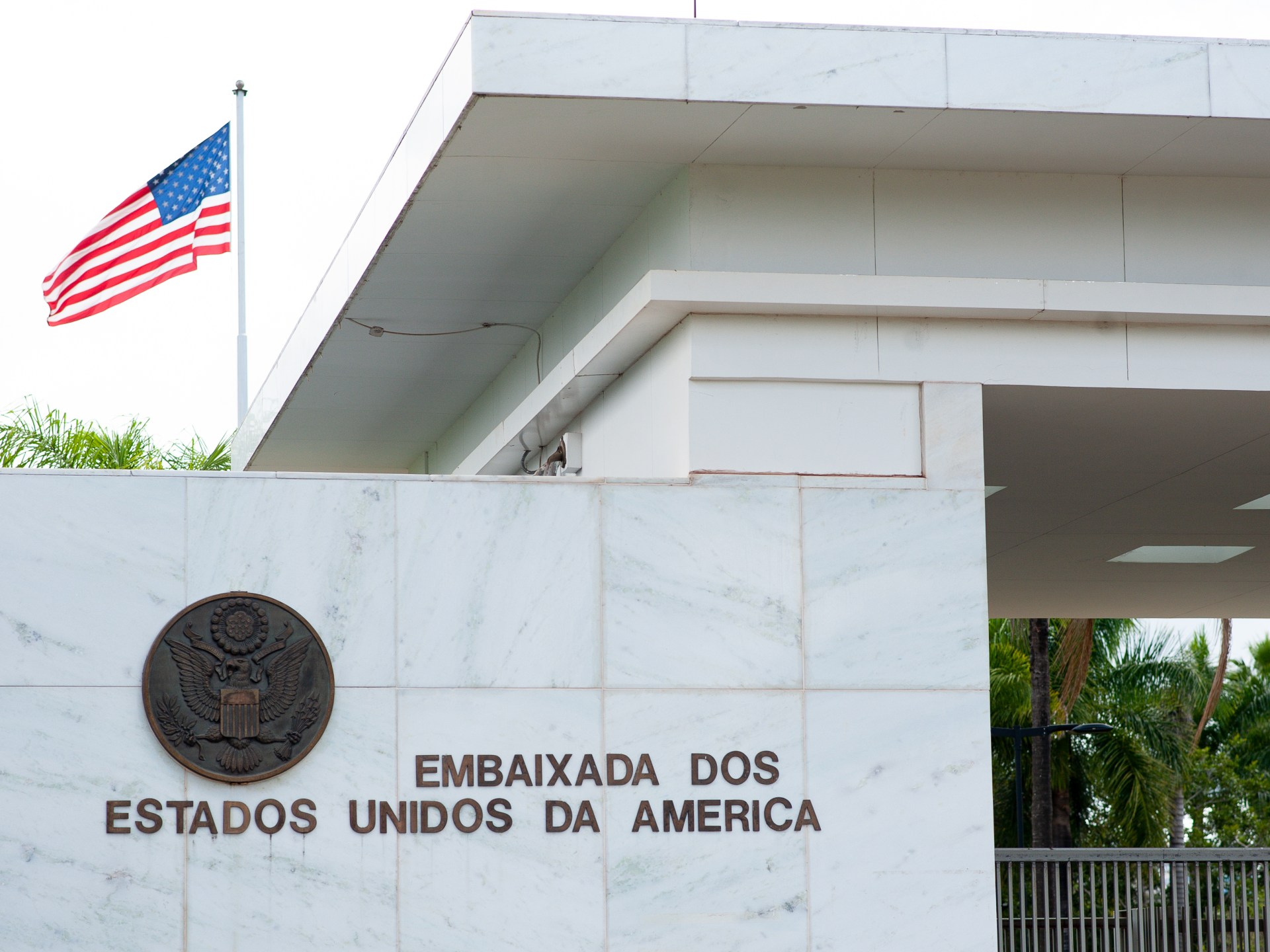
The United States and Australia have temporarily suspended diplomatic operations in Brazil citing severe security threats ahead of a pivotal national election.
Geopolitical & Core Developments
In an extraordinary diplomatic measure, the governments of the United States and Australia have announced the temporary suspension of routine diplomatic operations across their respective embassies and consular outposts in Brazil. The unprecedented move comes in response to concrete intelligence regarding escalating security threats as the South American giant approaches a deeply polarized national election. Intelligence briefings reviewed by Western security agencies indicate a heightened risk of politically motivated violence, coordinated civil unrest, and potential targeting of foreign missions.
Brazil, the region's largest economy and geopolitical anchor, has experienced a volatile electoral cycle characterized by intense rhetoric, institutional friction, and deep societal divisions. The decision by Washington and Canberra to draw down non-essential personnel underscores the gravity of the threat environment. While embassies maintain emergency communication channels for their respective citizens residing in Brazil, standard visa processing and commercial diplomacy services have been frozen indefinitely until security conditions stabilize following the electoral outcome.
[Global Trade](/news/canada-labor-overhaul-trade-supply-chain-concerns) & Economic Ripples
Beyond the immediate diplomatic fallout, the suspension of normal consular and trade-promotion functions in Latin America's primary economic engine introduces friction into global supply chains and cross-border commerce. Brazil remains a critical node in international trade networks, serving as a premier global exporter of agricultural commodities, including soybeans, beef, and coffee, as well as vital industrial minerals and energy products.
Market analysts and commodity traders are closely monitoring the situation for potential disruptions to export licensing, customs clearance delays, and trade negotiations. Any prolonged political instability or administrative paralysis in Brasilia risks unsettling investor confidence, causing short-term volatility in the Brazilian Real, and impacting international shipping lanes operating out of major Brazilian ports such as Santos and Paranagua. Global corporations with substantial exposure to South American markets are currently activating contingency protocols to safeguard personnel and maintain supply continuity.
Related Intelligence: Yemeni Conflict Escalation Threatens Global Maritime Security and Energy Flows
International Reactions & Diplomatic Stances
Multilateral bodies and regional governments have responded with cautious concern to the Western diplomatic retreat. Spokespersons for the United Nations emphasized the importance of upholding democratic norms, institutional integrity, and the safety of all diplomatic personnel operating within sovereign territories. Neighboring South American nations have urged calm, expressing confidence in the resilience of Brazilian democratic institutions while acknowledging the unique security challenges of the current political climate.
Meanwhile, international trade associations have called on governments to ensure that critical commercial channels remain open despite the diplomatic scaling down. Financial institutions in New York and London have issued advisory notes to institutional investors, advising heightened risk assessments for emerging market portfolios with heavy weighting in Brazilian assets until the electoral process reaches a definitive and peaceful conclusion.
Strategic Outlook & Future Scenarios
As Brazil stands at this critical political crossroads, the trajectory of its foreign relations and domestic stability will depend heavily on the peaceful administration and acceptance of the election results. If the transition of power proceeds without major disruption, foreign missions are expected to resume full diplomatic and commercial operations swiftly, reassuring global markets and restoring normal bilateral channels.
Conversely, protracted electoral disputes or widespread civil unrest could trigger prolonged diplomatic curtailments, prompting further capital flight and reassessments of foreign direct investment in the region. Upcoming regional summits and bilateral trade forums will serve as key barometers for measuring how quickly diplomatic normalcy can be restored between Brasilia and its primary Western partners.
Join Our Official WhatsApp Channel
Receive live commodity alerts, policy changes, and commercial intelligence directly on WhatsApp.