
Latin America Shifts Alignment Toward China as US Influence Recedes
A comprehensive regional survey indicates that Latin American nations increasingly view China's global influence more favorably than that of the United States, signaling a major geopolitical shift.
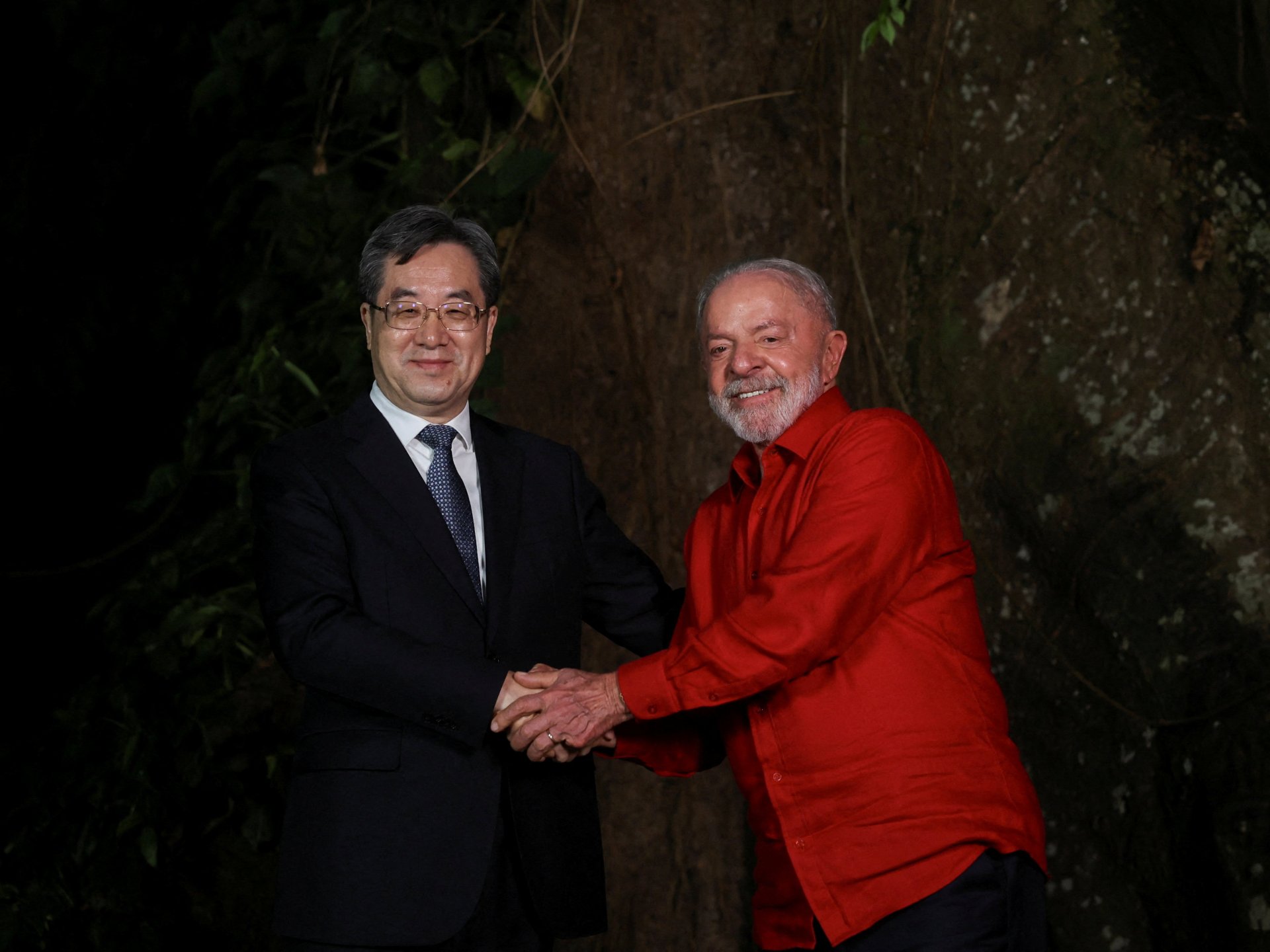
Geopolitical & Core Developments
The geopolitical architecture of the Western Hemisphere is undergoing a profound structural realignment, as evidenced by the findings of the latest annual Latinobarometro survey. The comprehensive poll reveals a striking divergence in public and institutional perceptions between the two global superpowers. While views of Beijing's diplomatic and economic footprint across Latin America have steadily improved, perceptions of Washington's regional influence have experienced a noticeable downward trajectory. This perceptual shift is not merely a transient sentiment; it reflects decades of intensifying commercial diplomacy, targeted infrastructure financing, and strategic engagement by Beijing across South and Central America. Historically considered within the traditional sphere of influence of the United States, Latin American capitals are increasingly exercising strategic autonomy, diversifying their international partnerships, and engaging deeply with multilateral initiatives such as the Belt and Road Initiative. The decline in US soft power correlates with perceptions of inconsistent diplomatic engagement and domestic political polarization within North America, creating a vacuum that Chinese statecraft has moved decisively to fill.
Global Trade & Economic Ripples
The commercial implications of this diplomatic realignment extend directly into global commodity markets, supply chain logistics, and international trade flows. Latin America remains a powerhouse supplier of critical raw materials, including copper from Chile and Peru, lithium from the so-called Lithium Triangle, and massive agricultural exports of soybeans and iron ore from Brazil and Argentina. China's insatiable demand for these strategic commodities has positioned Beijing as the primary trading partner for much of the continent, eclipsing the United States in numerous bilateral relationships. Beyond raw resource extraction, Chinese state-owned enterprises have heavily financed and constructed deep-water ports, logistics hubs, and transportation corridors across the region. These developments are reshaping maritime shipping lanes and reducing transit times for trans-Pacific commerce. Furthermore, currency swaps and bilateral trade agreements denominated in local currencies or renminbi are gradually challenging traditional dollar-dominated trade frameworks, introducing new dynamics into foreign exchange markets and altering the macroeconomic exposure of emerging market economies.
International Reactions & Diplomatic Stances
The shifting sentiment in Latin America has triggered acute strategic assessments in Western capitals, multilateral financial institutions, and global geopolitical think tanks. Washington policymakers have expressed mounting concern over the expansion of critical infrastructure projects under Chinese oversight, citing potential dual-use vulnerabilities in telecommunications, deep-water port facilities, and space monitoring stations established across the region. Conversely, officials in Beijing have framed their Latin American engagement strictly through the lens of South-South cooperation, mutual economic benefit, and non-interference in sovereign domestic affairs. Meanwhile, regional governments maintain a pragmatic balancing act, eager to secure foreign direct investment and infrastructure financing from all available global sources without being forced into a rigid zero-sum geopolitical alignment between Washington and Beijing. International trade analysts note that this multipolar flexibility grants Latin American negotiators unprecedented leverage in bilateral and multilateral diplomatic forums.
Strategic Outlook & Future Scenarios
Looking toward the medium and long-term horizon, the trajectory of geopolitical influence in Latin America will likely hinge on the scale of economic stimulus, trade concessions, and technological partnerships offered by both major powers. Upcoming regional summits, multilateral trade negotiations, and potential adjustments to US and Chinese foreign assistance frameworks will serve as crucial barometers for the region's diplomatic alignment. As global competition intensifies over critical energy transition minerals, Latin America's vast reserves will make it a primary theater for great power rivalry. Should current trends persist, Beijing's commercial entrenchment will likely solidify, permanently altering the hemispheric balance of power and compelling Washington to fundamentally recalibrate its Latin American foreign policy strategy to counter the erosion of its traditional hegemony.
Join Our Official WhatsApp Channel
Receive live commodity alerts, policy changes, and commercial intelligence directly on WhatsApp.