
Gaza City Strike Escalates Regional Tensions and Commodity Volatility
An unannounced Israeli airstrike in Gaza City's crowded Remal district kills at least five, intensifying regional geopolitical risks and rattling global energy and commodity markets.
Geopolitical & Core Developments
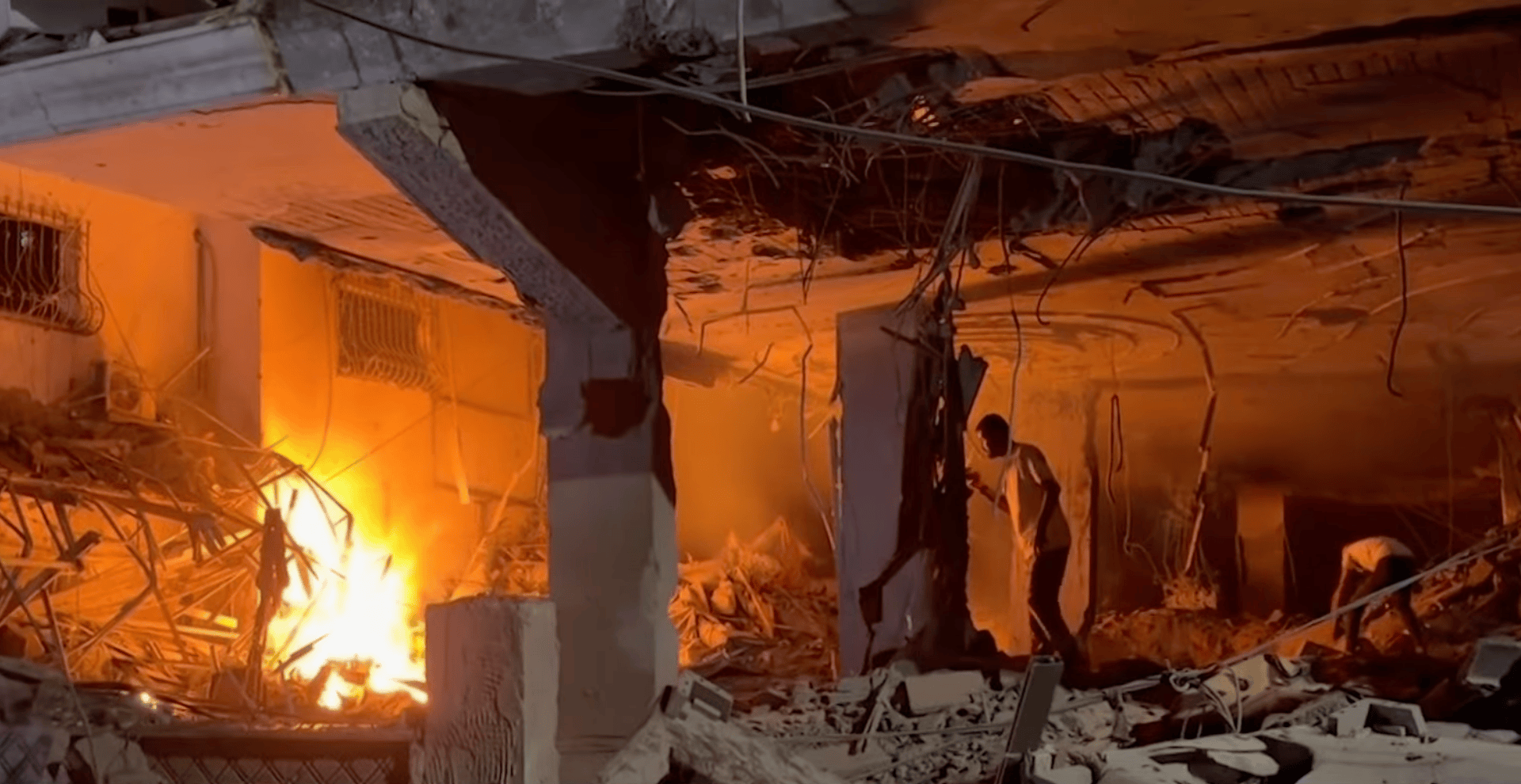
A lethal, unannounced Israeli airstrike targeting a residential apartment in the densely populated Remal neighborhood of Gaza City has resulted in the deaths of at least five civilians, intensifying an already volatile military campaign. The attack, executed without prior evacuation warnings typical of high-density urban engagements, has drawn sharp scrutiny from humanitarian monitors and regional observers. Remal, long considered a commercial and residential hub within the enclave, has suffered extensive infrastructure degradation over successive months of conflict. This latest escalation underscores the deteriorating security environment for non-combatants trapped in urban centers, as military operations grind forward with limited diplomatic breakthroughs in sight. Strategic command centers in Tel Aviv maintain that operations are calibrated to dismantle militant infrastructure, yet the humanitarian toll continues to complicate broader regional security frameworks and ceasefire negotiations mediated by international partners.
[Global Trade](/news/canada-labor-overhaul-trade-supply-chain-concerns) & Economic Ripples
The persistent escalation of hostilities in the Gaza Strip carries profound implications for global trade, maritime logistics, and commodity pricing. While the localized destruction remains concentrated within the Palestinian territories, the psychological and strategic shockwaves extend directly into international energy corridors. Global crude oil benchmarks experienced immediate upward tick volatility as traders re-priced the perpetual risk of a wider regional conflagration involving key petroleum-producing states in the broader Middle East. Furthermore, ongoing disruptions and heightened threat levels across critical maritime chokepoints, including the Red Sea and adjacent shipping lanes, continue to force commercial carriers into protracted detours around the Cape of Good Hope. These logistical re-routings add sustained upward pressure on global freight rates, prolong transit timelines for manufactured goods and bulk commodities, and ultimately feed inflationary pressures across major importing economies in Europe and Asia.
Related Intelligence: North Korean Missile Launch Shakes Regional Stability and Commodity Markets
International Reactions & Diplomatic Stances
The international community has responded to the latest Gaza City strike with a mixture of urgent diplomatic appeals and deep-seated polarization. Representatives from the United Nations Office for the Coordination of Humanitarian Affairs reiterated deep concerns over the protection of civilians in densely populated urban zones, emphasizing that the absence of warnings violates fundamental tenets of international humanitarian law. Meanwhile, Western capitals have issued measured statements urging restraint while reaffirming Israel's security imperatives, creating a diplomatic stalemate at the UN Security Council. Conversely, regional actors and multilateral bodies across the Middle East have condemned the operation, warning that ongoing military intensification severely undermines multilateral efforts to broker a sustainable cessation of hostilities and severely damages the framework for future regional economic integration and trade normalization agreements.
Strategic Outlook & Future Scenarios
Looking ahead, the trajectory of the conflict points toward prolonged instability with severe ramifications for global commerce and geopolitical alignment. Upcoming diplomatic summits and emergency ministerial meetings face an uphill battle in formulating coherent frameworks for humanitarian access and post-conflict reconstruction. Market analysts at major financial institutions are actively incorporating persistent geopolitical risk premiums into baseline economic forecasts for the remainder of the fiscal year. Should the conflict widen to encompass active northern fronts or critical regional energy infrastructure, global supply chains could face unprecedented bottlenecks, triggering severe corrections in currency markets, sovereign debt yields, and strategic commodity inventories. Policymakers and commercial stakeholders alike are thus advised to maintain high-readiness risk management strategies to navigate an increasingly unpredictable global economic landscape.
Join Our Official WhatsApp Channel
Receive live commodity alerts, policy changes, and commercial intelligence directly on WhatsApp.