
US Air Force Withdraws All Strategic Bombers from RAF Fairford
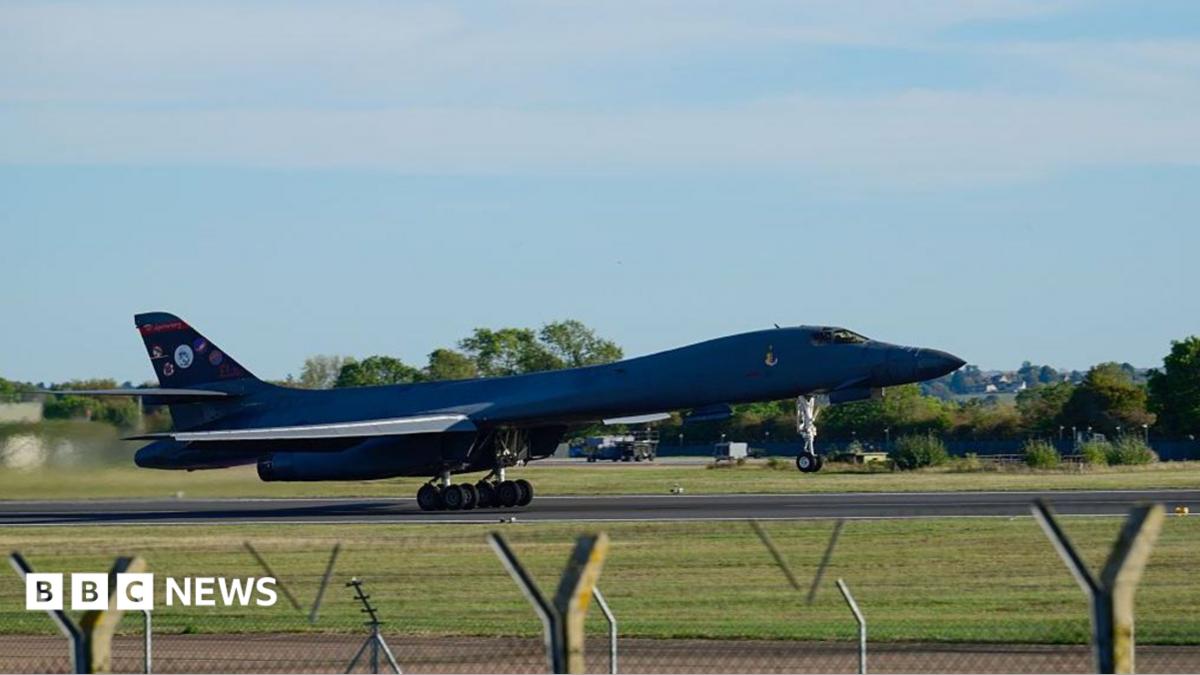
The United States Air Force has recalled all strategic bombers from Britain's RAF Fairford back to continental US stations, shifting transatlantic defense dynamics.
Geopolitical & Core Developments
The United States Air Force has confirmed the complete redeployment of its strategic bomber contingent from Royal Air Force Station Fairford in Gloucestershire, England, back to their designated home stations in the United States. RAF Fairford has long served as a critical forward-operating location for US Air Force global strike capabilities, facilitating rapid deployment across the European and African command theaters. This sudden withdrawal of heavy bomber aircraft marks a significant operational pivot in Western military posture, arriving at a time of heightened geopolitical friction across Eastern Europe and the Middle East. Defense analysts note that while such rotations are periodically scheduled for routine maintenance, crew rest, and home-station training, the total clearance of the base removes a vital visible deterrent asset from the North Atlantic Treaty Organization eastern flank. The absence of these strategic assets alters the immediate tactical calculus for regional allied command structures, prompting intense diplomatic and military assessment across European capitals regarding burden-sharing and continuous deterrence strategies.
Global Trade & Economic Ripples
While military redeployments primarily concern strategic defense, international commodity markets and global supply chains monitor such strategic shifts closely for potential impacts on freight security, defense sector valuations, and regional stability premiums. Strategic airbases like Fairford underpin the broader geopolitical stability necessary for secure maritime trade routes, particularly across the North Atlantic and European logistical corridors. Fluctuations in defense posture often correlate with shifts in sovereign risk assessments, influencing aerospace and defense manufacturing equities as governments recalibrate procurement priorities toward long-range autonomous systems and strategic airlift capabilities. Furthermore, sustained stability in European airspace remains vital for commercial aviation and air-freight corridors transporting high-value goods between North America and European financial centers. Any perception of diminished allied readiness or shifting US burden allocation directly impacts investor sentiment across major commodity exchanges, where risk premiums fluctuate in tandem with geopolitical volatility indices.
Related Intelligence: Ethiopian Forces Retake Mekelle as Renewed Tigray Fighting Threatens Regional Stability
International Reactions & Diplomatic Stances
Military leadership from both the United States and the United Kingdom have emphasized that the redeployment aligns with pre-planned operational schedules and does not signify a permanent degradation of transatlantic defense cooperation. However, diplomatic observers within European multilateral bodies have expressed quiet concern over the timing of the withdrawal, noting potential vulnerabilities during an era of persistent great-power competition. Officials in Brussels and London reiterate that NATO collective defense remains robust, pointing to ongoing multi-domain exercises and rotational deployments elsewhere in the alliance territory. Meanwhile, market analysts and defense contractors are evaluating how the Pentagon's global force-management posture will redistribute assets to Indo-Pacific and European theaters alike, balancing stretched logistics chains against rising global security commitments.
Strategic Outlook & Future Scenarios
Looking ahead, the trajectory of transatlantic security architecture will depend heavily on upcoming bilateral defense reviews and NATO ministerial summits scheduled for later this fiscal year. If the United States pivots increasingly toward dispersed, dynamic force employment models—such as the Agile Combat Employment doctrine—permanent or semi-permanent bomber rotations at strategic hubs like Fairford may become rarer, replaced by unpredictable, short-duration surge operations. This evolving posture requires European allies to enhance their own long-range strike coordination and air-defense integration. Geopolitical escalation points in Eastern Europe and the South China Sea will ultimately dictate whether Washington returns heavy bomber wings to British soil or retains them closer to domestic continental defense perimeters, permanently reshaping Western strategic deterrence frameworks.
Join Our Official WhatsApp Channel
Receive live commodity alerts, policy changes, and commercial intelligence directly on WhatsApp.