
UNSC Condemns Kohat Attack as Security Challenges Threaten Trade
The UN Security Council has strongly condemned the deadly Kohat terrorist attack, highlighting mounting security concerns that threaten economic stability and commercial supply chains across Pakistan.
The Core Development
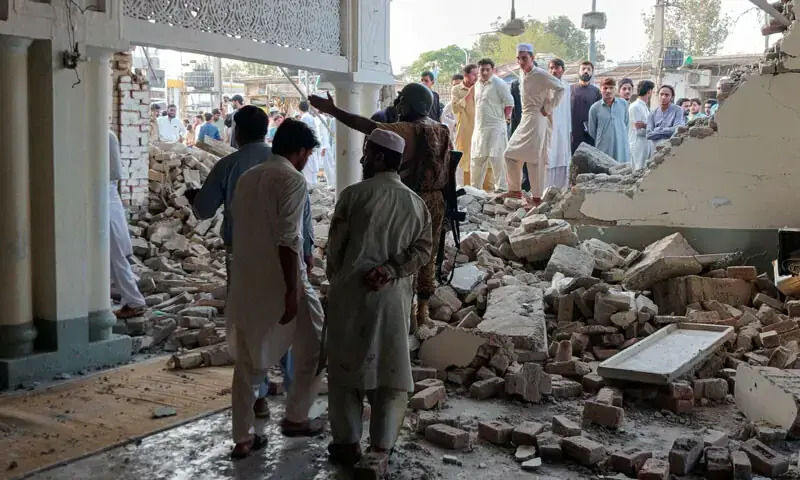
The United Nations Security Council (UNSC) has issued a unequivocal condemnation of the devastating terrorist attack that struck Khyber Pakhtunkhwa's Kohat district on September 18. The assault, categorized by international monitors as a heinous and cowardly act, resulted in the tragic loss of 23 lives, comprising 17 dedicated police personnel and six civilians. The meticulously planned, two-pronged attack unfolded during Friday prayers when terrorists detonated an explosives-laden vehicle near a mosque located within the old Police Lines compound. Following the initial blast, heavily armed assailants stormed the facility, engaging security forces in an intense firefight. According to reports from the Khyber Pakhtunkhwa Police, prompt retaliatory action by law enforcement and security forces successfully neutralized eight of the attackers, preventing an even greater catastrophe. In an official statement delivered by Council President Jérôme Bonnafont of France, UNSC member states extended their deepest sympathies and condolences to the bereaved families while demanding absolute accountability for both the perpetrators and their financial or logistical sponsors.
Commercial & Economic Implications
While the immediate human cost remains immeasurable, the ongoing escalation of security incidents in vital frontier regions carries profound ramifications for Pakistan's broader economic architecture. Khyber Pakhtunkhwa serves as a critical transit corridor for domestic and regional commerce, linking major manufacturing hubs with lucrative Central Asian trade routes. Persistent security instability directly disrupts wholesale distribution networks, delays freight transport, and inflates logistics costs for regional businesses. Retail traders and local markets in Kohat and surrounding districts face immediate disruptions, characterized by reduced foot traffic, temporary closures, and heightened operational risks. Furthermore, recurring violence undermines investor confidence at a delicate juncture when Pakistan's macroeconomic stabilization program requires robust foreign and domestic capital formation. Supply chain bottlenecks driven by enhanced security checkpoints and potential transport restrictions inevitably exert upward pressure on commodity prices, exacerbating inflationary pressures on consumers already grappling with high utility and fuel costs.
Related Intelligence: UNGA High-Level Debate Highlights Deepening Geopolitical Fault Lines and Trade Realities
Stakeholder Perspectives & Market Reactions
Business councils, trade associations, and industrial bodies have expressed grave concern over the deteriorating security paradigm, warning that sustained unrest stifles economic recovery. Representatives from major chambers of commerce in the province have called upon federal and provincial authorities to implement comprehensive protective frameworks for commercial transit corridors and industrial zones. Legal experts and policy analysts emphasize that international bodies like the UNSC highlighting Pakistan's security challenges underscores the urgent need for structural counter-terrorism measures coupled with robust intelligence-led operations. Public response has been characterized by profound grief for the fallen security personnel and civilians, accompanied by persistent demands for systemic accountability and enhanced institutional resilience to dismantle terrorist networks permanently.
Forward Outlook & Key Watchpoints
As federal authorities evaluate the intelligence findings surrounding the Kohat assault, key stakeholders will closely monitor policy enforcement and the deployment of enhanced security protocols across high-risk districts. Timelines for upcoming regional infrastructure projects and trade corridor expansions will depend heavily on the state's capacity to establish durable security. Analysts will be watching for tangible shifts in counter-terrorism funding, intelligence-sharing mechanisms, and bilateral cooperation to trace and dismantle the financial sponsors referenced by the UNSC. Restoring absolute security remains an indispensable prerequisite for safeguarding Pakistan's commercial vitality, stabilizing retail markets, and ensuring sustainable long-term economic growth.
Join Our Official WhatsApp Channel
Receive live commodity alerts, policy changes, and commercial intelligence directly on WhatsApp.