
UNGA High-Level Debate Highlights Deepening Geopolitical Fault Lines and Trade Realities
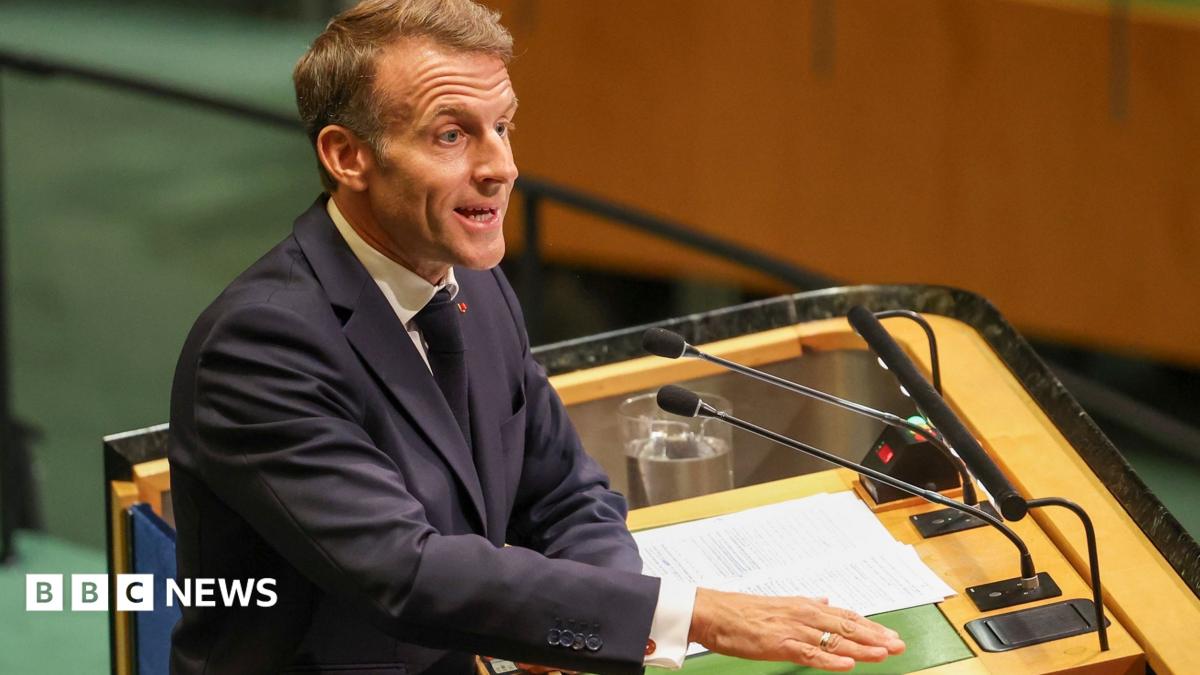
Global delegations gathered at the United Nations General Assembly in New York, where intense diplomatic confrontations and strategic deals underscored mounting pressures on international trade and security.
Geopolitical & Core Developments
The annual high-level gathering of the United Nations General Assembly in New York has once again served as a high-stakes crucible for international diplomacy, bringing together heads of state, foreign ministers, and global delegations against a backdrop of compounding geopolitical crises. This year's proceedings were characterized by starkly polarized rhetoric, intense bilateral negotiations behind closed doors, and passionate appeals from nations caught in the crossfire of great power competition. State actors utilized the global stage not only to project national power and outline security red lines but also to forge pragmatic, transactional deals designed to secure tactical advantages in an increasingly fragmented international order.
The diplomatic exchanges highlighted a deepening erosion of consensus on key security frameworks. Traditional alliances faced internal friction as nations from the Global South demanded greater agency in reshaping global governance structures. The timeline of speeches revealed a widening chasm between Western industrialized economies advocating for strict adherence to rules-based international orders and emerging powers pushing for a multipolar architecture that accommodates alternative financial and security arrangements. Strategic stakes remain exceptionally high, with regional conflicts threatening to spill over into broader international confrontations, directly involving critical transit chokepoints and resource-rich territories.
Global Trade & Economic Ripples
The geopolitical posturing at UNGA immediately reverberated across global commodity markets, energy trading desks, and international supply chains. Crude oil benchmarks experienced heightened intraday volatility as statements from major petroleum-producing nations signaled potential shifts in production quotas and export strategies. Traders are closely monitoring how diplomatic friction between major economic blocs might translate into fresh trade restrictions, secondary sanctions, or the weaponization of critical mineral supply chains.
International shipping lanes and maritime logistics are also feeling the commercial impact of heightened security anxieties discussed in New York. With key maritime corridors subject to elevated threat levels, marine insurers have adjusted risk premiums, driving up freight rates for dry bulk and containerized cargo alike. Currency markets reflected investor nervousness, with safe-haven assets experiencing inflows while emerging market currencies faced downward pressure against the US dollar. Global corporations are accelerating their supply chain diversification strategies, moving away from centralized manufacturing hubs toward regionalized networks to insulate themselves against sudden geopolitical shocks and tariff escalations.
Related Intelligence: Trump Endorses Burnham After New York Summit Amid Chagos Criticism
International Reactions & Diplomatic Stances
Official pronouncements from the United Nations leadership struck a sobering note, with the Secretary-General warning that the international community is drifting toward unmanageable fragmentation. Multilateral bodies, including the International Monetary Fund and the World Trade Organization, used the margins of the summit to release data highlighting the corrosive economic costs of rising protectionism and trade fragmentation. These institutions cautioned that unilateral trade barriers and industrial subsidies threaten to derail global disinflation efforts and suppress long-term capital investment.
National governments offered divergent perspectives on the path forward. European delegations emphasized the necessity of reinforcing collective security and maintaining unified sanctions regimes against aggressor states. Conversely, representatives from developing economies voiced profound frustration over unequal access to concessional financing and climate adaptation funds, arguing that great power rivalries are diverting essential financial resources away from sustainable development goals. Market analysts tracking the summit noted that corporate leaders are increasingly discounting optimistic diplomatic communiques, focusing instead on hard regulatory signals and legislative measures emerging from national capitals.
Strategic Outlook & Future Scenarios
As delegations depart New York, the diplomatic focus pivots toward upcoming multilateral summits, including the G20 leaders' summit and the COP climate conference, where these competing economic and security agendas will be further contested. The trajectory of global commodity markets will largely depend on whether backchannel diplomacy can yield stabilization agreements in key producing regions or if geopolitical posturing hardens into prolonged trade conflicts.
Looking ahead, risk management will remain paramount for multinational enterprises and sovereign wealth funds alike. Analysts project that upcoming sanction packages and regulatory interventions targeting technology transfers and green energy supply chains will reshape competitive landscapes across multiple sectors. Unless major powers establish robust de-confliction channels, the international economic system will likely settle into a permanent state of managed fragmentation, characterized by higher operational costs, redundant supply chains, and persistent macroeconomic uncertainty.
Join Our Official WhatsApp Channel
Receive live commodity alerts, policy changes, and commercial intelligence directly on WhatsApp.