
UNIFIL Position Fired Upon as Lebanon Border Tensions Test Global Markets
UN peacekeepers in Lebanon reported small arms fire targeting a border post, heightening geopolitical anxieties and threatening broader commodity supply chains.
Geopolitical & Core Developments
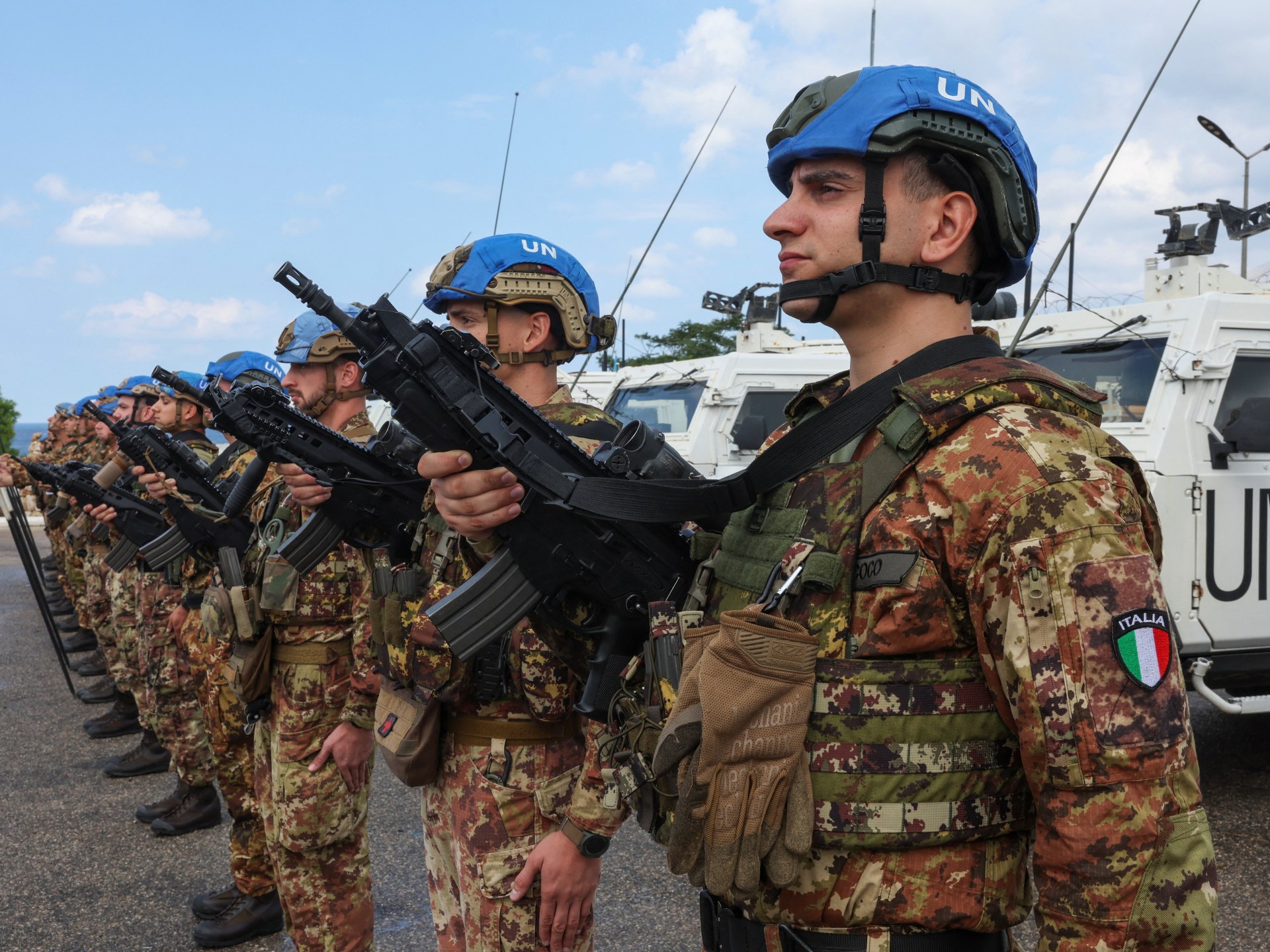
Tensions along the volatile Blue Line separating Lebanon and Israel escalated further following an incident involving the United Nations Interim Force in Lebanon (UNIFIL). According to official statements released by mission headquarters in Naqoura, small arms fire was directed at an Israeli border post within the operational area, though military authorities confirmed that no casualties or material damage resulted from the breach. The event underscores the fragile security architecture governing the southern Lebanese frontier, where ongoing exchanges between state and non-state actors continue to challenge the mandate of international peacekeepers. Diplomatic channels have remained active as military observers attempt to ascertain the origin of the gunfire and prevent localized friction from spiraling into a wider regional confrontation.
The strategic stakes along the Lebanese-Israeli border carry profound implications for regional stability. UNIFIL, operating under United Nations Security Council Resolution 1701, serves as a vital buffer designed to maintain calm and facilitate communication between the belligerent parties. However, repeated violations of the cessation of hostilities framework have severely restricted the mission's freedom of movement and operational efficacy. Strategic analysts warn that the accumulation of such kinetic incidents increases the probability of miscalculation, potentially drawing external regional powers into a direct military confrontation that would fundamentally alter the geopolitical map of the Middle East.
Global Trade & Economic Ripples
While the immediate physical damage of the border incident was negligible, global commodity markets and international shipping sectors reacted with immediate nervousness. The Levant sits at a critical maritime and logistical crossroads connecting European, Asian, and African markets. Any credible threat of a multi-front escalation in the eastern Mediterranean introduces substantial risk premiums into global energy markets, particularly concerning natural gas extraction fields off the coast of Israel and Lebanon. Benchmark crude oil futures experienced intraday volatility as traders reassessed the security of vital transit chokepoints, including the Suez Canal and Red Sea approaches, which remain vulnerable to sympathetic disruptions.
Supply chain resilience is being severely tested as marine insurers re-evaluate underwriting criteria for vessels operating in the eastern Mediterranean basin. Freight rates for dry bulk and containerized cargo traversing regional waters have ticked upward, reflecting heightened operational risks and potential deviations around the Cape of Good Hope should maritime security deteriorate. Furthermore, agricultural and mineral trade flows originating from the broader Middle East face potential logistical bottlenecks, exerting upward pressure on international input costs and complicating central bank efforts to anchor global inflation expectations.
Related Intelligence: Gaza Crisis Catalyzes British Activism and Commercial Risk
International Reactions & Diplomatic Stances
International condemnation of the security breach was swift, with the United Nations issuing stern warnings regarding the inviolability of peacekeeping personnel and installations. Secretary-General representatives reiterated that attacks on UN personnel constitute a violation of international law and undermine the foundational frameworks established to preserve regional peace. Major European capitals, many of which contribute troops to the UNIFIL contingent, expressed deep alarm over the deteriorating security conditions and urged all combatants to exercise maximum restraint and cooperate fully with UN investigative mechanisms.
Market analysts and geopolitical risk consultancies have noted a distinct divergence between diplomatic optimism and commercial caution. While multilateral bodies emphasize the efficacy of ongoing backchannel negotiations mediated by Western and regional powers, institutional investors are adopting defensive positioning across energy and equity asset classes. Sovereign debt markets in vulnerable neighboring economies have experienced increased yield spreads, signaling heightened investor perception of sovereign risk and geopolitical contagion across the wider Mediterranean perimeter.
Strategic Outlook & Future Scenarios
Looking ahead, the trajectory of the Lebanon-Israel frontier will depend heavily on diplomatic breakthroughs regarding broader regional ceasefires and the enforcement of UN Security Council resolutions. Upcoming diplomatic summits in New York and European capitals will likely focus on reinforcing UNIFIL's mandate, securing additional funding, and establishing clearer rules of engagement to deter provocative actions near the Blue Line. Failure to de-escalate risks institutionalizing a permanent state of high alert that could permanently impair regional trade routes and investment flows.
In the event of further escalation, potential policy responses range from targeted economic sanctions on destabilizing entities to enhanced naval patrols aimed at securing international shipping lanes. Commercial entities operating within the region are advised to maintain robust contingency plans, diversify logistics networks, and closely monitor intelligence assessments regarding maritime and overland transit corridors. The coming weeks will prove decisive in determining whether diplomatic deterrence can successfully insulate the global economy from localized military friction.
Join Our Official WhatsApp Channel
Receive live commodity alerts, policy changes, and commercial intelligence directly on WhatsApp.