
UK Governance Scrutiny Mounts Over Executive Engagements With Gulf-Backed Sports Entities
Scrutiny intensifies in the United Kingdom over municipal and national leadership engagements with Gulf-backed sporting enterprises following landmark regulatory breaches, testing bilateral investment diplomacy.
Geopolitical & Core Developments
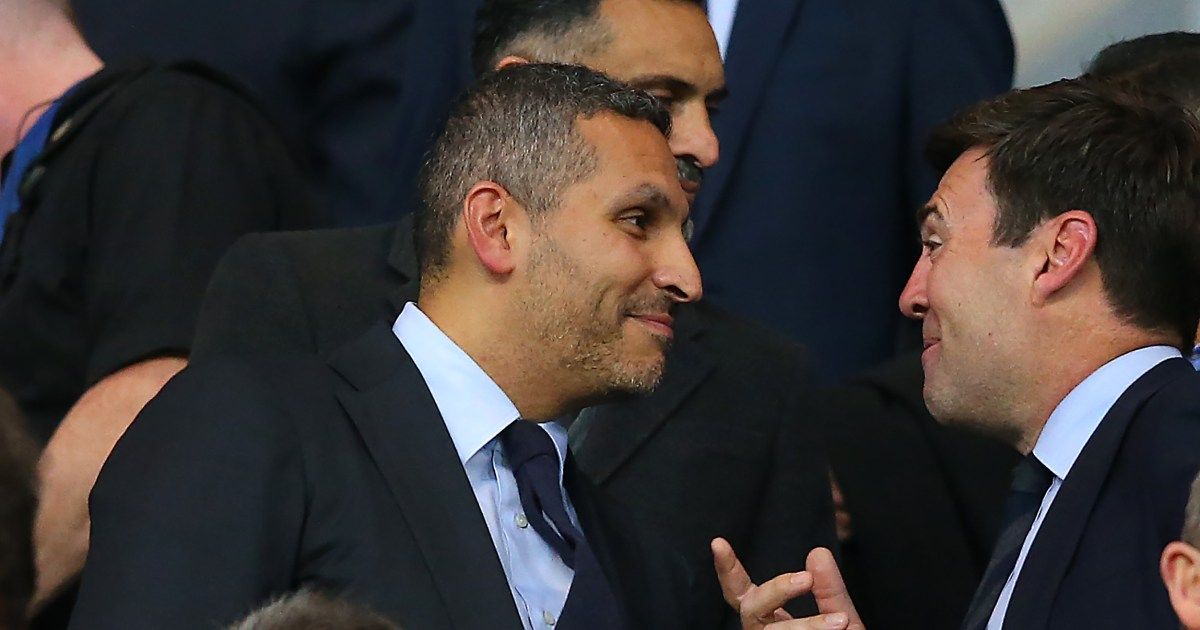
The nexus between European sovereign policy, sovereign wealth funds, and domestic administrative governance has come under heightened scrutiny following disclosures regarding high-level meetings between British public officials and executive leadership of Manchester City Football Club. The engagement, which took place during broader reviews of financial governance within premier sporting leagues, has reignited discussions on the geopolitical leverage exerted by Gulf Cooperation Council (GCC) capital within Western economies.
Manchester City, majority-owned by the Abu Dhabi United Group—an investment vehicle tied directly to the ruling family of the United Arab Emirates—has served as a prominent instrument of economic diversification and cultural diplomacy over the past two decades. However, recent regulatory proceedings finding the club guilty of serious financial breaches have amplified criticism regarding the proximity of political leaders to foreign-backed state enterprises. Statements detailing high-level dialogues between regional leadership and club chairman Khaldoon Al Mubarak illustrate the complex balancing act domestic leaders face between securing foreign direct investment (FDI) and upholding domestic corporate governance standards. The timeline of these engagements coincided with pivotal phases of municipal development in northern England, where sovereign-backed capital has financed substantial urban regeneration programs.
Global Trade & Economic Ripples
While sporting governance remains the immediate arena of dispute, the underlying implications extend into broader international trade dynamics and cross-border financial flows. Bilateral trade between the United Kingdom and the United Arab Emirates currently exceeds twenty-five billion pounds annually, driven by joint ventures in renewable energy, real estate, logistics, and institutional asset management. The legal and political pushback against Gulf-backed corporate entities introduces regulatory friction into these established investment corridors.
International capital allocators are assessing whether tightening oversight within the UK sports economy signals a broader posture of protectionism or enhanced anti-money laundering and state-aid scrutiny across critical infrastructure. Increased legal friction could prompt state-backed funds to recalibrate capital allocations toward alternative emerging hubs across Asia and North America. Furthermore, sovereign fund managers are increasingly factoring legal jurisdiction risks and reputational liabilities into their direct equity acquisitions, influencing currency flows between the British pound sterling and the UAE dirham.
Related Intelligence: European Sports Economy Faces Critical Test Amid Champions League Continental Showdowns
International Reactions & Diplomatic Stances
Market analysts, transparency monitors, and governance watchdogs have voiced concern over the perceived lack of institutional firewalls separating elected officials from entities under active regulatory investigation. Analysts note that state-driven soft-power strategies inherently blur the boundaries between sovereign diplomatic maneuvering and corporate enterprise.
Diplomatic observers in London and the Gulf emphasize that broader strategic alliances remain resilient, anchored by mutual commitments to defense pacts, energy transition partnerships, and ongoing multilateral trade negotiations between the UK and the GCC. However, international governance organizations have underscored that domestic political figures must maintain rigorous neutrality to protect the integrity of local regulatory frameworks against foreign economic leverage.
Strategic Outlook & Future Scenarios
Moving forward, the trajectory of UK-Gulf commercial relations will depend on the implementation of forthcoming independent statutory regulators. If legislative bodies enforce stringent compliance mechanisms regarding state ownership and financial fair play, foreign sovereign investors will likely adapt by adopting indirect private equity consortia rather than overt sovereign holdings.
In the near term, bilateral economic forums and trade discussions will continue unimpeded, yet parliamentary pressure will demand codified transparency registers for all state-level engagements with foreign enterprise executives. As Western governments navigate the trade-offs of courting sovereign wealth while preserving regulatory autonomy, the institutional response to high-profile foreign investments will establish a defining precedent for global capital integration.
Join Our Official WhatsApp Channel
Receive live commodity alerts, policy changes, and commercial intelligence directly on WhatsApp.