
Poland Detains Two Turkish Nationals Over Suspected Russian Starlink Sabotage
Warsaw has confirmed the arrest of two Turkish suspects accused of executing a Russia-directed arson attack against critical Starlink infrastructure in Poland.
Geopolitical & Core Developments
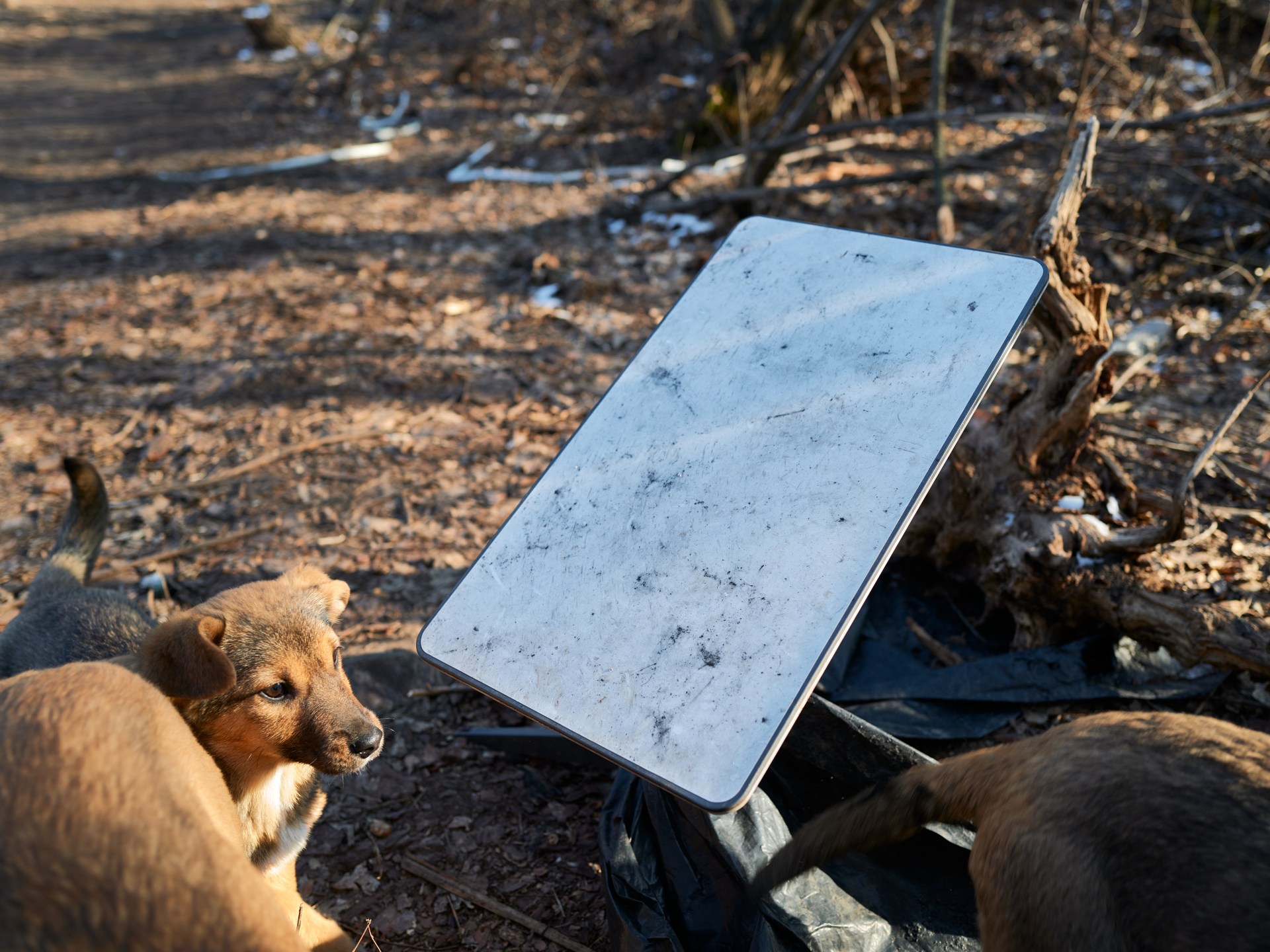
Polish state prosecutors and domestic security services have escalated their ongoing investigation into foreign-directed hybrid warfare following the arrest of two Turkish nationals linked to an arson attack against critical communications infrastructure. Polish authorities confirmed that the suspects, apprehended in Germany under a European Arrest Warrant, are facing charges of foreign sabotage coordinated on behalf of Russian military intelligence. The targeted facility, located in western Poland, served as a crucial transit and storage node for commercial satellite equipment, including SpaceX Starlink terminals destined for Ukrainian military and civilian relief operations.
The operation underscores a persistent campaign by Moscow to disrupt European logistics corridors supporting Kyiv without crossing the threshold into direct military confrontation. Over the past eighteen months, Polish counterintelligence, in close coordination with allied European agencies, has dismantled multiple clandestine networks composed largely of foreign subcontractors hired via encrypted channels. Security analysts note that utilizing non-Russian operatives—such as the detained Turkish nationals—represents a deliberate operational shift designed to provide plausible deniability while probing European internal security perimeters.
Global Trade & Economic Ripples
While the direct physical damage from the arson incident was quickly contained, the commercial ramifications across Central and Eastern Europe are increasingly acute. Logistics operators handling dual-use technologies, energy hardware, and high-value telecommunications cargo are facing sharply higher operational overheads. European freight forwarding associations have warned that rising security protocols, mandatory physical inspections, and heightened verification of transit labor will inevitably increase shipping lead times across key Baltic and Visegrad transport corridors.
Furthermore, the incident has amplified pressures within the commercial insurance sector. Underwriters across Lloyd's and continental European syndicates are reassessing political violence and civil commotion (PVCC) clauses for transit infrastructure located in front-line NATO states. Warehouses and distribution centers handling commercial electronics with potential battlefield applications are experiencing rising premium rates. This structural shift is complicating regional supply chains precisely as European manufacturers seek to re-shore and secure critical inventory amid ongoing macroeconomic headwinds.
Related Intelligence: پارلیمان کے دونوں ایوانوں کے اہم اجلاس طلب، آئینی اور معاشی قانون سازی پر پیش رفت متوقع
International Reactions & Diplomatic Stances
Warsaw has issued a stern diplomatic response, reaffirming its intent to treat foreign-directed acts of arson as direct assaults on national sovereignty. Poland’s Ministry of Foreign Affairs indicated that evidence gathered alongside German law enforcement will be shared within NATO intelligence-sharing frameworks to evaluate broader collective defense mechanisms against unconventional threats.
In Berlin, German federal prosecutors emphasized the seamless nature of cross-border counterintelligence cooperation, reiterating that European territories will not serve as safe havens for agents of foreign disruption. Ankara has so far maintained a cautious posture, with Turkish consular authorities requesting access to the detainees while avoiding official commentary on the broader geopolitical allegations. For its part, the Kremlin has consistently denied involvement in sabotage activities across European territory, dismissing the accusations as politically motivated hysteria aimed at justifying further NATO expansion.
Strategic Outlook & Future Scenarios
The extradition of the suspects to Poland will likely inaugurate a public legal process that further strains diplomatic relations between European capitals and Moscow. Moving forward, the European Union is projected to accelerate the codification of unified infrastructure protection standards, mandating stricter oversight of commercial contractors and private security providers within the transport sector.
In the medium term, front-line NATO members are expected to demand formal revisions to the alliance's hybrid threat doctrine, seeking standardized criteria for collective diplomatic and economic counter-measures against deniable, state-sponsored attacks. As the war in Ukraine drags into another year, asymmetric operations targeting critical commercial transit networks across Europe will remain a persistent baseline risk for international traders, supply chain managers, and regional logistics hubs.
Join Our Official WhatsApp Channel
Receive live commodity alerts, policy changes, and commercial intelligence directly on WhatsApp.