
Trump-Zelenskyy Tensions Cast Long Shadow Over Global Markets
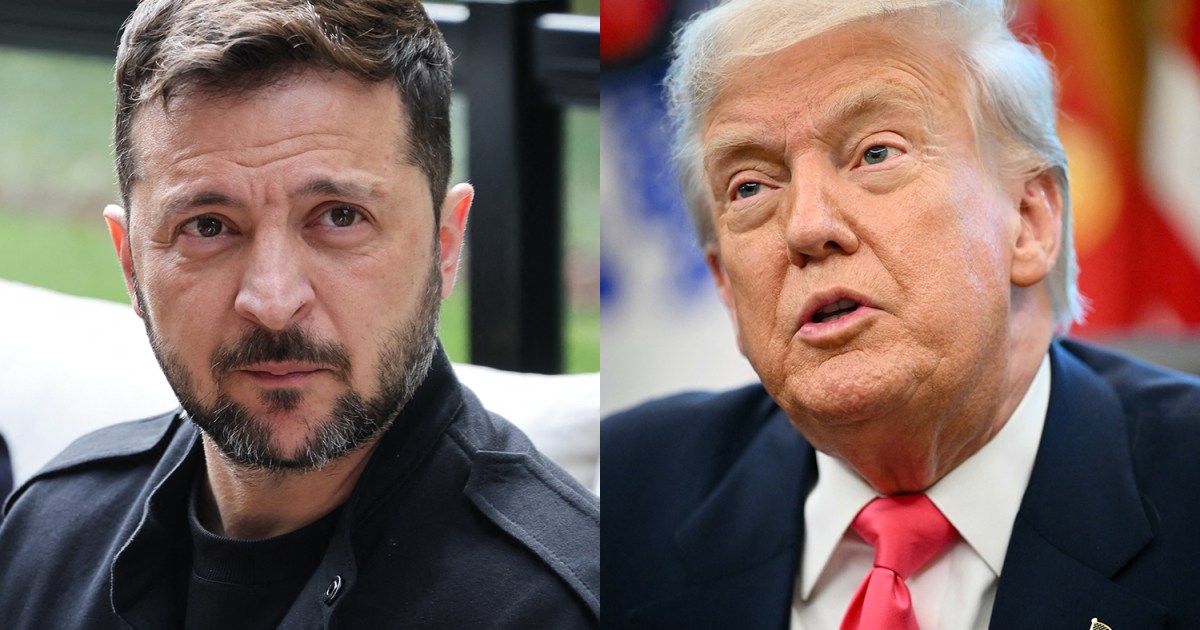
Escalating friction between Donald Trump and Ukrainian President Volodymyr Zelenskyy threatens to upend US military support, injecting severe volatility into global commodity and energy markets.
Geopolitical & Core Developments
The complex and frequently adversarial relationship between Donald Trump and Ukrainian President Volodymyr Zelenskyy has emerged as a central fault line in contemporary international relations. From the high-stakes political friction of Trump's first presidential term—marked by the infamous Oval Office controversies and subsequent impeachment inquiries—to his persistent critique of expansive US financial and military commitments, the dynamic has continuously strained transatlantic alliances. Trump has routinely cast doubt on the strategic wisdom of open-ended American backing for Kyiv, frequently asserting that the conflict could be brought to a swift negotiated conclusion. This skepticism is not merely rhetorical; it represents a profound philosophical shift away from traditional interventionist foreign policy toward an 'America First' doctrine. For Kyiv, the prospect of a renewed Trump administration or ongoing political pushback from his congressional allies represents an existential threat to its war-aims, forcing Ukrainian statecraft to hedge against potential diplomatic isolation and a sudden constriction of critical intelligence and hardware supplies.
Global Trade & Economic Ripples
The reverberations of this political antagonism extend far beyond diplomatic chanceries, striking directly at the heart of global commodity markets, energy architectures, and international shipping lanes. The protracted war in Ukraine has already fundamentally disrupted global trade, particularly concerning critical agricultural exports from the Black Sea breadbasket and European energy security. Any signal from Washington indicating a potential withdrawal or reduction of support introduces acute volatility into pricing mechanisms for wheat, corn, and industrial fertilizers. Furthermore, European natural gas and crude oil markets remain highly sensitive to geopolitical shifts in the region. European importers continue to navigate structurally higher energy costs, forcing heavy industries to restructure supply chains and absorb compressed profit margins. Currency markets have also registered these jitters, with the euro experiencing intermittent downward pressure relative to the US dollar as investors price in the heightened geopolitical risk premium associated with a fractured Western security umbrella.
Related Intelligence: Nepalese Flash Floods Disrupt Regional Supply Chains and Hydropower Infrastructure
International Reactions & Diplomatic Stances
The international community remains deeply fractured over the trajectory of US policy toward Eastern Europe. Multilateral institutions, including the United Nations and various European Union bodies, have repeatedly emphasized the necessity of upholding international law and territorial integrity, implicitly warning against any precipitate disengagement that could embolden revisionist powers globally. European capitals, particularly in Berlin, Paris, and London, are hurriedly contingency-planning for a scenario in which the United States scales back its security commitments, forcing European member states to shoulder a vastly expanded defense burden. Conversely, market analysts and international trade federations note that several emerging economies have adopted a transactional posture, quietly securing discounted energy supplies while insulating themselves from Western sanctions regimes. This divergence underscores a broader fragmentation of the global economic order, wherein traditional multilateral consensus is increasingly supplanted by pragmatic, bilateral alignment.
Strategic Outlook & Future Scenarios
As the geopolitical landscape evolves, market participants and foreign policy strategists are closely monitoring upcoming diplomatic summits, legislative votes in Washington, and potential escalation points on the battlefield. The trajectory of US-Ukraine relations will likely dictate the speed and scope of future Western sanctions packages against Moscow, as well as the mechanisms for utilizing frozen sovereign assets for Ukrainian reconstruction. Should political friction intensify into a formal policy of disengagement, global defense contractors are poised to experience sustained demand as European nations independently militarize to fill the strategic vacuum. Ultimately, the enduring friction between Washington and Kyiv serves as a leading indicator for a more volatile, multipolar global economy, where long-standing security guarantees can no longer be taken as axiomatic by market actors.
Join Our Official WhatsApp Channel
Receive live commodity alerts, policy changes, and commercial intelligence directly on WhatsApp.