
Trump and Xi Declare Tariff Truce Amid Washington Summit
President Trump and Chinese President Xi Jinping agreed to a two-month tariff truce during a high-profile Washington summit, temporarily easing tensions across global commodity markets.
Geopolitical & Core Developments
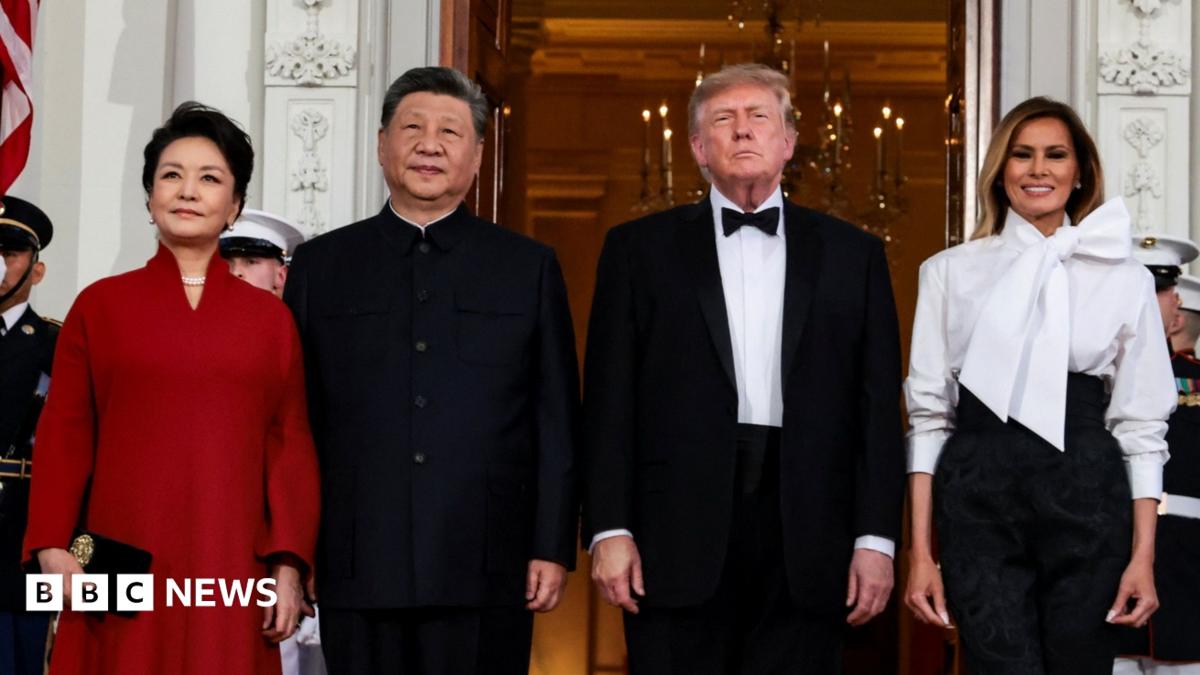
Presidents Donald Trump and Xi Jinping concluded the second day of high-stakes diplomatic engagements in Washington with a significant, albeit temporary, breakthrough in bilateral relations. Marking Chinese President Xi's first visit to the United States capital in a decade, the summit was choreographed with elaborate state pomp and pageantry designed to project stability between the world's two largest economies. Beneath the diplomatic ceremonial receptions and state toasts, intensive behind-the-scenes negotiations yielded a crucial two-month moratorium on escalating tariff measures. The agreement halts a rapidly deteriorating cycle of retaliatory trade restrictions that had threatened to engulf major industrial sectors and trigger broader economic contagion. State actors on both sides emphasized the necessity of open channels of communication, establishing specialized bilateral working groups tasked with negotiating substantive structural reforms over the designated sixty-day window.
Global Trade & Economic Ripples
The announcement of the tariff truce immediately reverberated across international financial hubs, commodity exchanges, and global supply chains. Industrial metals, crude oil benchmarks, and agricultural futures experienced sharp relief rallies as traders unwound defensive hedging positions. For months, the brewing trade confrontation had injected severe volatility into freight rates and trans-Pacific shipping lanes, as logistics operators rushed to front-load cargo ahead of anticipated tariff hikes. The two-month grace period provides crucial breathing room for manufacturers dependent on cross-border component sourcing, particularly within the electronics, automotive, and renewable energy technology sectors. Currency markets also registered positive stabilization, with emerging market currencies recovering ground lost during peak phases of trade escalation. However, supply chain strategists caution that fundamental structural vulnerabilities persist, and corporate planners are unlikely to halt long-term diversification strategies away from single-source manufacturing hubs based solely on a temporary political truce.
Related Intelligence: Trump and Xi Signal Detente at Washington State Dinner
International Reactions & Diplomatic Stances
Multilateral institutions and international trade bodies welcomed the Washington accord, viewing it as an essential step toward averting a global economic slowdown. Officials from the International Monetary Fund and the World Trade Organization issued cautious statements commending the de-escalation while reiterating that sustained multilateral cooperation remains vital for long-term growth. European Union trade representatives expressed relief that immediate collateral damage to European exporters had been averted. Meanwhile, market analysts and institutional investors maintained a pragmatic stance. While equity markets surged in response to the headlines, sovereign debt yields and corporate risk premiums reflected lingering skepticism. Analysts at major financial institutions noted that while the ceasefire removes near-term volatility, the core issues of intellectual property protection, technology transfer mandates, and industrial subsidies remain entirely unresolved, leaving foundational trade friction intact.
Strategic Outlook & Future Scenarios
As the sixty-day diplomatic clock begins, attention shifts immediately to the upcoming schedule of international summits and bilateral ministerial meetings. The trajectory of global trade now hinges on whether negotiating teams can translate the Washington momentum into a binding, comprehensive trade framework before the truce expires. Failure to reach a lasting accord could trigger an immediate resurgence of protectionist measures, potentially amplifying market volatility beyond previous peaks. Conversely, a successful framework could pave the way for a broader economic pact, stabilizing geopolitical flashpoints across the Indo-Pacific and restoring investor confidence. Corporations and global commodity traders are advised to maintain agile contingency plans, utilizing the current window of stability to fortify supply chains against potential future policy shifts.
Join Our Official WhatsApp Channel
Receive live commodity alerts, policy changes, and commercial intelligence directly on WhatsApp.