
Diplomatic Tensions Surge After On-Field Incident at UEFA Match
The dismissal of Israeli footballer Sayed Abu Farchi for a firearm celebration during a Nations League match against Austria highlights the spillover of Middle Eastern geopolitical tensions into international athletics.
Geopolitical & Core Developments
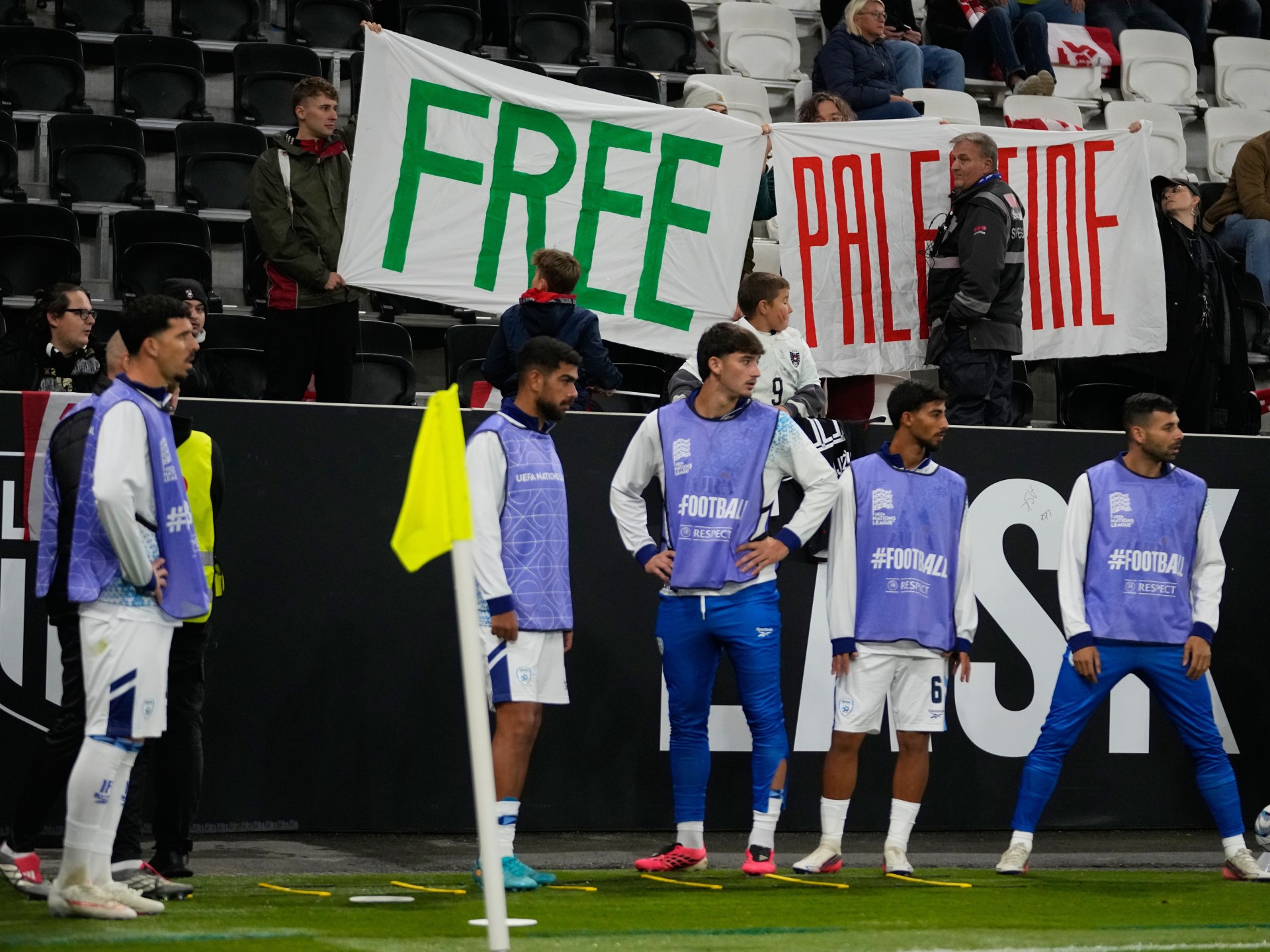
The intersection of international sports and geopolitical conflict reached a volatile inflection point during a recent UEFA Nations League fixture between Israel and Austria. Israeli footballer Sayed Abu Farchi was shown a straight red card following a goal celebration in which he mimicked the discharging of a firearm. The incident swiftly transcended standard athletic disciplinary proceedings, transforming into a flashpoint that mirrors the broader, intractable hostilities gripping the Middle East.
Athletic governing bodies, historically committed to maintaining a strict separation between political discourse and competitive sport, find themselves increasingly ill-equipped to manage the spillover of real-world violence onto the pitch. The timing of the event, occurring against the backdrop of an intensified multi-front regional conflict involving Israel, Hamas, Hezbollah, and state actors such as Iran, ensured that a localized sporting infraction resonated instantly across international diplomatic corridors. State departments across Europe and the Middle East immediately monitored the fallout, cognizant of how deeply symbolic actions by public figures can inflame domestic security anxieties and galvanize diaspora communities.
Global Trade & Economic Ripples
While a disciplinary card issued during a European football fixture carries no direct physical disruption to physical supply chains or maritime chokepoints like the Bab el-Mandeb strait, the broader sentiment it encapsulates directly informs investor confidence and risk premiums across global commodity markets. Geopolitical volatility in the Middle East remains a primary driver of risk aversion, directly influencing crude oil benchmarks, European natural gas futures, and maritime insurance rates.
International trade corridors depend heavily on regional stability. When cultural, athletic, and diplomatic friction intensifies, multinational corporations frequently adjust their risk matrices. Increased polarization in European urban centers—often catalyzed by high-profile symbolic events involving Middle Eastern actors—raises the specter of civil unrest, potential disruptions to critical infrastructure, and heightened corporate security expenditures. Consequently, commodity traders maintain elevated volatility cushions, pricing in the persistent threat of sudden escalations that could impair energy flows from the Persian Gulf and the broader Levant.
Related Intelligence: Nepal Flood Disaster Sparks Global Climate and Trade Urgency
International Reactions & Diplomatic Stances
Official responses to the incident exposed the deep divisions characterizing contemporary multilateral diplomacy. Representatives from UEFA emphasized the absolute necessity of maintaining political neutrality within athletic competitions, warning that on-field gestures referencing armed conflict violate the foundational statutes of European football. Concurrently, human rights organizations and various civil society groups across Western Europe issued statements expressing grave concern over the normalization of militaristic symbolism in public forums.
Conversely, diplomatic missions from several regional actors seized upon the incident to advance opposing narratives regarding representation, free expression, and double standards within international institutions. Market analysts note that while multilateral bodies like the United Nations strive to insulate global commerce and diplomatic negotiations from cultural flare-ups, these symbolic confrontations systematically erode the trust required for long-term stabilization pacts and cross-border economic cooperation.
Strategic Outlook & Future Scenarios
Looking ahead, international sports federations are expected to implement stringent behavioral guidelines and pre-match security protocols to forestall similar political demonstrations. Upcoming UEFA congresses and international summits will likely debate the expansion of disciplinary frameworks to penalize actions perceived as inciting regional or sectarian animosity.
For global markets and diplomatic strategists, the incident serves as a stark reminder of the fragility inherent in current geopolitical alignments. As long as the Middle Eastern conflict persists without a comprehensive ceasefire or political resolution, cultural and athletic arenas will remain vulnerable to proxy expressions of deep-seated grievances. Investors and trade analysts must continue to factor this pervasive socio-political volatility into their long-term economic forecasts, anticipating that symbolic flashpoints will continue to cast long shadows over international commercial relations.
Join Our Official WhatsApp Channel
Receive live commodity alerts, policy changes, and commercial intelligence directly on WhatsApp.