
US Implements Sweeping Visa Overhaul as 250,000 Permits Revoked
Washington enacts sweeping immigration and visa policy changes, revoking over 250,000 visas and implementing stringent vetting procedures that impact international mobility and bilateral trade frameworks.
The Core Development
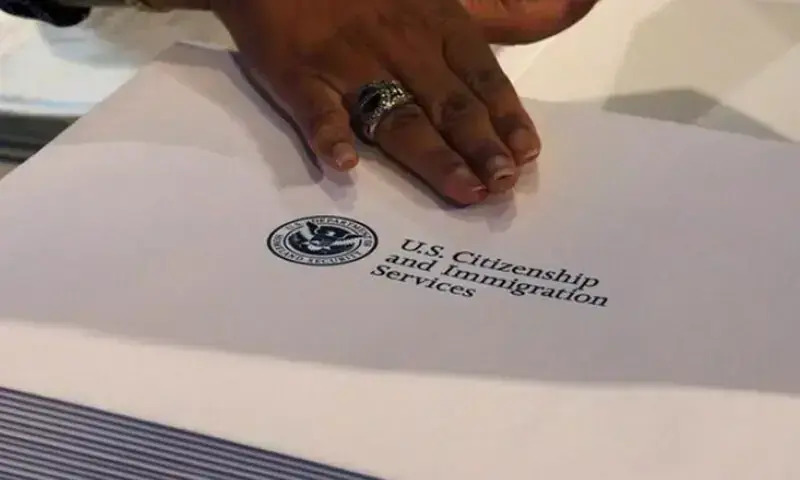
Sweeping new United States immigration and visa policies took formal effect on October 1, marking a profound shift in Washington's approach to foreign nationals. The implementation coincides with the start of the new federal fiscal year, introducing rigorous administrative hurdles for green card applicants, non-citizen healthcare beneficiaries, and prospective visa seekers. Central to this regulatory overhaul is the intensification of background screening protocols, highlighted by the State Department confirming the revocation of more than 250,000 visas since the return of President Donald Trump to office.
The updated framework mandates expanded social-media screening for all visa applicants, subjecting digital footprints to unprecedented scrutiny. Furthermore, federal guidelines now impose tighter eligibility requirements for certain non-citizens receiving public assistance through Medicaid and the Children's Health Insurance Programme (CHIP). While select employment-based green card categories have been reopened to manage high-skilled backlogs, the overarching objective remains a contraction of foreign entry pathways and heightened enforcement against current visa holders.
Commercial & Economic Implications
For enterprise operators, wholesale distributors, and retail trade networks in Pakistan, the escalation of US immigration restrictions carries immediate downstream repercussions. Professional mobility between Karachi, Lahore, and American commercial hubs faces severe friction, impeding corporate executives, IT consultants, and supply chain managers from executing time-sensitive travel. Executive mobility is essential for negotiating bilateral contracts, overseeing export manufacturing standards, and maintaining overseas distribution channels.
Moreover, tightening financial and social welfare compliance in the US ripples through diaspora communities, potentially altering remittance flows that support domestic retail liquidity in Pakistan. Any disruption in foreign remittances exacerbates inflationary pressures on local consumer goods and strains currency reserves. Wholesale markets dependent on seamless international partnerships must recalibrate their operational logistics to account for prolonged administrative delays and heightened trade compliance costs.
Related Intelligence: US Measles Surge Triggers Health Security and Economic Alarm
Stakeholder Perspectives & Market Reactions
Business councils, trade associations, and legal experts across South Asia have expressed mounting concern over the opaque nature of the expanded visa vetting process. Industry representatives note that the sudden revocation of hundreds of thousands of permits creates acute uncertainty for firms with transnational operations. Corporate legal advisors warn that expanded digital surveillance and stringent public-benefit criteria could deter top-tier talent from pursuing US assignments, forcing regional enterprises to rethink their human resource deployment strategies.
Official statements from Washington emphasize national security and domestic resource preservation as primary justifications for the policy shift. However, chambers of commerce in developing markets argue that indiscriminate tightening stifles legitimate commercial exchange and undermines collaborative technological ventures. Public response remains subdued yet anxious, as families and business owners digest the long-term viability of maintaining cross-border investments under unpredictable regulatory regimes.
Forward Outlook & Key Watchpoints
As the US administration deepens its enforcement mechanisms over the coming months, stakeholders must monitor several critical indicators. Key watchpoints include consular processing timelines at diplomatic missions, potential legal challenges mounted by civil rights and immigration advocacy groups, and any reciprocal policy adjustments by foreign governments.
For Kalyar Traders and the broader Pakistani business community, navigating this volatile landscape requires diversified trade partnerships and robust legal compliance frameworks. Enterprises must prepare for prolonged scrutiny of personnel movements and adapt their supply chain models to withstand sustained geopolitical and administrative friction in international markets.
Join Our Official WhatsApp Channel
Receive live commodity alerts, policy changes, and commercial intelligence directly on WhatsApp.