
Trump Defends Russia Sanctions Relief Amid Sharp Rebuke of Zelenskyy
President Donald Trump has defended potential sanctions relief for Moscow while sharply criticizing Ukrainian President Volodymyr Zelenskyy, signaling a profound shift in US foreign policy toward the protracted European conflict.
Geopolitical & Core Developments
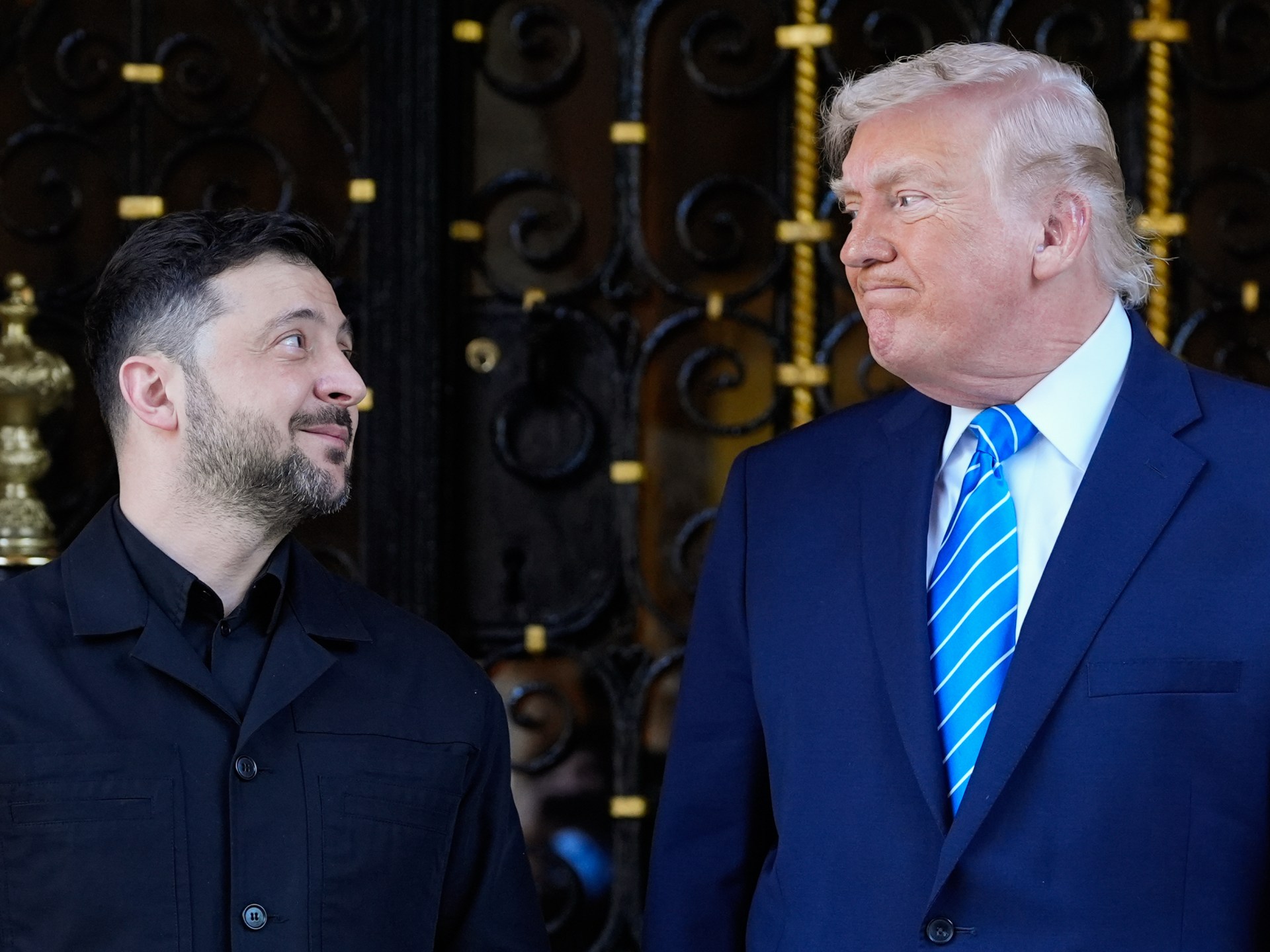
A seismic pivot in United States foreign policy unfolded this week as President Donald Trump publicly defended the prospect of easing unilateral sanctions on the Russian Federation. Addressing reporters, Trump argued that the architecture of punitive economic measures established since 2022 serves as an impediment to brokering an immediate ceasefire between Moscow and Kyiv. Concurrently, the US president launched a severe verbal rebuke directed at Ukrainian President Volodymyr Zelenskyy, accusing the Ukrainian leadership of intransigence and an unwillingness to engage pragmatically in peace negotiations.
The verbal broadside coincided with ongoing bilateral engagements between senior Washington envoys and officials in Kyiv. Ukrainian officials have maintained that any premature cessation of hostilities without binding multilateral security guarantees would merely provide Moscow with an operational pause to reconstitute its armed forces. However, the current administration in Washington appears committed to leveraging both financial relief for the Kremlin and security assistance cutbacks for Ukraine to force both belligerents to the negotiating table, dismantling the transatlantic consensus that has dominated Western policy over the past three years.
Global Trade & Economic Ripples
The prospect of dismantling or softening Western sanctions on Moscow has sent immediate reverberations through international commodity networks and financial exchanges. International energy markets, which have adapted to European embargoes and the G7 crude oil price cap, face structural adjustments. The potential normalization of Russian maritime hydrocarbons into mainstream Western trade lanes could inject substantial supply elasticity, exerting downward pressure on Brent crude and global liquefied natural gas (LNG) benchmarks.
Agricultural commodity markets are equally sensitive to the geopolitical shift. Russia remains the world's foremost exporter of wheat and a pivotal supplier of nitrogen and potassic fertilizers. A formal easing of secondary sanctions and financial messaging constraints—such as access to cross-border clearing facilities—would dramatically reduce transaction costs for buyers across the Global South, directly impacting global food security equations. Conversely, European sovereign debt markets registered concern over the potential dissolution of the Western security umbrella, causing peripheral bond yields to widen amid sovereign risk reassessments.
Related Intelligence: Mumbai Security Incident Sparks Broader Scrutiny Over Indian Sovereign Risk Sentiment
International Reactions & Diplomatic Stances
Reactions across European capitals have oscillated between profound unease and strategic recalibration. European Union leadership in Brussels affirmed its commitment to maintaining the bloc's proprietary sanctions regime against Moscow, regardless of unilateral policy pivots originating from the White House. High-ranking European diplomats warned that lifting restrictions without verified Russian troop withdrawals would fatally undermine the international legal order established post-World War II.
In Kyiv, the presidency struck a measured yet defiant tone, underscoring that sovereign integrity and territorial preservation cannot be traded for short-term economic realignments. Ukrainian diplomats continue to lobby the US Congress, where bipartisan contingents retain the authority to codify sanctions via primary legislation, complicating unilateral executive branch exemptions. Moscow, meanwhile, welcomed the rhetoric cautiously, noting that tangible revisions to US sanctions policy must precede formal bilateral diplomatic concessions.
Strategic Outlook & Future Scenarios
The trajectory of the conflict approaches an inflection point defined by executive power struggles in Washington and diplomatic maneuvering in Europe. If the White House proceeds with executive orders suspending specific trade embargoes, it will likely trigger a clash with congressional hardliners seeking to invoke the Countering America's Adversaries Through Sanctions Act (CAATSA).
In the medium term, two distinct scenarios emerge: either the threat of US disengagement compels Ukraine into an uneasy, compromised armistice, or a divergent transatlantic rift deepens, leaving European powers to shoulder the financial and military burden of Kyiv's defense independently. Commodity traders and global supply chain operators must brace for localized market realignments, regulatory divergence between Washington and Brussels, and elevated counterparty risks as international commerce navigates this evolving geopolitical framework.
Join Our Official WhatsApp Channel
Receive live commodity alerts, policy changes, and commercial intelligence directly on WhatsApp.