
Trump Administration Unveils Voluntary Artificial Intelligence Framework
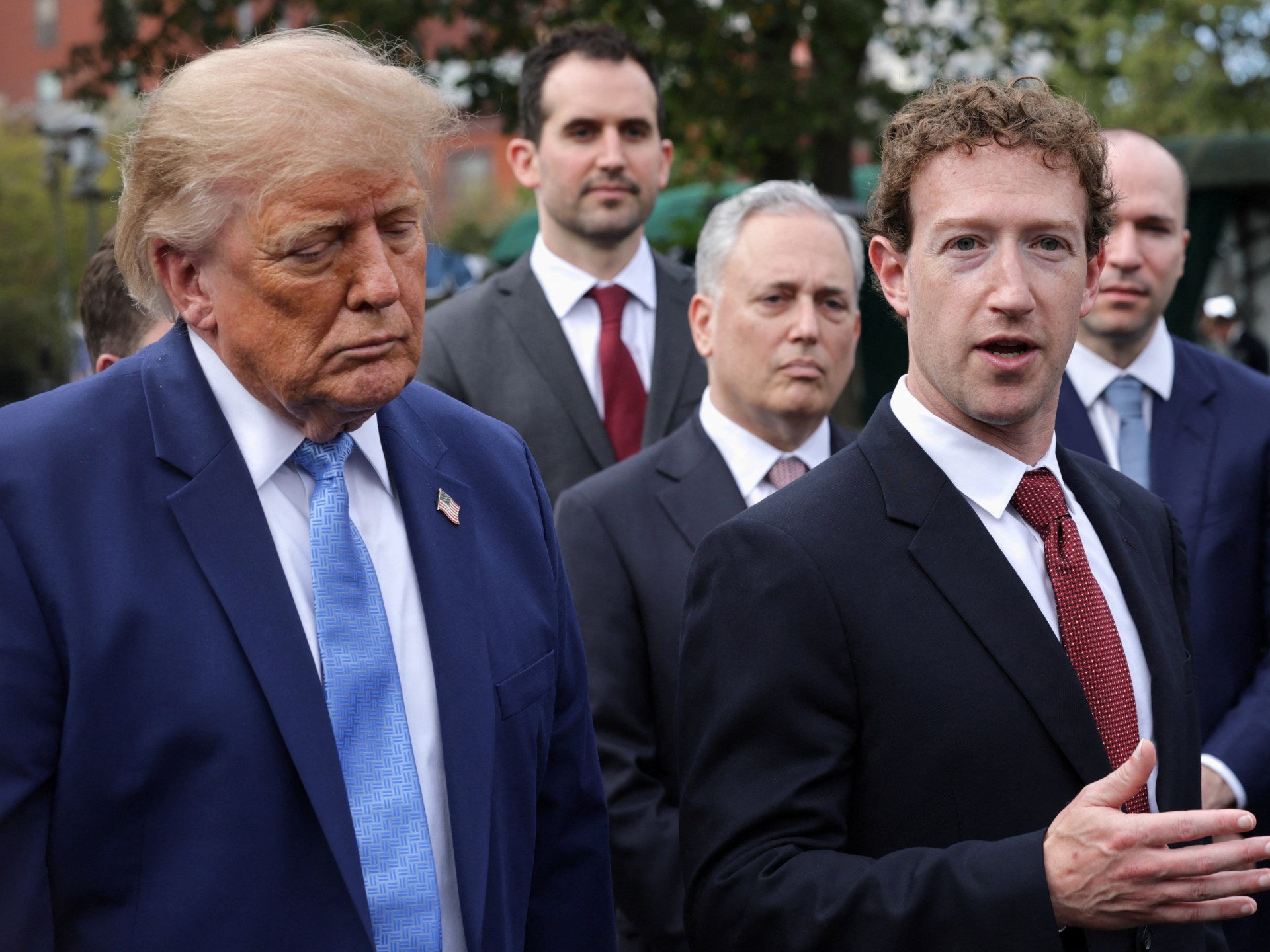
The White House has announced a voluntary artificial intelligence accord, allowing major tech companies to self-police amid mounting calls for rigorous federal oversight and international safety standards.
Geopolitical & Core Developments
The United States executive branch has formally introduced a voluntary accord governing the development and deployment of advanced artificial intelligence systems. Unveiled by the Trump administration, the pact emphasizes voluntary compliance and industry self-policing rather than statutory mandates or rigid federal oversight. This strategic pivot marks a significant departure from regulatory pathways pursued by traditional allies, most notably the European Union, which has codified strict compliance frameworks under the landmark Artificial Intelligence Act.
By encouraging technology conglomerates to adopt self-regulatory guidelines, Washington aims to preserve domestic innovation velocity and maintain a competitive edge against foreign state actors, particularly China. State department officials and technology policy advisors have framed the voluntary framework as a flexible alternative that avoids bureaucratic stagnation. However, critics and policy analysts argue that leaving safety thresholds, algorithmic transparency, and ethical safeguards to the discretion of market participants creates critical vulnerabilities in international governance.
Global Trade & Economic Ripples
The divergence in artificial intelligence regulatory philosophies carries profound implications for global trade, cross-border technology transfers, and commodity markets. Advanced semiconductor supply chains, critical mineral extraction, and massive data center energy consumption are deeply intertwined with the trajectory of artificial intelligence infrastructure. A lax regulatory environment in the United States could accelerate capital expenditure and infrastructure buildouts, driving intense demand for electrical power, rare earth elements, and specialized hardware.
Conversely, international trade friction is expected to mount. Multinational corporations operating across both United States and European jurisdictions will face complex compliance fragmentation. European regulators may scrutinize data flows and algorithmic outputs originating from entities operating under the United States voluntary framework, potentially imposing extraterritorial penalties or trade barriers. Furthermore, commodity markets tracking energy and industrial metals essential for artificial intelligence hardware manufacturing will experience heightened volatility as market participants re-evaluate long-term demand projections against shifting regulatory landscapes.
Related Intelligence: US Regulator Launches Sweeping Probe Into Artificial Intelligence Giants
International Reactions & Diplomatic Stances
Global reactions to the White House accord have been sharply divided. Representatives from major international bodies and foreign capitals have expressed concern over the absence of enforceable guardrails for powerful foundational models. European Union trade officials reiterated the necessity of mandatory risk assessments for high-risk applications, warning that self-regulation risks a race to the bottom in safety standards.
Conversely, technology sector lobbyists and free-market advocacy groups have welcomed the administration's approach, asserting that burdensome regulations would stifle American competitiveness and cede technological leadership to geopolitical rivals. Meanwhile, developing nations and emerging economies have voiced apprehension, noting that foundational artificial intelligence models developed under unregulated commercial priorities may perpetuate systemic biases and fail to address equitable technology access across the Global South.
Strategic Outlook & Future Scenarios
The long-term trajectory of the Trump administration's artificial intelligence accord remains precarious, contingent upon upcoming legislative sessions, judicial challenges, and shifting geopolitical alliances. As foundational models become increasingly integrated into critical national security infrastructure, financial systems, and global logistics, pressure for mandatory federal oversight is expected to intensify from domestic stakeholders and international partners alike.
Upcoming multilateral summits and trade negotiations will serve as crucial testing grounds for transatlantic technology policy alignment. If regulatory divergence widens between the United States and its allies, multinational enterprises may be forced to bifurcate their research, development, and deployment strategies. Such fragmentation could reshape global trade dynamics, alter investment flows in high-technology sectors, and introduce new vectors of geopolitical competition in the digital age.
Join Our Official WhatsApp Channel
Receive live commodity alerts, policy changes, and commercial intelligence directly on WhatsApp.