
Russia Warns NATO Over Baltic Blockade Threat to Kaliningrad
Moscow has issued a stark warning to NATO, threatening a nuclear response if the strategic exclave of Kaliningrad faces an air and naval blockade in the Baltic Sea.
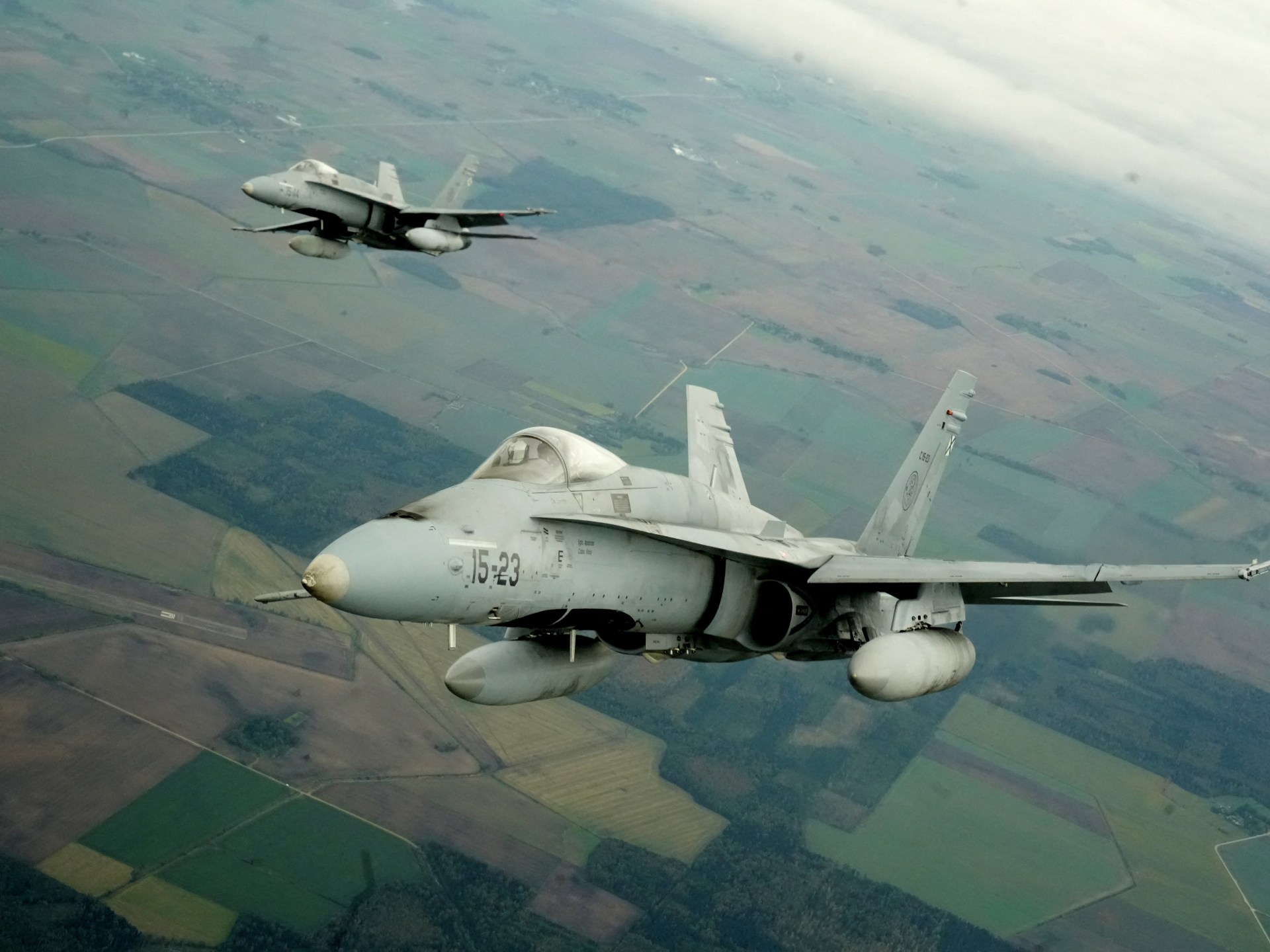
Geopolitical & Core Developments
Tensions along Europe's eastern flank have reached a critical juncture following stark warnings from Moscow regarding the geopolitical status of the Russian exclave of Kaliningrad. Russian defense and foreign policy officials have formally accused North Atlantic Treaty Organization member states of orchestrating advanced preparations for a comprehensive air and naval blockade in the Baltic Sea. Situated between Poland and Lithuania, Kaliningrad represents a vital strategic military outpost and civilian supply hub for the Russian Federation, housing the headquarters of the Russian Baltic Fleet.
The latest diplomatic friction stems from months of mounting security architecture shifts in the Baltic region, accelerated notably by the accession of Finland and Sweden to the Alliance. Moscow claims that operational planning within NATO command structures increasingly contemplates the complete severance of land, air, and maritime corridors connecting mainland Russia to the exclave. In response to these perceived encirclement strategies, high-ranking Kremlin officials reiterated that any hostile interdiction cutting off the sovereign territory would cross a red line, precipitating a direct military confrontation and potential nuclear escalation. Strategic analysts note that while previous disputes regarding transit restrictions over goods sanctioned by the European Union were handled via diplomatic channels, the current escalation involves direct threats to vital military assets and sovereign logistics.
Global Trade & Economic Ripples
The rhetorical escalation over the Baltic Sea carries immediate and profound implications for global trade, maritime logistics, and European energy security. The Baltic maritime corridor functions as a critical artery for regional bulk shipping, agricultural commodities, chemical shipments, and residual energy exports moving between Nordic states, Western Europe, and global markets. Any credible threat of military conflict or maritime interdiction in these waters immediately triggers severe disruptions across commercial supply chains.
International marine insurance underwriters have begun reassessing risk profiles for vessels transiting the Gulf of Finland and the broader Baltic basin. War risk surcharges are anticipated to rise sharply, directly inflating the landed costs of essential raw materials, fertilizers, and industrial inputs. Furthermore, commodity traders specializing in base metals, timber, and grain originating from the Baltic littoral are bracing for increased freight volatility. Financial markets have also registered cautious reactions, with European equities tied to maritime logistics and defense sectors experiencing heightened volatility as investors reprice the geopolitical risk premium associated with a potential direct clash between nuclear-armed adversaries.
Related Intelligence: Syrian Gas Pipeline Blast Cripples Power Grid and Regional Energy Security
International Reactions & Diplomatic Stances
Official responses from Western capitals and multilateral institutions have been swift and uncompromising. Spokespersons for NATO headquarters in Brussels have categorically rejected Moscow's assertions, labeling the blockade allegations as baseless disinformation designed to justify aggressive posturing and military buildup in the region. Alliance representatives emphasized that NATO remains a defensive pact and that all military exercises and naval patrols are conducted in full compliance with international maritime law to ensure regional stability.
European Union foreign ministers convened informal consultations to evaluate the security implications of the rhetoric coming out of Moscow. Brussels reiterated its commitment to the unfettered sovereignty of member states while calling for renewed de-escalation channels to prevent accidental military encounters at sea or in airspace. Meanwhile, officials at the United Nations have expressed profound concern over the deteriorating security dialogue, urging both sides to activate military-to-military communication lines to mitigate the risk of miscalculation. Market analysts warn that the absence of structured bilateral arms control frameworks leaves little room for diplomatic error if tactical deployments intensify in the confined waters of the Baltic.
Strategic Outlook & Future Scenarios
As the geopolitical landscape in Northern Europe continues to transform, the standoff over Kaliningrad is poised to dictate the security agenda for the foreseeable future. Upcoming multilateral summits, including the next high-level NATO defense ministerial, are expected to focus heavily on reinforcing the Baltic defense posture, expanding intelligence, surveillance, and reconnaissance capabilities, and fortifying critical undersea infrastructure.
In the near term, market participants and geopolitical forecasters will monitor naval movements and air patrol frequencies across the Baltic corridor for signs of operational escalation. While a direct kinetic conflict remains an extreme tail risk, the normalization of nuclear rhetoric as a diplomatic tool ensures that commercial actors must permanently factor heightened geopolitical instability into their long-term supply chain and capital allocation strategies.
Join Our Official WhatsApp Channel
Receive live commodity alerts, policy changes, and commercial intelligence directly on WhatsApp.