
Trump Administration Prepares Sweeping Sanctions Against International Criminal Court
The Trump administration is reportedly preparing broad sanctions targeting the International Criminal Court, threatening to disrupt global legal frameworks, institutional operations, and compliance standards for multinational commerce.
Geopolitical & Core Developments
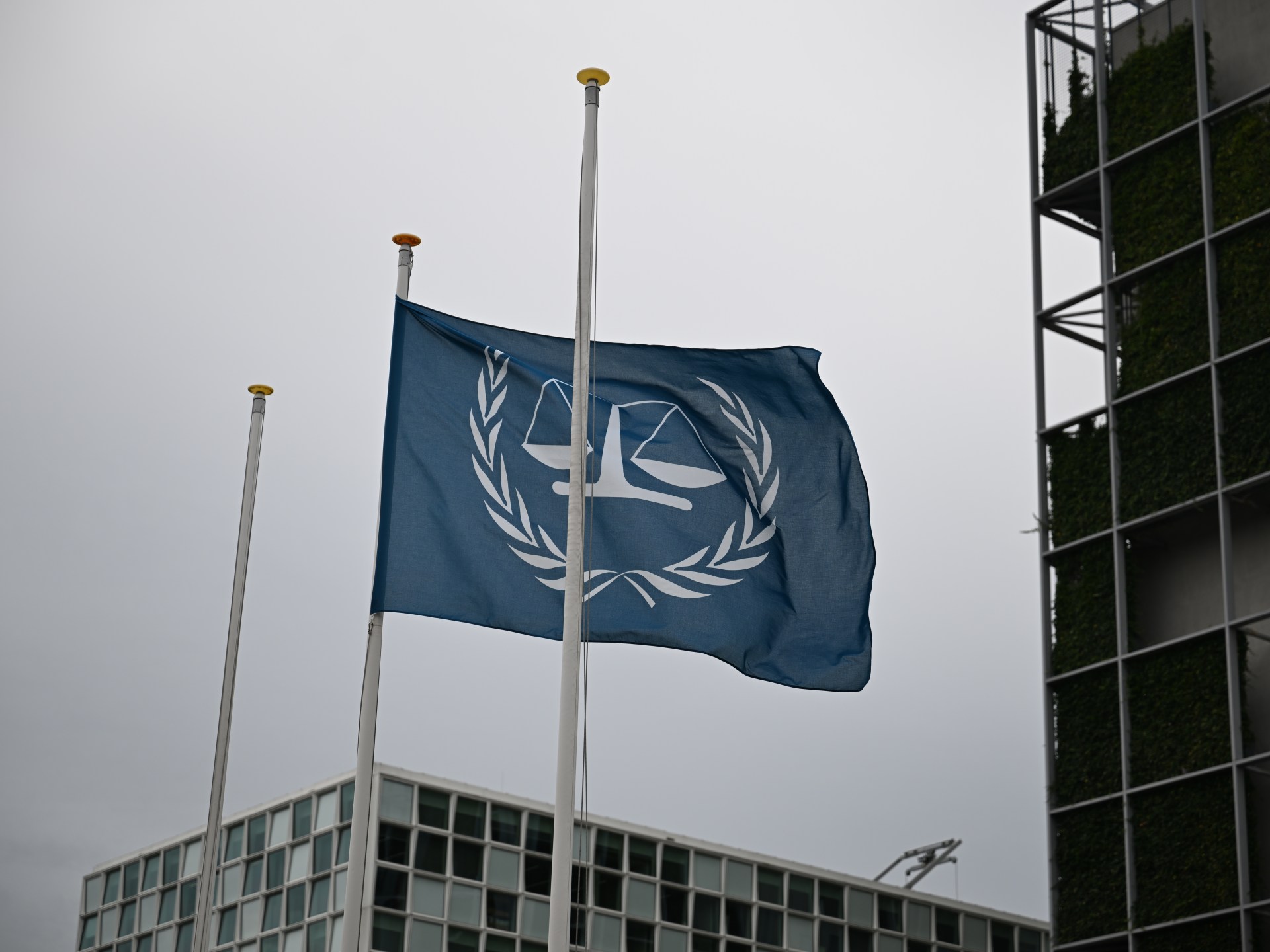
The Trump administration is reportedly preparing a sweeping package of economic and administrative sanctions directed against the International Criminal Court (ICC). According to diplomatic and intelligence reports, these forthcoming measures are designed to target the court's core institutional infrastructure, including financial transactions, payment gateways, and essential information technology services. By cutting off access to US-based financial systems and software providers, Washington aims to severely impede the tribunal's ability to conduct independent investigations and prosecutions. This aggressive posture escalates long-standing tensions between the United States and the Hague-based tribunal, driven by disputes over jurisdictional reach regarding non-state actors and sovereign nations that are not parties to the Rome Statute. Strategic analysts note that the proposed measures represent an unprecedented attempt by a permanent member of the United Nations Security Council to obstruct an international judicial body through unilateral financial coercion.
Global Trade & Economic Ripples
While ostensibly focused on legal and diplomatic disputes, the impending sanctions carry significant implications for global trade, corporate compliance, and cross-border financial flows. Multinational corporations, particularly those operating in extractives, defense, and global logistics within high-risk jurisdictions, rely on international legal frameworks and stability to manage political and sovereign risk. Disrupting the ICC could introduce severe regulatory uncertainty for global compliance officers who integrate international human rights and anti-corruption standards into supply chain management. Furthermore, financial institutions processing transactions tied to international organizations face heightened compliance burdens and potential secondary sanction exposure. Commodity markets, especially in regions affected by armed conflict where the ICC maintains active investigative mandates, could experience increased volatility as geopolitical risk premiums rise and foreign direct investment hesitates amid deteriorating multilateral cooperation.
International Reactions & Diplomatic Stances
The prospective sanctions have triggered immediate alarm across European capitals, multilateral organizations, and international legal associations. Representatives from the United Nations and various European Union member states have reiterated their steadfast support for the court as an indispensable pillar of the international rules-based order and accountability framework. Conversely, nationalist factions and non-member states have voiced varying degrees of sympathy for Washington's grievances regarding overreach. Human rights organizations and international law experts warn that targeting the ICC's administrative scaffolding sets a dangerous precedent, potentially emboldening authoritarian regimes to dismantle or pressure other multilateral institutions. Financial market analysts are closely monitoring diplomatic channels for retaliatory trade measures or European regulatory countermeasures designed to shield European firms and financial institutions from extraterritorial US enforcement.
Strategic Outlook & Future Scenarios
The trajectory of this confrontation will likely depend on the final scope of the executive orders and the degree of enforcement prioritization by Washington. If implemented in their most expansive form, the sanctions could force global technology and banking partners to choose between maintaining relationships with the ICC or accessing the United States financial market. Upcoming diplomatic summits and ministerial meetings are expected to serve as key arenas for transatlantic friction, as European allies attempt to negotiate exemptions or soften the impact on international judicial independence. Over the medium term, this escalation risks accelerating the fragmentation of global governance architectures, compelling emerging economies and middle powers to seek alternative legal, financial, and trade mechanisms less vulnerable to unilateral Western leverage.
Join Our Official WhatsApp Channel
Receive live commodity alerts, policy changes, and commercial intelligence directly on WhatsApp.