
Tragedy in Brazil Highlights Security Vulnerabilities and Public Safety Challenges
A fatal hostage crisis at a Brazilian kindergarten involving thirteen children has sparked national security concerns and renewed debates over institutional protection and emergency response protocols across Latin America's largest economy.
Geopolitical & Core Developments
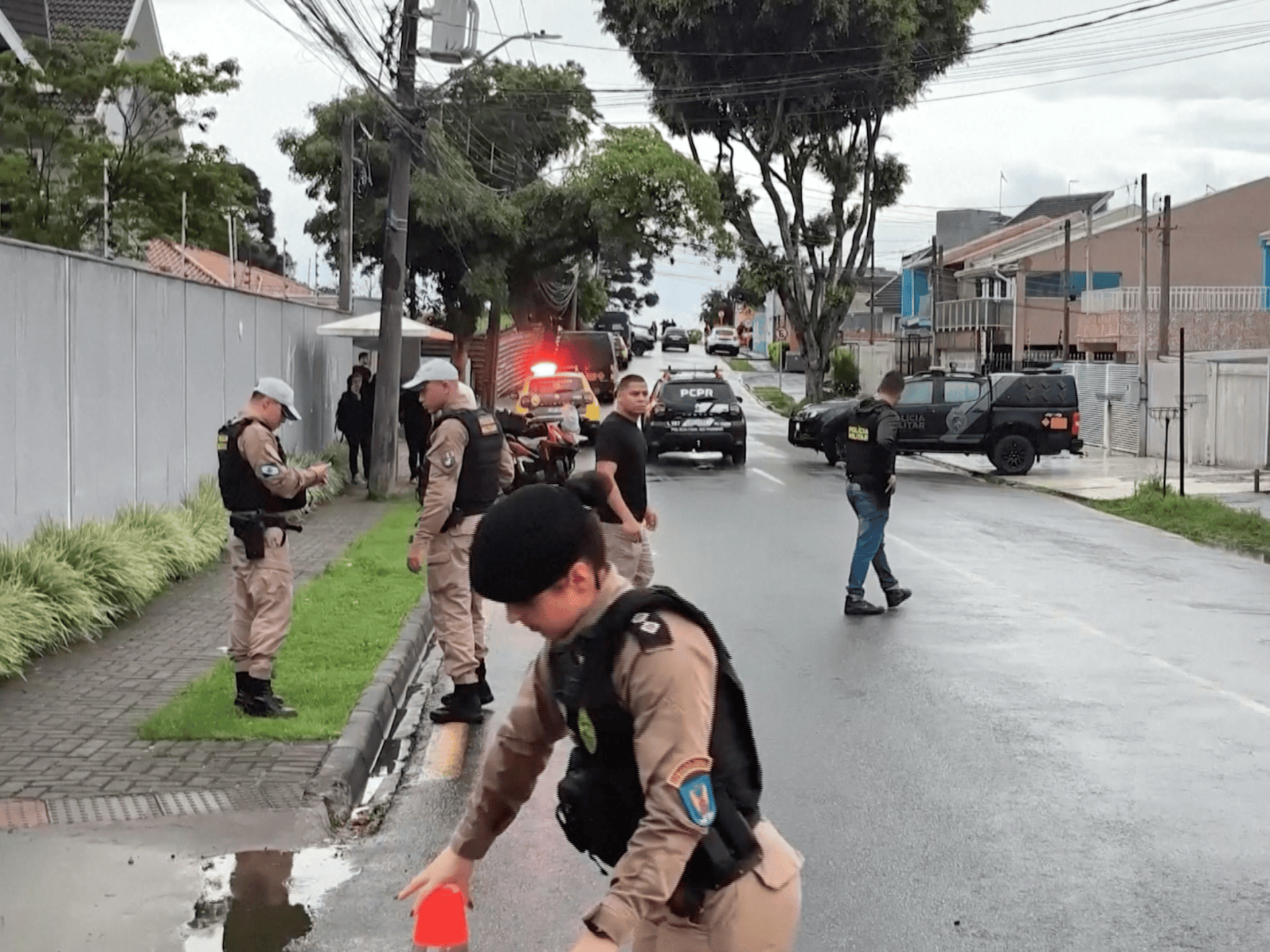
In a harrowing security incident that has reverberated across Latin America, a volatile hostage situation unfolded at a local kindergarten in Brazil, resulting in the death of the suspect following a high-stakes standoff with law enforcement. According to preliminary reports from regional authorities, an unidentified male assailant breached the educational facility, trapping thirteen young children in a confined room. Armed with a container of flammable liquid and a lighter, the perpetrator threatened mass casualties, prompting an immediate mobilization of specialized tactical units and crisis negotiators.
Despite hours of intense negotiations led by local police forces, the situation deteriorated as the assailant demonstrated an increasing unwillingness to surrender, prompting tactical intervention. While security forces successfully neutralized the threat and prevented the immediate execution of the arson threat, the incident has laid bare deep-seated vulnerabilities in public infrastructure security. State actors and municipal officials are now facing intense scrutiny regarding the adequacy of perimeter defenses and emergency preparedness protocols at educational institutions across the country, which have increasingly become soft targets for isolated acts of extremist violence.
Global Trade & Economic Ripples
While the tragic event is primarily a domestic security and humanitarian crisis rather than a macroeconomic shock, incidents of severe domestic instability in major emerging markets inevitably register on the radar of international financial analysts. Brazil remains a critical linchpin in global agricultural supply chains, mineral exports, and foreign direct investment within South America. Consequently, any perceived erosion of domestic stability or social cohesion can temporarily influence investor sentiment, sovereign risk premiums, and currency valuations.
In the immediate aftermath of the crisis, financial markets monitored the situation for potential social unrest or prolonged protests that could disrupt urban commerce or logistics networks. Although commercial shipping lanes, energy markets, and international commodity pricing remained largely unaffected, foreign institutional investors frequently re-evaluate risk profiles when high-profile violent episodes expose gaps in law enforcement capabilities. The incident reinforces the imperative for robust internal security as a foundational prerequisite for sustained foreign capital inflows and stable domestic commercial operations.
Related Intelligence: Hurricane Isaias Batters US Gulf Coast, Disrupting Energy and Supply Chains
International Reactions & Diplomatic Stances
News of the kindergarten hostage crisis drew swift expressions of shock and solidarity from international observers, multilateral organizations, and regional governments. While the United Nations and various diplomatic missions primarily issued humanitarian statements condemning violence against children, international security analysts focused heavily on the broader implications for urban policing and counter-terrorism measures in developing nations.
Human rights organizations and child protection advocates have used the platform of this tragedy to call for a comprehensive global review of security standards in schools. Furthermore, regional trade partners and international allies have offered technical and intelligence-sharing assistance to bolster Brazilian law enforcement agencies in their efforts to combat localized threats, domestic radicalization, and erratic criminal behavior that jeopardizes public safety.
Strategic Outlook & Future Scenarios
Looking ahead, the Brazilian government faces a critical domestic policy crossroads. The tragedy is expected to catalyze legislative debates concerning harsher penalties for crimes against minors, increased budgetary allocations for municipal law enforcement, and mandatory security upgrades for public and private educational facilities nationwide.
As the administration of President Luiz Inacio Lula da Silva navigates these complex legislative and social demands, upcoming policy summits focusing on public security and social welfare will likely prioritize institutional hardening. For international stakeholders and commercial enterprises operating within the region, monitoring the implementation of these security reforms will be essential to gauge long-term socio-political stability and risk mitigation across Latin America's premier market.
Join Our Official WhatsApp Channel
Receive live commodity alerts, policy changes, and commercial intelligence directly on WhatsApp.