
Three Years of Conflict Casts Deep Shadow Over Israeli Society and Markets
Three years after the October 7 attacks, prolonged warfare has severely impacted Israeli domestic stability, doubling pediatric psychiatric emergencies and introducing sustained economic ripples across global commodity markets.
Geopolitical & Core Developments
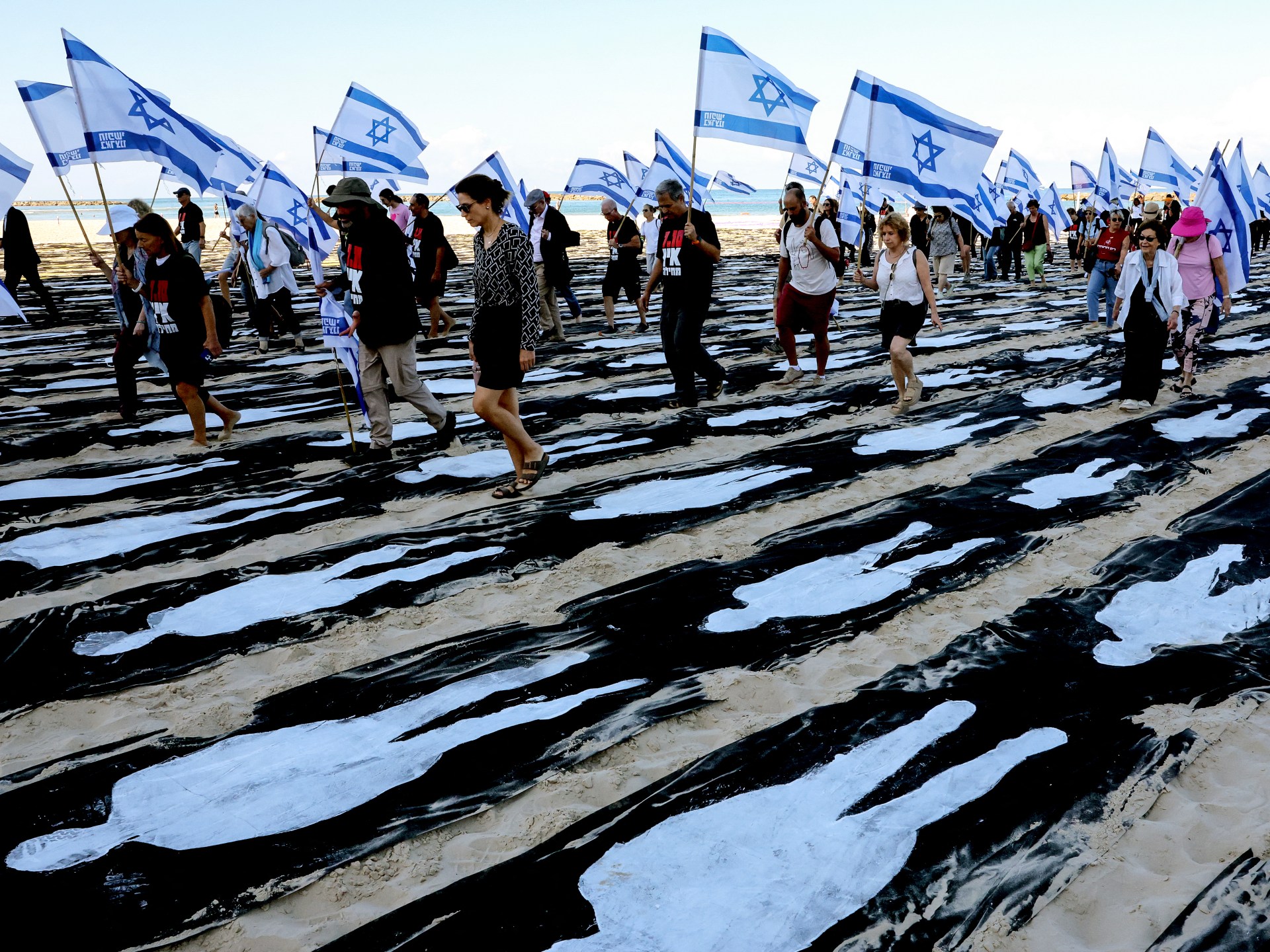
Three years after the watershed events of October 7, the prolonged regional conflict has fundamentally transformed the security architecture and social fabric of Israel. What began as a localized crisis has metastasized into a multi-front war of attrition, drawing in state and non-state actors across the Levant and Red Sea corridors. The protracted nature of hostilities has placed unprecedented demands on state institutions, military reserves, and civilian infrastructure.
Recent empirical data underscores the deep societal toll of this prolonged state of emergency. A landmark study reveals that children's psychiatric emergency visits across Israeli medical facilities have more than doubled since the outbreak of hostilities. This surge in acute pediatric mental health crises reflects the pervasive atmosphere of chronic insecurity, repeated displacement, and sustained psychological trauma experienced by generations growing up under the constant threat of rocket fire and regional escalation. State health authorities are scrambling to expand clinical capacities, yet systemic resource constraints threaten to leave long-term scars on the civilian population.
Global Trade & Economic Ripples
The domestic strain inside Israel mirrors broader disruptions across international trade networks and regional commerce. Sustained conflict in the Middle East continues to inject volatility into global energy markets, freight insurance rates, and maritime logistics. Shipping lines transiting the Red Sea and the Suez Canal face persistent security threats, forcing costly reroutes around the Cape of Good Hope that inflate transit times and drive up consumer prices globally.
Within Israel, the war economy has necessitated massive fiscal outlays, straining national budgets, increasing sovereign debt yields, and prompting credit rating downgrades. Key commercial sectors—including technology, agriculture, and tourism—grapple with severe labor shortages driven by extensive military reserve call-ups. Foreign direct investment has faced headwinds as international corporations reassess regional risk profiles, slowing long-term capital formation and altering corporate expansion strategies across the eastern Mediterranean.
Related Intelligence: PIA Suspends Riyadh Flights Amid Escalating Middle East Conflict
International Reactions & Diplomatic Stances
The international community remains sharply divided over the trajectory of the conflict and the humanitarian imperatives on the ground. United Nations bodies and humanitarian agencies have repeatedly warned of the catastrophic toll on civilians, calling for immediate, sustained ceasefires and unhindered access for humanitarian aid into besieged areas.
Multilateral financial institutions, including the International Monetary Fund and the World Bank, have adjusted macroeconomic forecasts for the region, highlighting the drag that protracted geopolitical instability exerts on global growth. Meanwhile, major trading partners and diplomatic intermediaries continue high-stakes negotiations to secure hostage releases and broker durable ceasefires, though deep-seated distrust between belligerents has repeatedly stymied diplomatic breakthroughs. Market analysts note that investor sentiment remains highly sensitive to diplomatic headlines, with any hint of de-escalation offering temporary relief to energy futures.
Strategic Outlook & Future Scenarios
Looking ahead, the trajectory of the conflict points toward a protracted strategic stalemate with high risks of secondary escalation. Upcoming diplomatic summits and international ministerial meetings will test the efficacy of renewed multilateral pressure aimed at establishing a credible pathway toward postwar governance and regional stabilization.
For global commodity markets and international businesses, the primary takeaway is the normalization of elevated geopolitical risk. Supply chain resilience, asset diversification, and enhanced security protocols for maritime and regional operations will remain paramount. As the war enters its fourth year, the dual challenge of healing a traumatized civilian population while stabilizing a beleaguered domestic economy will define Israel's national trajectory for decades to come, with far-reaching consequences for global trade and international diplomacy.
Join Our Official WhatsApp Channel
Receive live commodity alerts, policy changes, and commercial intelligence directly on WhatsApp.