
Thai Queen Suthida Undertakes Historic First Solo Fighter Jet Flight
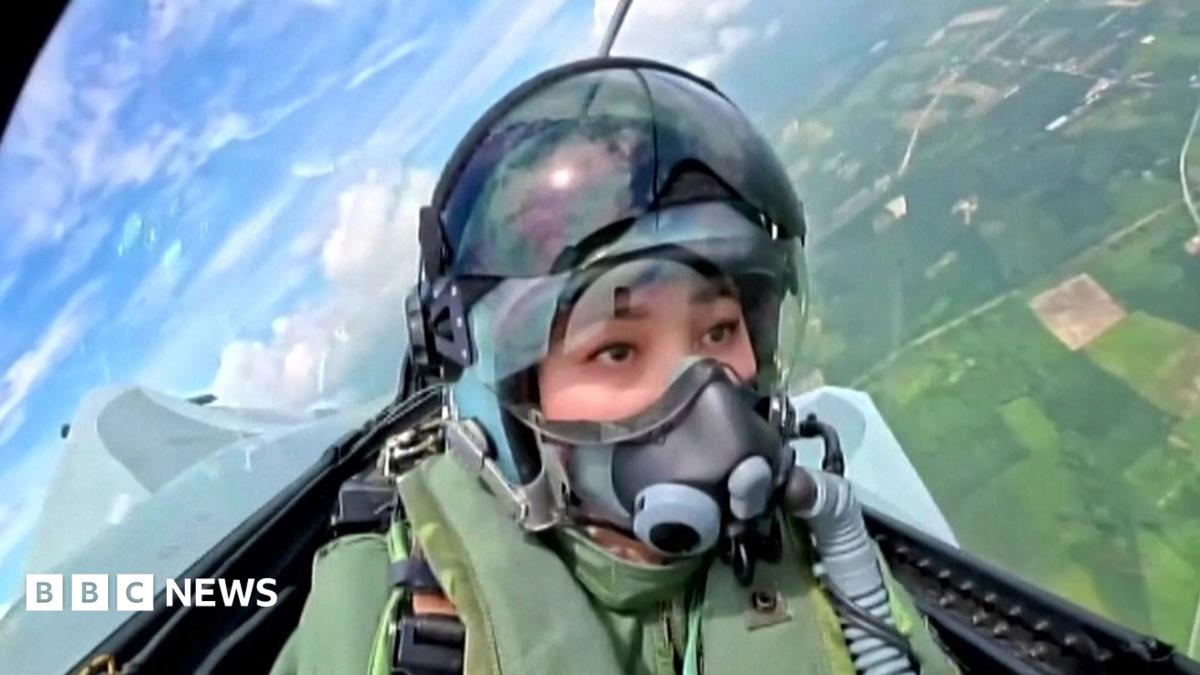
Thai Queen Suthida has completed her first solo flight in a fighter jet, marking a significant symbolic moment for the royal household and national defense.
Geopolitical & Core Developments
In a development that has captured the attention of regional security analysts and international observers alike, Thailand's Queen Suthida has executed her first solo flight in a military fighter jet. Announced officially by the Thai Royal Household, the milestone highlights an unprecedented level of active military engagement by a senior royal figure. Queen Suthida, who holds senior ranks within the Royal Thai Armed Forces and has undergone extensive professional military and aviation training over the years, took to the skies in a maneuver designed to showcase operational proficiency and dedication to national defense capabilities.
The event occurs against a backdrop of evolving geopolitical dynamics in Southeast Asia, where regional stability, territorial defense, and modernization of military hardware remain paramount for the Association of Southeast Asian Nations (ASEAN) member states. By personally engaging in high-performance military aviation, the Thai monarchy reinforces its traditional role as a unifying pillar of the state while signaling strong institutional support for the armed forces. State media and royal communications have framed the flight as a testament to rigorous preparation, discipline, and technical mastery, resonating deeply within domestic political circles.
Global Trade & Economic Ripples
While the royal flight is primarily an internal institutional and military milestone, events involving high-ranking state figures in major Southeast Asian economies invariably draw the scrutiny of international markets. Thailand remains a critical manufacturing hub, a major node in global supply chains for automotive and electronics sectors, and a vital consumer market within the Mekong subregion. Security and stability are prerequisites for sustained foreign direct investment (FDI) and robust international trade.
Market analysts note that clear continuity in domestic governance and public order underpins investor confidence across ASEAN economies. As global commodity traders, shipping lines, and multinational corporations evaluate risk profiles in the Indo-Pacific, demonstrations of institutional stability and state cohesion help mitigate perceived political risk. The smooth functioning of state apparatuses ensures that critical trade corridors, maritime shipping lanes in the Gulf of Thailand, and key infrastructure projects remain unhindered by domestic volatility, thereby safeguarding bilateral trade flows with major economic partners including China, Japan, and the United States.
Related Intelligence: Gaza Ceasefire Collapses as Humanitarian Crisis Deepens Global Market Anxieties
International Reactions & Diplomatic Stances
International response to the announcement has been characterized by diplomatic recognition of the Thai monarchy's enduring influence and the nation's ongoing military modernization programs. Foreign embassies and defense attachés in Bangkok have monitored the event as an indicator of civil-military relations within the kingdom. Multilateral bodies and regional security partners continue to engage with Thailand as a linchpin of stability in continental Southeast Asia, acknowledging the country's strategic partnerships and active participation in joint defense exercises.
Defense analysts and geopolitical commentators point out that the integration of modern military technology by high-profile figures reflects broader regional trends in defense readiness. As Indo-Pacific nations ramp up procurement of advanced aerospace and maritime defense systems, symbolic and practical demonstrations of military capability serve as subtle signaling mechanisms within regional security architectures. International observers maintain that such developments do not alter immediate diplomatic alignments but rather reinforce the domestic legitimacy and institutional resilience of the Thai state.
Strategic Outlook & Future Scenarios
Looking ahead, the strategic trajectory for Thailand involves balancing ongoing domestic political evolutions with its vital international commitments. Upcoming regional summits, including ASEAN defense ministerial meetings and bilateral dialogues with Indo-Pacific partners, will continue to focus on maritime security, economic integration, and supply chain resilience. The heightened visibility of the royal family in defense-related contexts is expected to remain a consistent theme in national unity efforts.
For international commerce and geopolitical strategists, the key takeaway is the reaffirmation of state stability within a strategically vital corridor. As global markets navigate macroeconomic uncertainties, energy transitions, and shifting trade patterns, predictable domestic environments in core ASEAN economies remain essential. The Thai monarchy's active engagement with the armed forces underscores a commitment to preparedness, ensuring that the nation remains a steadfast anchor for regional trade, diplomacy, and security in the years ahead.
Join Our Official WhatsApp Channel
Receive live commodity alerts, policy changes, and commercial intelligence directly on WhatsApp.